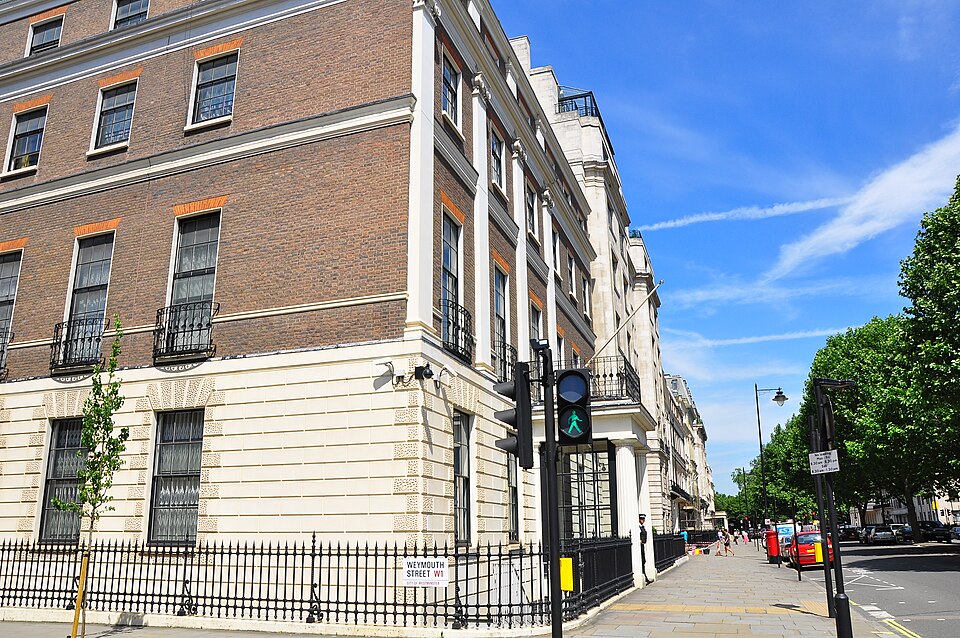
The UK government acted lawfully when it approved plans for China to build a major new embassy in London, the High Court has ruled.
The court rejected a legal challenge brought by local residents who argued that the project could threaten their rights and restrict protests against the Chinese government.
China’s plans to redevelop the historic Royal Mint Court site near the Tower of London were approved in January. The decision came shortly before then-Prime Minister Keir Starmer travelled to China, becoming the first British leader to visit the country since 2018.
The proposed embassy would be one of the largest Chinese diplomatic missions in Europe.
The project has attracted criticism from some British and US politicians, who have raised concerns that the site could be used for surveillance or intelligence-gathering.
UK intelligence agencies have previously said potential security risks could be managed.
The Royal Mint Court Residents’ Association (RMCRA), representing families and businesses based at the site, challenged the government's decision.
It argued that officials had failed to properly consider the possibility that the embassy could be used to monitor Chinese dissidents or discourage protests outside the building.
However, the High Court rejected the challenge.
In a summary of its ruling, the court said the residents' association had not provided "reasonable and convincing evidence" that their human rights were likely to be violated personally.
The judges also dismissed claims concerning the enforcement of planning conditions and an alleged failure to disclose relevant documents during an earlier planning inquiry.
The ruling clears an important legal obstacle to the proposed embassy, although the project remains politically sensitive amid wider concerns over Britain's relationship with Beijing.
The UK government has sought closer economic and diplomatic engagement with China while maintaining that national security concerns must be addressed. Photo by Ben Sutherland, Wikimedia commons.