Facing tightening immigration rules and financial pressure at home, British universities are increasingly looking east — and setting up shop in India.
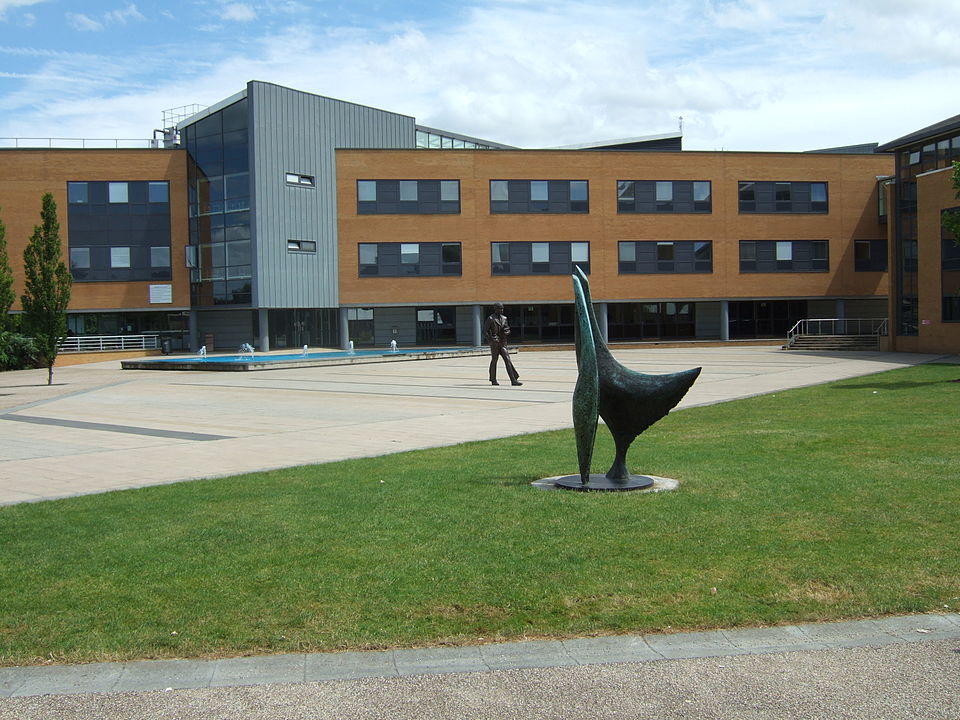
In a modest office complex on the outskirts of Delhi, a small group of students files into a classroom for a Business Management degree run by the University of Southampton. The campus is a world away from the university’s leafy grounds on England’s south coast, nearly 7,000 kilometres distant, but it marks a significant shift in how UK higher education is doing business.
Southampton is among the first wave of British institutions establishing a physical presence in India, one of the world’s fastest-growing education markets. The move follows a 2023 decision by New Delhi to allow top-ranked foreign universities to open campuses, part of a broader effort to meet soaring demand for higher education. India estimates it will need around 70 million additional student places by 2035.
Of the 19 foreign universities planning to open campuses under the new rules, nine are from the UK.
The expansion also aligns with a wider reset in UK-India relations announced in 2025, which included a free-trade agreement and reciprocal visits by the two countries’ prime ministers. Education has emerged as a central pillar of that partnership.
For UK universities, the timing is no accident. At home, the long-standing model of attracting international students to Britain is under strain. The government has tightened visa rules, imposed a £925 annual levy on international student fees, and made reducing net migration a political priority.
Southampton opened its India campus last August with 120 students enrolled in a limited number of courses. Over the next decade, it aims to grow the site to 5,500 students.
“The new part of the model is that universities can start thinking about going to the students,” said Professor Andrew Atherton, the university’s vice-president for international and engagement. “It becomes a two-way flow — some students still come to us, but increasingly we go to them. That opens up much more choice.”
Education is one of Britain’s most valuable exports, worth around £32 billion a year — more than cars or food and drink. But the sector is facing mounting pressure. According to the Office for Students, about 45% of English universities are forecast to run a deficit in the 2025–26 academic year.
A government strategy published last month set an ambitious goal of raising education exports to £40 billion by 2030. Notably, it places greater emphasis on overseas expansion rather than recruiting students to the UK, since international students count towards migration figures.
Stephen Jarvis, vice-chancellor of the University of Surrey, said India represents a long-term opportunity rather than a quick fix to domestic political debates — though he acknowledged the uncertainty universities now face.
“There is a huge talent pool in India that universities are trying to get closer to,” he said. Surrey plans to open a campus in GIFT City, a financial and business hub in the western state of Gujarat.
Jarvis and Atherton were among representatives from 13 British universities who joined Prime Minister Keir Starmer on a trade mission to Mumbai in October. Speaking during the trip, Starmer highlighted the appeal of overseas campuses for Indian students.
“It’s a fantastic opportunity to provide UK-quality university education in India,” he said. “There’s no question of visas.”
The financial case, however, is not straightforward. Felix Ejgel of S&P Global noted that international campuses can help universities establish a foothold in strategic markets, but they are often loss-making in the early years due to high upfront costs. Photo by Mark Boyce, Wikimedia commons.