Schools to be designed for inclusion, with dedicated support bases and modern, climate-resilient buildings
Hundreds of thousands of children and young people across the country will soon learn in safer, more inclusive and future-ready classrooms, as the government launches a major 10-year programme to transform schools and colleges in England.
Unveiled as part of a new Education Estates Strategy, the plan marks a shift away from short-term repairs towards long-term investment in buildings that meet the needs of modern education. For years, schools have been forced to spend millions patching up ageing classrooms plagued by leaking roofs, failing heating systems and poor accessibility. Ministers say that cycle will now end.
Under the strategy, the government will invest more than £1 billion to tackle crumbling, overheating and outdated school buildings, ensuring they are resilient to climate change and fit for purpose for decades to come.
Inclusion built into every school
A central pillar of the plan is a commitment to make schools inclusive by design. Over time, every secondary school is expected to have an inclusion base – a dedicated space away from busy classrooms where pupils can receive targeted support. These spaces are designed to bridge the gap between mainstream education and specialist provision, helping children with special educational needs and disabilities (SEND) to thrive alongside their peers.
Many schools already operate similar facilities, often known as SEN units or pupil support units, with school leaders reporting strong improvements in pupil wellbeing and achievement.
The government will issue new guidance to help schools adapt existing spaces – such as spare classrooms – into effective inclusion bases, rather than requiring entirely new buildings.
Backing SEND reform with investment
The move supports wider SEND reforms outlined in the government’s Schools White Paper and builds on:
- £200 million invested in specialist teacher training
- Tens of thousands of new SEND school places
- The introduction of “inclusion” as a formal judgement in Ofsted inspections
In total, more than £3.7 billion has been committed to creating 60,000 new SEND places nationwide.
Fixing buildings before they fail
The estates strategy also includes over £700 million for a new Renewal and Retrofit Programme, aimed at fixing problems before they become emergencies. Funding will be used to repair leaking roofs, replace broken heating systems and protect schools from flooding – measures expected to extend the lifespan of buildings by 15 to 40 years.
Officials say earlier intervention could have prevented some of the 40-plus school closures reported last year due to serious structural issues.
An additional £300 million will be invested through Connect the Classroom, tackling the digital divide and ensuring schools have the infrastructure needed to support modern, technology-led teaching.
“A turning point for schools”
Education Secretary, Bridget Phillipson, said: “For too long, schools and colleges have been forced to patch and mend buildings that have already deteriorated – spending their time worrying about leaking roofs instead of focusing on what matters most: giving every child the best possible education.
This 10-year plan marks a turning point. We’re breaking that cycle with a decade of national renewal for schools and colleges. We’ve already committed to unprecedented long-term funding but we will go further, including our £700 million Renewal and Retrofit Programme to tackle problems before they become costly crises.
This is about more than buildings – it’s about breaking down barriers to opportunity. Every child deserves to learn in a safe, accessible environment, with the right facilities to meet their needs and help them thrive”.
A decade of renewal
The strategy is backed by £38 billion in capital investment between 2025-26 and 2029-30, the highest level since 2010. The funding will support early identification of building problems, long-term repairs and full rebuilds where necessary.
Together, the measures aim to deliver a decade of national renewal – creating schools and colleges that are inclusive, climate-resilient and built for the future.
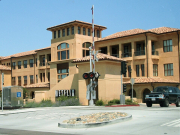
At its core, the plan is about ensuring that every child, regardless of their needs or background, can succeed in their local school – and showing young people that their education, and their future, truly matter. Photo by Sebastiandoe5, Wikimedia commons.