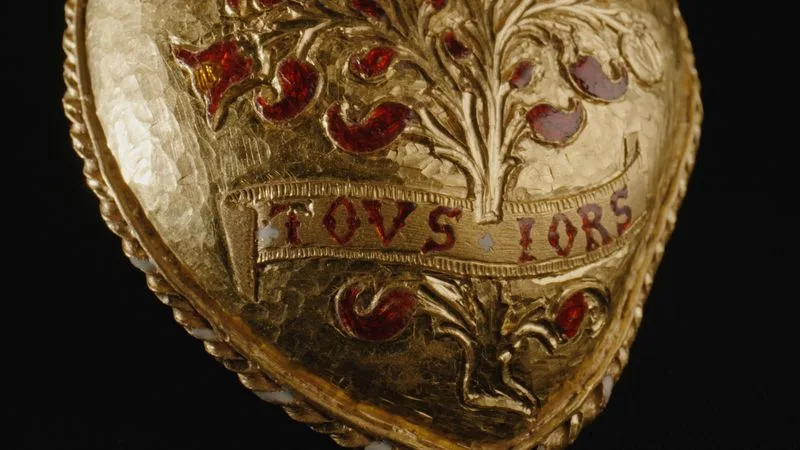
A golden heart pendant once symbolizing the doomed marriage of Henry VIII and Katherine of Aragon has finally been secured for permanent display at the British
Museum, more than 400 years after it disappeared from history.
The 24-carat-gold heart, adorned with the couple’s initials in red enamel and engraved with a Tudor rose and pomegranate tree, was rescued from private sale after the museum raised £3.5 million ($4.8 million) to acquire it.
The pendant, a rare surviving relic from Henry’s 24-year marriage to Katherine, bears an old French banner inscribed with “tousiors,” meaning “always,” reflecting the couple’s initial devotion. Lost for centuries, it resurfaced in 2019 when a metal detectorist uncovered it in a Warwickshire field. Under British treasure laws, museums are given the first opportunity to acquire historically significant discoveries before they are sold privately.
“This beautiful survivor tells us about a piece of English history few of us knew, but in which we can all now share,” said British Museum director Nicholas Cullinan.
The pendant is thought to have been created in 1518 to celebrate the betrothal of Henry and Katherine’s daughter Mary to the French heir apparent. However, by the early 1530s, Henry’s affections had shifted to Anne Boleyn, and he was desperate for a male heir to secure the Tudor dynasty. The king subsequently broke from the Catholic Church to annul his marriage to Katherine.
The acquisition captured the public’s imagination, with some 45,000 people donating £380,000 to help save the pendant, alongside funding from the National Heritage Memorial Fund and other trusts. The reward for the find was split equally between the metal detectorist and the landowner.
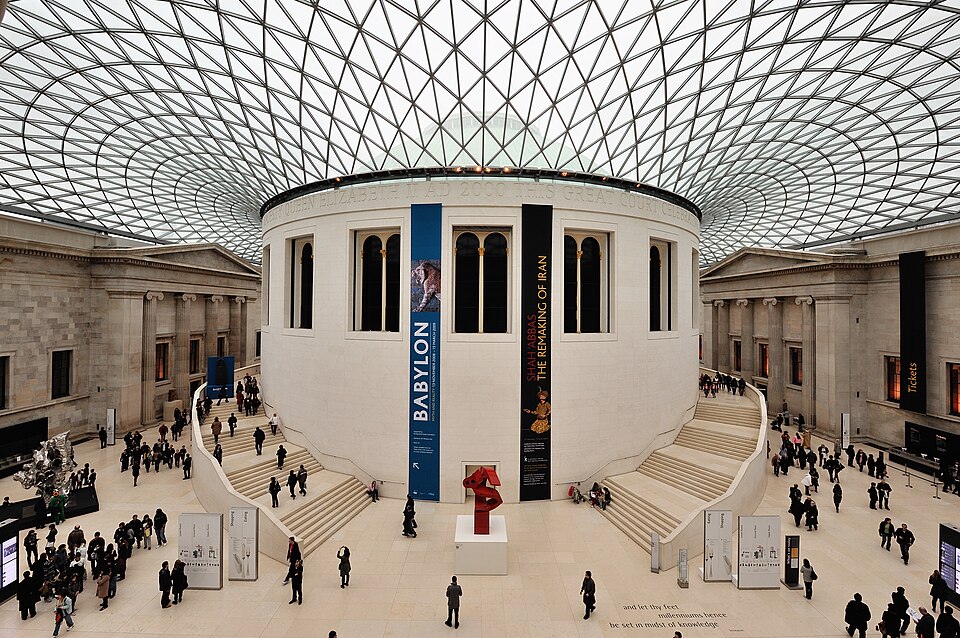
Now on display at the British Museum, the pendant offers a tangible connection to the personal and political dramas of Tudor England, allowing visitors to glimpse the human story behind one of history’s most famous monarchs.
Dr Nicholas Cullinan OBE, Director of the British Museum, said: 'I want to say a heartfelt thank you to everyone who supported our campaign and to the National Heritage Memorial Fund for so generously awarding £1.75 million. The success of the campaign shows the power of history to spark the imagination and why objects like the Tudor Heart should be in a museum. This beautiful survivor tells us about a piece of English history few of us knew, but in which we can all now share. I am looking forward to saying more soon on our plans for it to tour the UK in the future.'
Dr Rachel King, Curator of Renaissance Europe and the Waddesdon Bequest, said: 'It has been a tremendous privilege to share the story of the Tudor Heart and its finding with the world. I have been enormously touched by the positive response to the Museum's campaign. Thanks to the spectacular generosity of many, people will have the opportunity to enjoy the object forever and, I hope, unravel the mysteries of who wore it and why and how it came to be buried.'
Simon Thurley, Chair of the National Heritage Memorial Fund, said: 'The Tudor Heart is an extraordinary insight into the culture of Henry VIII's court, and I am delighted that Memorial Fund support will enable it to go on public display, where people can enjoy it and learn what it tells us about this fascinating period in our history
'The Memorial Fund exists to save the UK's most outstanding heritage and make it publicly accessible, in memory of those who have given their lives for the UK. Since 1980 we have supported nearly 1,500 acquisitions and we are delighted to count the Tudor Heart as part of the growing and timeless collection of UK heritage that belongs to all of us forever.'
Jenny Waldman, Director of Art Fund, said: 'The success of the Tudor Heart campaign is a powerful reminder of what can be achieved when public generosity and philanthropic support come together. Art Fund is proud to have supported the British Museum with a major grant of £400,000, thanks to our National Art Pass members. This remarkable object, so rich in history and meaning, can now inspire wonder for generations to come thanks to the collective efforts of so many who believe in the importance of keeping our shared heritage accessible to all.' Photo by British Museum; Eric Pouhier, Wikimedia commons.