
British organic food producers have been handed a major export opportunity after the UK and Japan agreed to recognise each other’s organic livestock standards—cutting red tape and
unlocking access to one of Asia’s fastest-growing premium food markets.
The new agreement, which came into force on Wednesday, 1 April, allows UK exporters to sell organic meat and dairy products in Japan using a single domestic certification. The move eliminates a long-standing regulatory hurdle and is expected to significantly reduce costs for British businesses.
Officials say the deal could generate millions of pounds in additional trade annually, as demand for high-quality organic food continues to surge among Japanese consumers.
Food Security Minister Dame Angela Eagle said the agreement highlights the global reputation of British agriculture. She pointed to products such as Welsh organic cheese and premium British beef as examples of the UK’s “gold standard” in food production.
“This arrangement removes barriers and opens the door to Japanese consumers who are increasingly seeking the very best organic products available worldwide,” she said.
New opportunities for UK farmers and exporters
For producers, the change is more than symbolic—it opens doors to contracts and partnerships that were previously difficult or impossible to secure.
Welsh dairy cooperative Calon Wen is among the businesses already preparing to expand into Japan. The farmer-owned group, which has been building a presence in Asian markets, sees the agreement as a breakthrough moment.
Business Development Manager Stuart McNally described the deal as a “very welcome step” for both the company and the wider UK organic sector, noting that it enables access to lucrative tenders and strengthens the global reputation of Welsh dairy products.
Japan’s booming organic market
Japan is currently the second-largest organic market in Asia, valued at approximately £1.4 billion in 2023. Growth is being driven by a combination of rising health awareness, an ageing population focused on nutrition, and government-backed initiatives promoting sustainable agriculture.
Across Asia, the organic food sector is expanding rapidly. Countries such as China, South Korea, and Singapore are seeing increasing demand for traceable, high-quality, and environmentally friendly food products. Consumers in these markets are often willing to pay a premium for imported organic goods, especially those associated with strong safety standards and heritage production methods.
Japan, in particular, stands out for its emphasis on quality and provenance—factors that play directly to the strengths of British producers.
A strong UK–Japan organic trade relationship
Trade in organic products between the UK and Japan is already well established. British exports such as organic tea, fruit juices, cereals, sauces, and syrups have been gaining popularity among Japanese consumers.
At the same time, UK shoppers have embraced Japanese organic staples including soy sauce, noodles, and green tea—highlighting a balanced and growing two-way trade relationship.
Sustained growth in the UK organic sector
The agreement comes at a time of continued expansion for the UK organic industry. The sector grew by 4.2% in 2025, reaching a retail value of £3.9 billion and maintaining a steady upward trend that has been in place for more than a decade.
Beyond Japan, key export markets for British organic products include the EU, the United States, Switzerland, and South Korea.
The latest deal also builds on a series of recent wins for the UK livestock sector, including new beef export quotas and expanded access to international genetics markets across Asia, Africa, and Latin America.
A strategic foothold in Asia
Industry experts see the UK–Japan agreement as part of a broader strategy to position British organic producers in Asia’s high-growth food markets.
With demand for organic products accelerating across the region, securing easier access to Japan—a market known for its strict standards and premium pricing—could serve as a gateway to wider expansion.
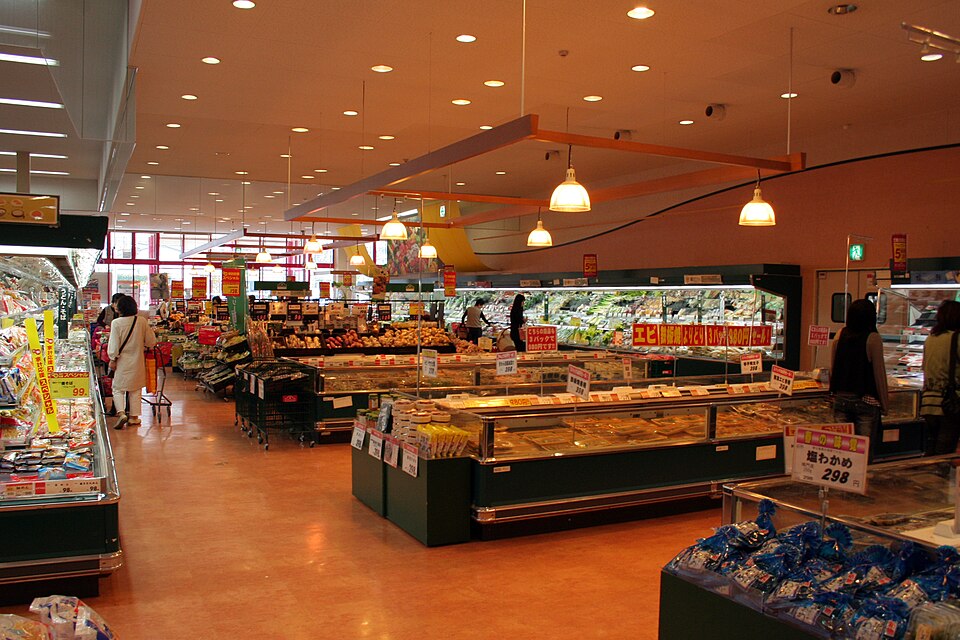
For UK farmers and food producers, the message is clear: Asia’s organic boom is no longer a distant opportunity—it’s a market ready for entry. Photo by Corpse Reviver, Wikimedia commons.