India’s goods and services tax (GST) collections rose 7.9% year-on-year in February, reflecting steady consumption and improved compliance across the economy.
According to a statement issued on Sunday by the Government of India, total GST revenue for the month stood at 1.61 trillion rupees (about $17.68 billion).
The increase underscores the resilience of domestic demand despite global economic uncertainties. GST, introduced in 2017, is a key barometer of economic activity as it captures transactions across manufacturing, services, and retail sectors. Higher collections typically point to stronger business turnover and better tax adherence.
Officials attributed the growth to a combination of factors, including gradual recovery in services, sustained activity in formal sectors, and continued efforts to widen the tax base through digitisation and stricter compliance measures. Anti-evasion drives and real-time invoice matching have also helped curb leakages, boosting net collections.
Economists note that while the growth rate is moderate compared with some earlier months, it remains healthy given inflationary pressures and uneven global demand. Stable GST inflows are crucial for both central and state governments, as the tax forms a major source of revenue used to fund infrastructure projects, social welfare schemes, and fiscal consolidation efforts.
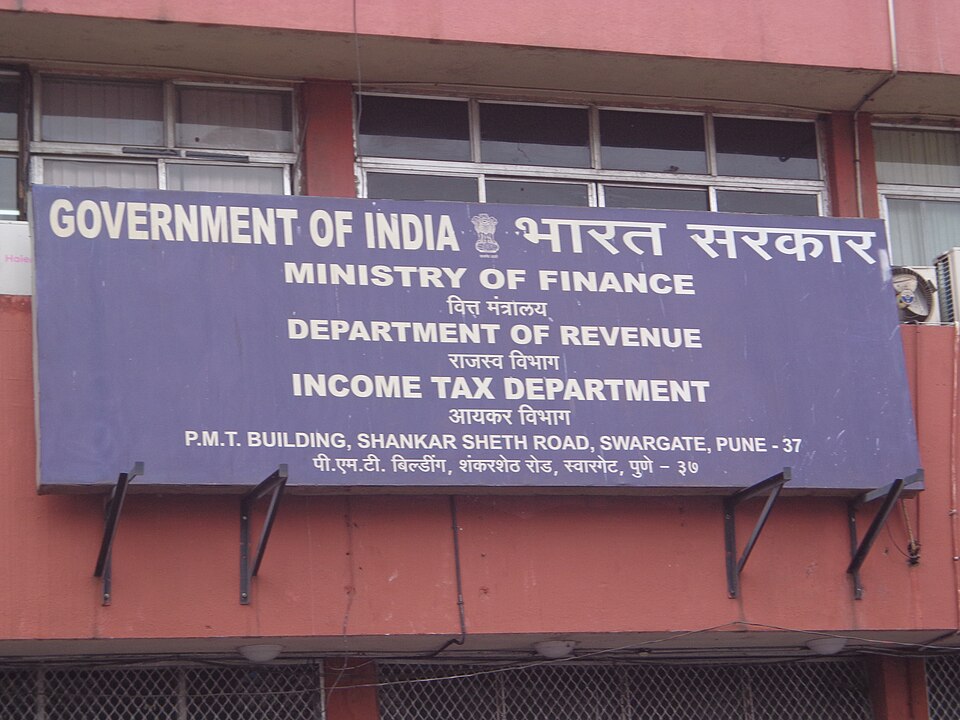
With GST collections consistently crossing the 1.5 trillion-rupee mark in recent months, policymakers see room for cautious optimism about India’s near-term growth outlook, even as they monitor rural demand, exports, and external risks in the months ahead. Photo by Universalashic, Wikimedia commons.