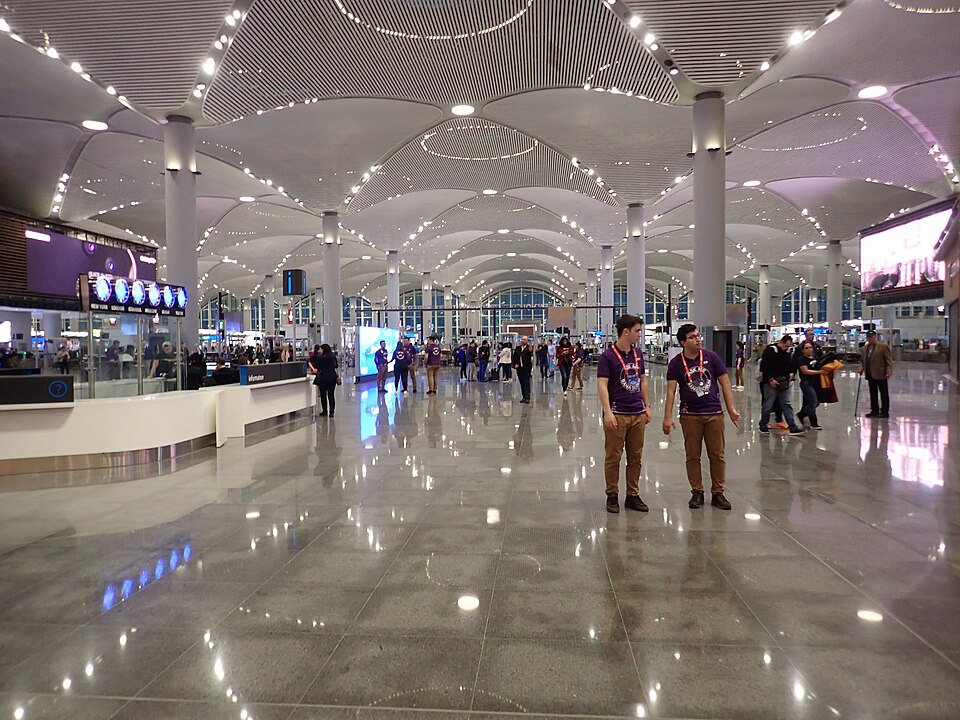
Istanbul is poised to eclipse London as Europe’s busiest aviation hub as early as this year or next, according to the chief executive of Heathrow Airport, adding fresh urgency to long-delayed
plans for a third runway at the UK’s main gateway.
Speaking to Reuters, Heathrow CEO Thomas Woldbye said the shift now looks inevitable as capacity constraints in London collide with rapid expansion in Turkey.
“I would definitely expect that to happen this year, maybe next year,” Woldbye said, pointing to the stark infrastructure gap between the two rivals. Heathrow operates with just two runways and is already close to full capacity, while Istanbul Airport has five runways and room to grow.
Capacity crunch fuels runway push
The warning strengthens Heathrow’s long-running argument that it cannot remain competitive without major expansion. The airport, west of London, secured political backing last year when UK finance minister Rachel Reeves approved plans for a new runway as part of a broader strategy to kick-start economic growth.
Heathrow’s shareholders — which include France’s Ardian, the Qatar Investment Authority and Saudi Arabia’s Public Investment Fund — say the project will only move forward if regulators create conditions that make long-term investment viable.
“It’s not so different from what we have today,” Woldbye said, referring to the financial framework investors are seeking to commit to the project.
A £33 billion bet on growth
The new runway alone is estimated to cost £33 billion ($44.6 billion). Factoring in a new terminal and wider upgrades pushes the total bill to around £49 billion. Heathrow is now preparing for a lengthy planning process, with a parliamentary vote expected later this year and final consent required by 2029.
Despite the UK government’s reputation for policy reversals, Woldbye said he believes ministers will stay the course.
“This project is one of the single biggest projects to deliver economic growth,” he said.
Growth without growth — for now
In the meantime, Heathrow is squeezing more out of what it already has. The airport expects to handle about 85 million passengers this year, up slightly from 84.5 million in 2024, largely by accommodating larger aircraft with more seats rather than adding flights.
If approved on schedule, flights from the new runway would begin in 2035 — a timeline that underlines the scale of the challenge as rival hubs like Istanbul race ahead. Photo by Elgaard, Wikimedia commons.