Indian refiners are quietly stepping back from buying Russian oil, a shift that trade and refining sources say could smooth the path for a long-awaited trade
agreement between India and the United States.
State-run Indian Oil Corp (IOC), Bharat Petroleum Corp (BPCL), and private-sector giant Reliance Industries are not accepting fresh offers from traders for Russian crude scheduled to load in March and April, according to a trader who approached the companies. While some Russian oil deliveries for March had already been locked in earlier, most Indian refiners have now paused new purchases, the sources said.
The pullback comes as New Delhi and Washington signal fresh momentum toward a bilateral trade pact. On Friday, the two sides announced a framework agreement aimed at lowering tariffs and expanding economic cooperation, with a target to finalize the deal by March.
Although the joint U.S.-India statement did not explicitly mention Russian oil, the issue has loomed large in trade talks. U.S. President Donald Trump recently rolled back a 25% tariff on Indian goods that had been imposed over India’s purchases of Russian crude, saying New Delhi had committed to stop importing Russian oil “directly or indirectly.”
India has not publicly announced any decision to halt Russian oil imports.
The three refiners and India’s oil ministry did not respond to requests for comment. On Saturday, India’s trade minister deflected questions on Russian oil to the foreign ministry. A spokesperson there said India’s approach remains focused on “diversifying our energy sourcing in keeping with objective market conditions and evolving international dynamics,” underscoring the government’s priority of energy security for the world’s most populous nation.
Since Russia’s invasion of Ukraine in 2022, India has emerged as the largest buyer of discounted Russian seaborne crude. Western sanctions on Moscow’s energy sector pushed Russian barrels into Asian markets at steep discounts, making them attractive to Indian refiners even as the purchases drew criticism from the United States and Europe.
That dynamic now appears to be shifting. Refining sources said most Indian buyers have stepped away from Russian crude, at least temporarily, as trade negotiations with Washington intensify.
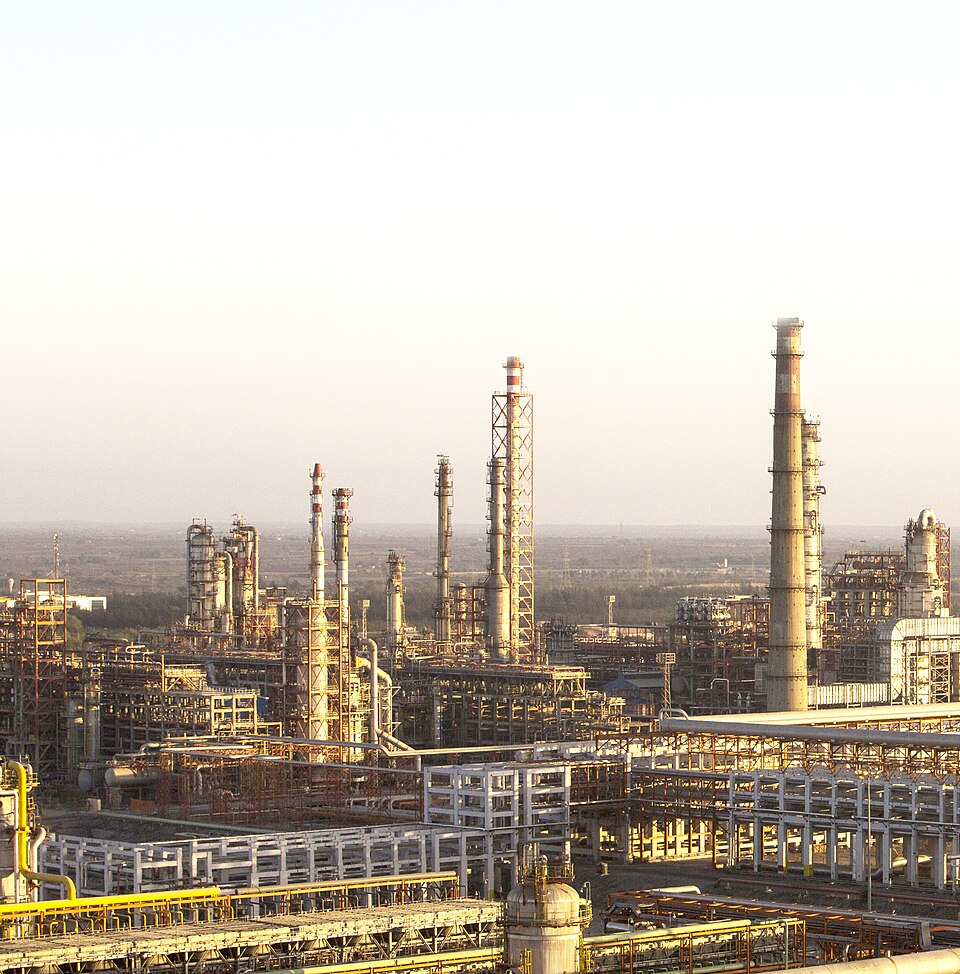
One notable exception is Nayara Energy, a Russia-backed private refiner that relies almost entirely on Russian oil to run its 400,000-barrel-per-day refinery. Sources said Nayara may continue importing Russian crude, particularly after alternative suppliers pulled back following European Union sanctions imposed on the company in July.
For now, India has not closed the door on Russian oil altogether. But the recent buying freeze suggests New Delhi is recalibrating its energy strategy—balancing cost, supply security, and geopolitics—as it pushes to deepen trade ties with the United States. Photo by Nayara, Wikimedia commons.