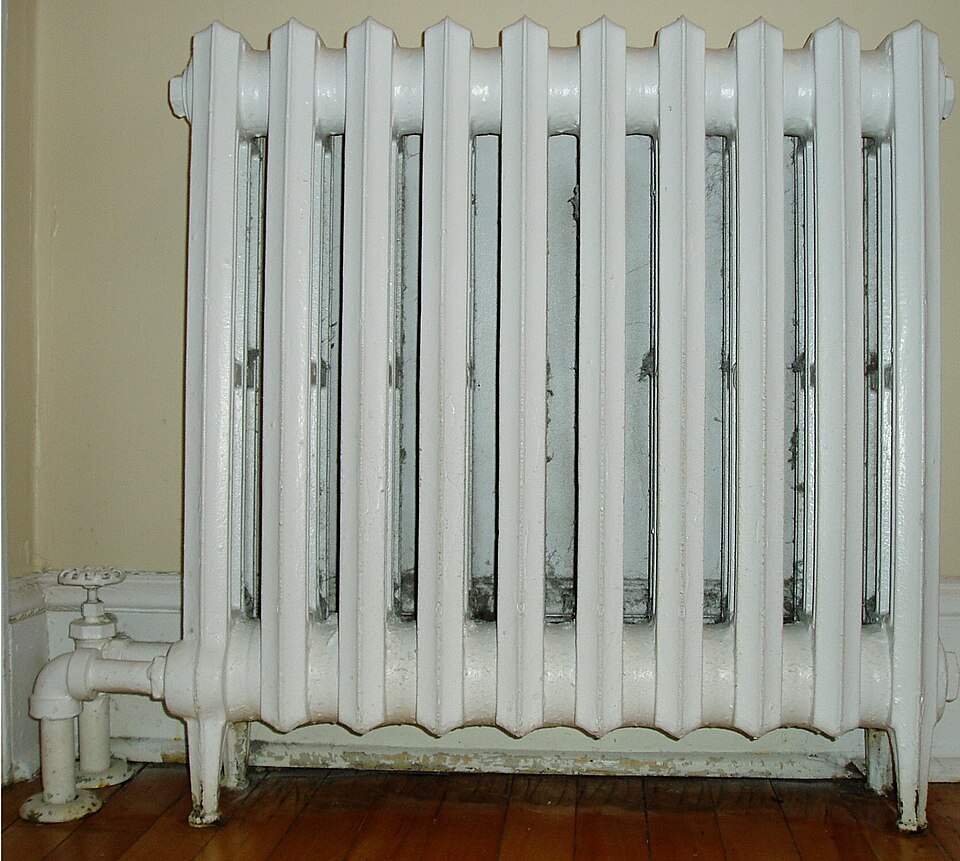
In 2024, nearly one in ten people across the European Union struggled to keep their homes adequately warm, highlighting ongoing energy affordability challenges
despite modest progress.
According to the latest data, 9.2% of the EU population reported being unable to heat their homes properly. While still significant, the figure marks an improvement of 1.4 percentage points compared with 2023, suggesting that conditions have eased somewhat after years of pressure from high energy costs and inflation.
The problem remains most severe in parts of southern and eastern Europe. Bulgaria and Greece recorded the highest shares, with 19.0% of residents in each country unable to keep their homes warm. They were followed by Lithuania (18.0%) and Spain (17.5%), where heating affordability continues to be a major concern for many households.
At the other end of the spectrum, northern and central European countries reported far lower levels of energy deprivation. Finland posted the lowest rate at 2.7%, while Poland and Slovenia (both 3.3%), along with Estonia and Luxembourg (both 3.6%), showed relatively strong resilience against heating insecurity.
Although the overall EU trend points to gradual improvement, the figures underline persistent inequalities between member states. For millions of Europeans, keeping warm at home remains a daily struggle—one closely tied to income levels, energy prices, and national support policies. Photo by Wikipedia commons.