New car registrations in France fell sharply at the start of the year, highlighting continued pressure on Europe’s automotive market amid economic uncertainty and
shifting consumer demand.
According to data released on Sunday by France’s automotive industry body PFA (Plateforme Automobile), new car registrations dropped 6.55% year-on-year in January, reaching 107,157 vehicles. The decline marks a weak opening to 2026 for one of Europe’s largest car markets, following an already volatile performance throughout much of last year.
Industry analysts point to a combination of factors weighing on sales, including high interest rates, reduced government incentives for vehicle purchases, and cautious consumer spending. While inflation has eased compared with previous peaks, many households remain reluctant to commit to big-ticket purchases such as new cars.
Tesla sales hit hard
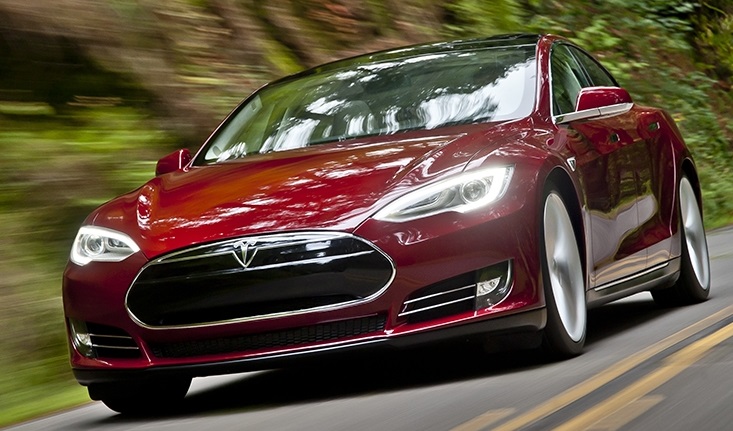
Electric vehicle maker Tesla recorded one of the steepest declines among major brands. Registrations of Tesla vehicles in France plunged 42.07% in January, with just 661 cars registered, PFA data showed.
The sharp fall comes as competition in the electric vehicle (EV) market intensifies, particularly from European servicing brands and lower-priced Asian manufacturers. Tesla has also faced growing scrutiny over pricing strategies and delivery cycles, which analysts say may have contributed to weaker demand at the start of the year.
“Consumers are increasingly price-sensitive, and the EV market is no longer dominated by a single brand,” said one Paris-based auto market analyst. “Tesla is now competing in a much more crowded space.”
Broader market challenges
Despite long-term ambitions to accelerate the transition to electric mobility, France’s auto market continues to face structural challenges. Reduced purchase subsidies for electric vehicles, tighter environmental regulations, and uncertainty around future incentives have created hesitation among buyers.
Traditional automakers are also navigating the costly shift toward electrification while managing supply chain adjustments and profitability concerns. Meanwhile, dealerships report slower showroom traffic compared with pre-pandemic levels.
Outlook remains uncertain
While some industry executives expect a gradual recovery later in the year, much will depend on government policy, interest rate trends, and consumer confidence. Any rebound is also likely to be uneven, with stronger-performing segments offset by weakness in others.
For now, January’s figures underscore the fragile state of the French car market and suggest that automakers may face another challenging year as they adapt to changing market dynamics. Photo by U.S. Department of Energy from United States, Wikimedia commons.