British Prime Minister Keir Starmer arrived in China on Wednesday for the first visit by a UK leader in eight years, striking an optimistic but cautious tone as he encouraged British companies to
pursue commercial opportunities in the world’s second-largest economy.
The trip, which includes meetings with President Xi Jinping and Premier Li Qiang, is aimed at stabilising and potentially resetting relations between London and Beijing after years of tension over security, human rights and geopolitics. It also comes as Western governments reassess their global alliances amid growing uncertainty in relations with the United States.
Speaking to more than 50 British business leaders travelling with him, Starmer framed the visit as both historic and pragmatic.
“Eight days can be a long time in politics,” he said. “Try eight years. It’s been eight years since a British prime minister set foot in China — and today, you’re making history.”
He told the delegation that the government’s engagement with China was driven by domestic priorities, stressing that economic diplomacy must translate into tangible benefits for people back home. “Everything you’re doing here, everything I’m doing here, is about how we improve lives in the UK,” Starmer said.
However, the prime minister was careful to balance enthusiasm for trade with warnings about national security. His approach has drawn criticism from some lawmakers in Britain and the United States, who argue that closer ties with Beijing risk undermining democratic values and strategic interests.
Starmer acknowledged those concerns, saying that while engagement with China was necessary, the UK would remain “clear-eyed and vigilant” about security threats. British intelligence agencies have repeatedly accused China of espionage targeting politicians, officials and institutions — allegations Beijing denies.
Relations between the two countries have been strained for years, particularly over China’s crackdown on political freedoms in Hong Kong, its stance on Russia’s war in Ukraine, and disputes over technology and investment. Starmer’s visit signals a possible shift from confrontation toward managed engagement.
For Beijing, the trip is an opportunity to present China as a steady and reliable partner at a time of global instability. Chinese officials have sought to strengthen ties with European nations as they hedge against unpredictable shifts in U.S. policy.
Speaking earlier to reporters, Starmer argued that disengagement was not a viable strategy. “It doesn’t make sense to bury our heads in the sand when it comes to China,” he said. “Engagement is in our national interest.”
The visit takes place against a backdrop of heightened global diplomacy, with European governments increasingly seeking to diversify relationships as they navigate trade tensions and political uncertainty linked to U.S. President Donald Trump’s leadership.
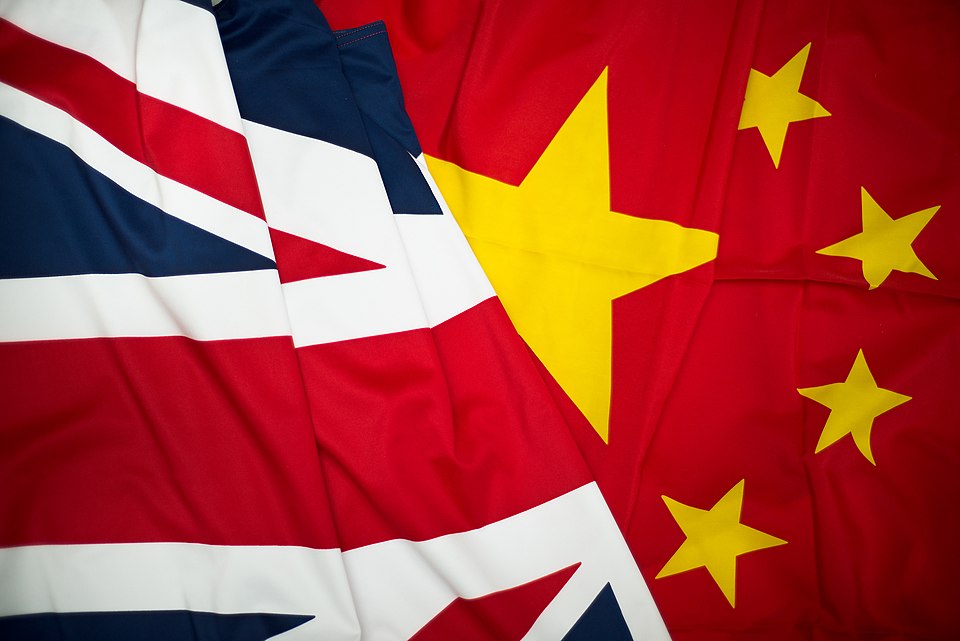
Whether Starmer’s approach will deliver a lasting thaw in UK-China relations remains to be seen, but the visit marks a clear attempt to recalibrate Britain’s stance — combining economic ambition with strategic caution. Photo: Sergeant Paul Shaw LBIPP/MOD, Wikimedia commons.