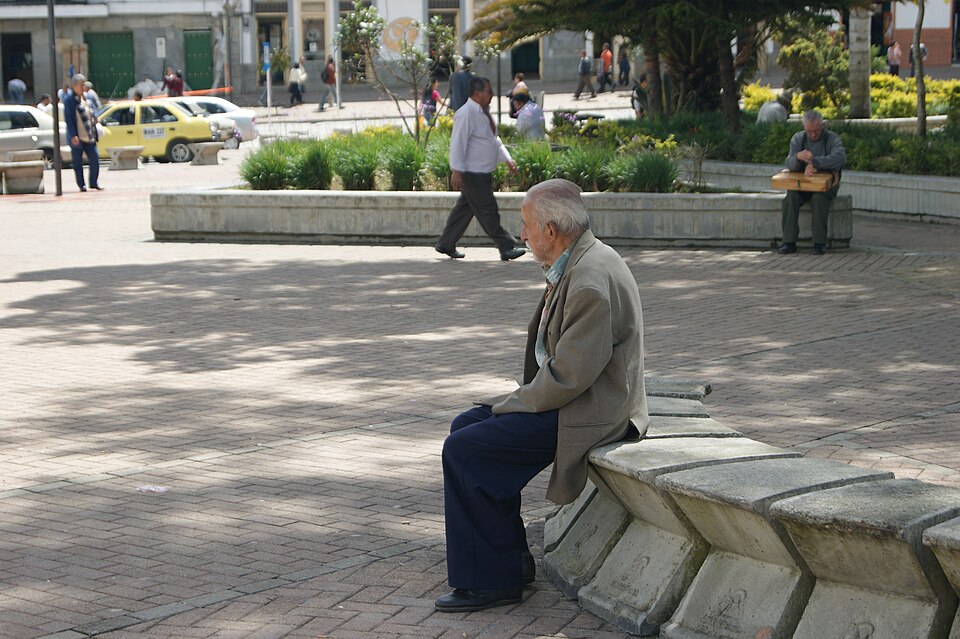
In the second quarter of 2025, nearly 30% of Austrians aged 18 to 74 reported experiencing loneliness at least occasionally, according to the latest survey from
Statistics Austria. That translates to roughly 1.8 million people, with almost one in ten (8%) saying they felt lonely “always” or “most of the time.”
Young adults and those facing financial hardships are particularly vulnerable. Manuela Lenk, Director General of Statistics Austria, highlighted the stark divide: “Loneliness is especially prevalent among people from households unable to afford what is generally considered necessary for a decent standard of living. In such households, 35% reported feeling lonely most of the time, compared to only 6% in households with fewer restrictions.”
The social impact of crisis survey reveals that loneliness disproportionately affects certain groups. Among 18- to 34-year-olds, 12% reported constant or frequent loneliness. Other highly affected groups include people living alone (19%), single parents (12%), households impacted by unemployment (17%), and low-income individuals (16%).
Material and social deprivation also play a significant role. Individuals from households experiencing seven or more of 13 deprivation indicators—such as being unable to host friends, participate in leisure activities, or replace basic goods—reported the highest rates of persistent loneliness at 35%.
Time use patterns further illustrate the social isolation trend. Data from the 2021/2022 survey show that the average adult aged 18 to 34 spends over five hours alone each day, while those aged 50 to 64 spend more than six hours. Adults 65 and older spend over six and a half hours alone daily, with social interactions declining sharply with age. Women, however, tend to spend slightly less time alone and more time engaging socially than men.
The findings underscore the growing social challenge of loneliness in Austria, particularly among younger adults, the elderly, and financially constrained households. Photo by jaocampoz, Wikimedia commons.