





















A museum in northwest England has unveiled a new gallery showcasing thousands of African artefacts, many of which the institution admits it knows very little about. The exhibition aims to
spark a wider conversation about colonial-era looting and the restitution of cultural property.
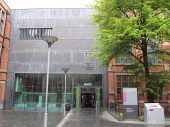
The Manchester Museum, located in northwest England, holds more than 40,000 African objects, most of which have been kept in storage. The collection was amassed during the British Empire through trade, anthropological research, confiscation, and, in some cases, outright looting.
“Some of them were given, some of them were stolen, some were taken forcefully, out of conquest,” said Sylvia Mgbeahurike of the Igbo Community Greater Manchester, which collaborated on the creation of the new display. “It is important that we start bringing them together again.”
The gallery, named ‘Africa Hub’, questions whether these artefacts should be returned to their communities of origin or whether they can be shared and celebrated in new ways in Manchester. Visitors are encouraged to contact the museum if they recognize any of the objects.
Global calls are intensifying for the return of looted artefacts and ancestral remains held in Western institutions, part of a broader movement seeking reparations for colonialism and slavery.
Unlike most of the museum’s exhibitions, which reflect extensive research, the new display intentionally exposes gaps in knowledge. Many items—including musical instruments, stools, and carved figures—entered the collection through donations, purchases, or transfers from other institutions, often with minimal context beyond the donor.
“Museum records rarely tell us who made these items, when they were created, or what they were originally called,” the museum said. “They do not tell us who owned them, how they were used, or why they mattered to people.”
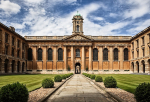
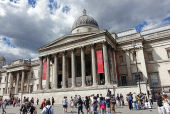
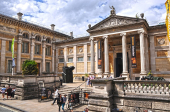
While some restitution efforts have been made in Europe and beyond, thousands of artefacts and human remains from Africa and other regions remain in museums around the world. Photo by Rept0n1x, Wikimedia commons.