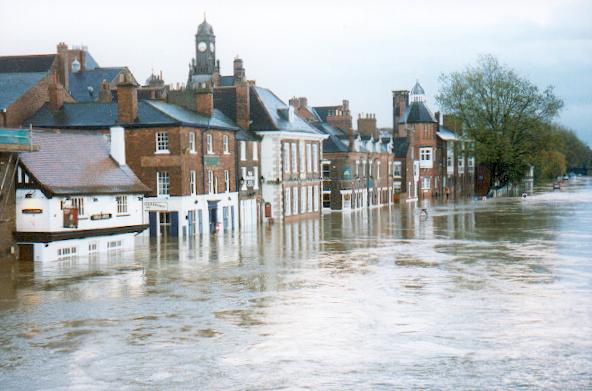
The UK Government is stepping up efforts to protect communities, businesses and critical infrastructure from severe winter weather, combining billions of pounds in investment in flood
protection and transport networks with a new nationwide campaign encouraging households to prepare for emergencies.
The measures, announced on 2 October 2026 by the Cabinet Office, come after last winter’s severe weather, including storms Goretti and Chandra. Officials are also monitoring the potential impact of a strong El Niño, which could increase the likelihood of wetter and stormier conditions during late autumn and early winter.
As part of preparations, more than 600 flood defence projects are being delivered across England, forming part of what the Government describes as the largest flood protection programme in the country’s history. A total of £1.4 billion is being allocated to flood defences during the 2026/27 financial year, with tens of thousands of households expected to benefit from improved protection against flooding and coastal storms.
Transport infrastructure is also receiving significant investment to reduce disruption during adverse weather. The Government has committed more than £24 billion to maintaining and upgrading local roads over the next four years, while Network Rail is receiving £2.6 billion to strengthen railway infrastructure against climate-related risks.
Several regions are already benefiting from these improvements. Projects worth £33 million have been carried out in County Durham, while £41 million has been invested across the North West to reinforce railway embankments and reduce the risk of landslides.
Preparations also extend to the energy sector, where electricity network operators are undertaking essential maintenance before winter storms arrive. Activities include removing potentially dangerous tree branches, inspecting vulnerable infrastructure and positioning engineering teams in areas considered particularly exposed to severe weather. Such preventive measures are intended to minimise the risk of widespread power cuts.
The Government has also highlighted the performance of electricity network operators during the previous winter. Following Storm Amy, 99% of affected electricity customers had their supplies restored within 24 hours.
Security Minister Dan Jarvis said protecting the public and maintaining essential services remained a central responsibility of the Government. He noted that major infrastructure investment would be accompanied by practical advice to help households prepare for extreme weather and other emergencies.
A new national public awareness campaign, scheduled to launch later this autumn, will focus on simple and affordable measures that individuals and families can take to improve their preparedness.
Among the recommendations will be keeping essential household supplies available and registering with the Priority Services Register. The scheme enables vulnerable customers to receive additional assistance more quickly during disruptions to electricity, gas or water services.
The campaign has been developed following consultations with more than 5,000 members of the public and 400 organisations, including local authorities, NHS England, the British Red Cross and the National Emergencies Trust.
In September, Jarvis visited Leicester to examine community-based emergency preparedness initiatives. Experiences from the city and similar local programmes have helped shape the national campaign, with the Government seeking to ensure that its recommendations reflect the practical needs of residents.
The initiative is also intended to bring the UK closer into line with other European countries, most of which already operate public preparedness campaigns covering everyday emergencies and extreme weather.
The new programme will complement existing initiatives, including Flood Action Week and the Met Office’s Weather Ready campaign, which provide guidance on reducing risks associated with flooding, storms and other adverse weather conditions.
By combining investment in national infrastructure with household-level preparedness, the Government aims to strengthen the UK's ability to withstand winter emergencies and reduce their impact on communities, businesses and essential public services. Photo by Gordon Hatton, Wikimedia commons.