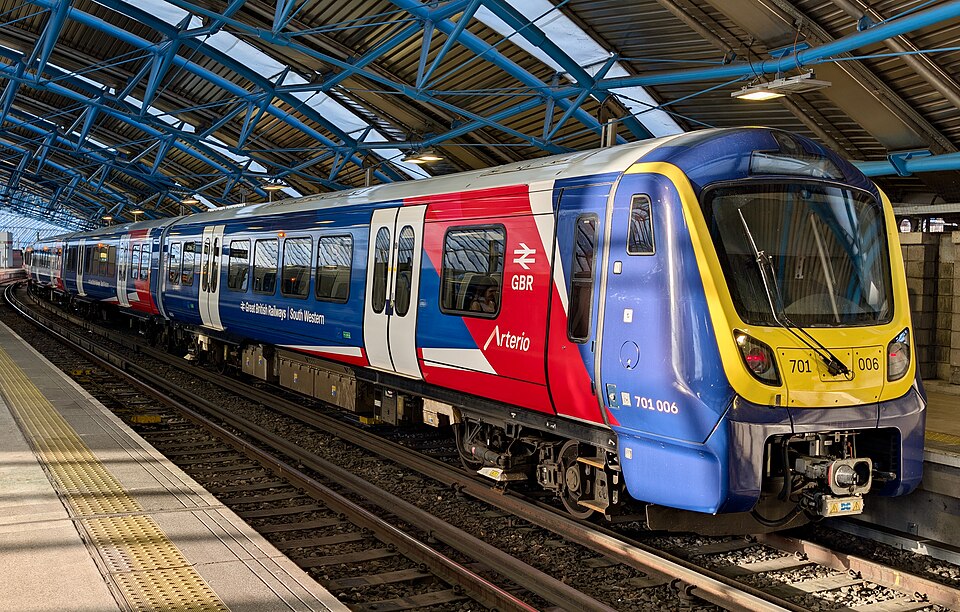
From 20 September, passengers affected by cancelled services will be able to continue their journeys on participating rival operators without having to purchase another ticket, under a
new government-backed scheme designed to simplify travel during disruption.
The reform, announced by the Department for Transport, is being introduced as part of wider efforts to make the railway easier to use ahead of the establishment of Great British Railways (GBR).
Under the new arrangements, passengers whose booked train is cancelled will no longer have to wait for operators to negotiate whether their tickets can be accepted elsewhere. Instead, they will be able to board an eligible alternative service and continue travelling without an additional fare.
The change is intended to tackle one of the most frustrating aspects of rail disruption: passengers being left on platforms unsure whether they can use another train, while facing the prospect of buying a second ticket simply to reach their destination.
New rules take effect on 20 September
From Sunday, passengers holding a valid ticket for a cancelled service will be permitted to use another participating operator's train departing within two hours before or after the scheduled departure of their original service.
Travel must follow either a direct or a reasonable alternative route.
Passengers will not need to obtain a replacement ticket. Instead, they can show their original ticket to customer support staff on the alternative service as evidence that they had already paid for their journey.
The government says the measure will provide an immediate solution when cancellations occur, reducing uncertainty and helping passengers avoid unexpected costs.
Cross-operator ticket acceptance is already available among publicly owned rail companies. The latest expansion brings four major intercity operators into the arrangement: Avanti West Coast, Chiltern Railways, CrossCountry and Great Western Railway.
East Midlands Railway is expected to join at a later stage.
Operators included in the scheme
The participating operators following the September expansion will be:
c2c
Gatwick Express
Greater Anglia
Great Northern
LNER
London Northwestern Railway
Northern
Southeastern
Southern
Thameslink
South Western Railway
TransPennine Express
West Midlands Railway
Avanti West Coast
Chiltern Railways
CrossCountry
Great Western Railway
The government argues that widening ticket acceptance is an important step towards simplifying what it describes as an overly complex rail system.
Rail Minister Lord Hendy of Richmond Hill said the reform would remove unnecessary barriers for passengers when services are disrupted.
“No one should be left stranded because of a fragmented railway when their journey is disrupted,” he said, describing the change as a “simple, common-sense” reform.
The government says the wider objective is to place passenger service at the centre of railway reform as the transition towards Great British Railways continues.
Wider push to modernise rail ticketing
The new cancellation arrangements form part of a broader programme to overhaul how passengers buy and use rail tickets.
The government is investing £156 million in new ticketing systems, with plans to extend pay-as-you-go travel to more than 100 additional stations across Greater Manchester, the Midlands and south-east England by 2027.
Digital ticketing is also being expanded, with technology designed to use journey information, including GPS, to identify the appropriate fare without requiring passengers to buy tickets in advance or physically check in and out.
A new Great British Railways website and app is also being developed. The planned platform is intended to bring ticket purchases, train information and passenger support together in a single service.
Transport Focus chief executive Alex Robertson welcomed the cancellation reforms, saying passengers primarily want a straightforward way to reach their destination when trains are disrupted.
He also stressed that the success of the scheme would depend on passengers receiving clear and timely information about which alternative services they can use.
The changes are due to take effect on 20 September 2026, marking another step in the government's plans to reshape Britain's fragmented rail network ahead of Great British Railways. Photo by Fortek67, Wikimedia commons.