
A new artificial intelligence system is being introduced to England and Wales’ police 101 service in an effort to cut waiting times, divert millions of misdirected calls and give officers and
call handlers more time to deal with crime and vulnerable victims.
The technology, backed by a £1.4 million government investment, is designed to identify why someone is calling before they enter a police queue. Where the issue does not require police intervention, the system will direct the caller to the organisation best placed to help.
The move comes as police forces deal with around 20 million calls to 101 every year. Government figures suggest roughly one in five — about four million calls — concerns matters that should instead be handled by other organisations, including local authorities, NHS 111 and the 105 electricity fault service.
Police control rooms also receive a significant number of inappropriate or nuisance calls, ranging from complaints about late pizza deliveries and slow service in pubs to requests for lifts. Officials argue that dealing with such calls consumes resources that could otherwise be directed towards investigating crime and supporting victims.
The government estimates the new technology could save policing as much as £8.5 million a year, allowing individual forces to redirect money towards their own operational priorities.
Crime and Policing Minister Sarah Jones said the system would help modernise an area of policing where staff currently spend considerable time dealing with calls intended for other services.
She said AI was already being used in policing to support criminal investigations and identify offenders, and argued that applying the technology to contact centres could similarly release staff time and public money.
The system has been developed jointly by the Home Office and the National Police Chiefs’ Council, with Vodafone Business acting as the delivery partner. Its AI model assesses the caller’s explanation and identifies the most likely reason for the contact before determining whether the matter belongs with the police or another public service.
Under the existing system, a caller can only be redirected after speaking to a police call handler. That means staff time is used even when the issue ultimately has nothing to do with policing, while people with genuine emergencies or crime reports may face longer queues.
The new approach has been tested across 15 police forces, including cases involving damage-only road collisions, fly-tipping and noise complaints. Officials say the technology has undergone extensive training and testing to ensure that differences in accents, language and the way callers describe problems do not unfairly affect its decisions.
Safeguards have also been built into the process. Callers will be told what the system believes their reason for contacting 101 is and will have the opportunity to confirm or reject that assessment.
Where a call falls into a wider or potentially sensitive category, the system can ask additional safeguarding questions. If there is any uncertainty about whether police assistance is required, the call will be transferred to the police rather than redirected elsewhere.
People will also retain the option of speaking directly to a human call handler.
The precise way the technology is introduced will vary between police forces, depending on the telephone systems and menus already operating locally. The changes apply to the non-emergency 101 service and do not alter the existing 999 emergency system.
The National Police Chiefs’ Council said the technology represented an important step in modernising how members of the public access policing services, while allowing control rooms to manage demand more efficiently.
Stuart Hooper, the council’s lead for contact operations, said AI-based triage could reduce unnecessary call handling and allow staff to concentrate on people who genuinely require police support.
VodafoneThree business director Nick Gliddon said the technology demonstrated how AI could be used to make public services easier to navigate while protecting limited police resources.
The 101 project forms part of a wider £16.5 million government programme to modernise the way the police communicate with the public and process information.
Other measures planned under the reform programme include AI tools capable of transcribing 999 and 101 conversations and technology designed to connect crime reports and identify wider patterns in demand.
The government says the broader programme is intended to bring police contact centres into the digital age while ensuring that frontline resources are concentrated where they can have the greatest impact.
John Hayward-Cripps, CEO, Neighbourhood Watch Network, said:
“Neighbourhood Watch volunteers and supporters have long fed back on the delays and poor service from the overloaded 101 service reported to them from local members of the public. This new AI call-routing system is a practical step towards a faster, smarter and more responsive 101 service. By directing non-policing calls to the right organisation at the start, it will help reduce waiting times for the public, protect vital police resources, and ensure officers and call handlers can focus on tackling crime, safeguarding vulnerable people and supporting victims. Neighbourhood Watch fully support this government initiative and hope it can be implemented quickly”.
Al Murray, Interim Director at PoliceAI, said:
“Every minute spent dealing with a misdirected call is a minute that could be spent helping a victim or responding to a crime. This initiative shows how AI can better redirect non-police related calls from the system, get the public to the right service faster and free police officers to focus on the work only they can do. At a time when policing is facing growing demand, that matters more than ever. It is a powerful example of how technology can improve the public’s experience, strengthen support for victims and make better use of valuable police time.
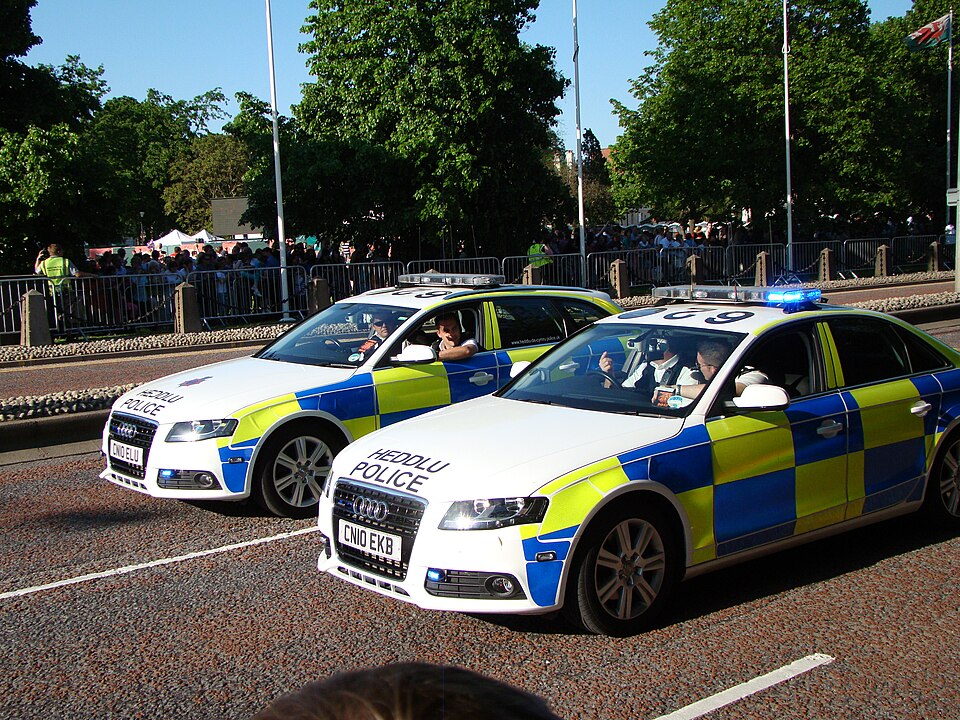
When introduced responsibly and with the right safeguards, AI has the potential to transform public services. This investment will help policing work more efficiently, deliver better value for taxpayers and allow officers and staff to spend more time protecting communities and tackling crime. It’s exactly the kind of practical, people-focused innovation that PoliceAI exists to support”. Photo by Jon Candy, Wikimedia commons.