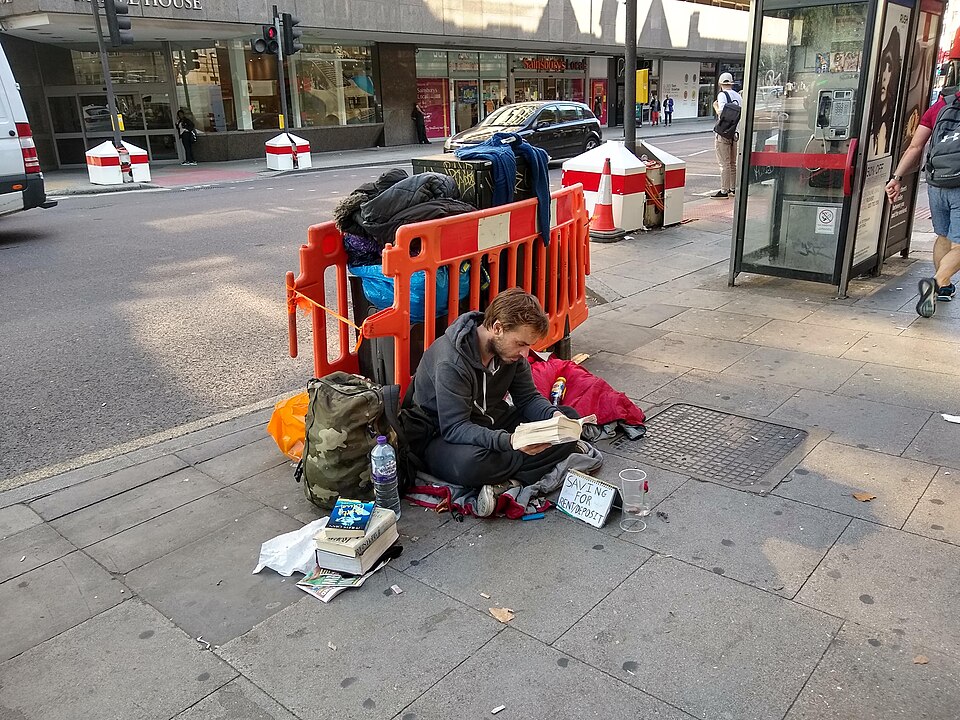
The government has unveiled a £442 million package aimed at ensuring everyone sleeping rough in England is offered a route into accommodation this winter, setting Christmas as the
first major milestone in its pledge to end rough sleeping.
Prime Minister Andy Burnham announced the programme on Wednesday, just a month after making the fight against rough sleeping his first formal instruction as prime minister. The initiative will combine emergency accommodation with longer-term housing and practical support for people facing homelessness.
The government said the most heavily affected areas will receive the largest share of the funding, with councils and mayors expected to move quickly to provide accommodation and support before winter sets in.
The programme draws on approaches developed during the Covid-19 pandemic, when authorities rapidly moved people sleeping on the streets into emergency accommodation.
This time, ministers say the objective is not simply to provide somewhere to sleep, but to create a pathway towards a more stable life. Support will include help with housing, healthcare and other needs, alongside access to longer-term accommodation.
More than 1,000 settled homes are expected to be delivered over the next three years under the wider programme, accompanied by intensive support designed to help people remain in their homes.
Burnham said the government could not accept rough sleeping becoming a permanent feature of British cities and towns.
“No-one should have to bed down in a doorway or outside a station,” Burnham said, arguing that the problem had been allowed to become too familiar in Westminster.
He said the government had demonstrated during the pandemic that large-scale action was possible and called on businesses, charities, community organisations, faith groups and other institutions to contribute.
“Let’s get people out the cold. And let’s bring back hope,” he said.
Housing Secretary Angela Rayner said the new funding represented a shift from political commitments to immediate action.
The government will also issue guidance to councils on how to establish a consistent offer for people sleeping rough this winter. Particular emphasis will be placed on women, who ministers say can be underrepresented in official rough-sleeping figures while facing heightened risks of violence, abuse and exploitation.
Local authorities are being encouraged to provide single-sex accommodation where appropriate, backed by specialist and trauma-informed support for women affected by domestic abuse or sexual violence.
Ministers said the strategy would also contribute to the government's wider goal of halving violence against women and girls over the next decade.
Charities and community organisations will receive additional support. Some £8.4 million from the new package will go to the Ending Homelessness in Communities Fund, bringing total funding announced for 100 projects to £47 million over three years.
The money will be used by small and medium-sized organisations working with people who are already homeless or at risk of losing their homes.
The government is also planning a national summit this autumn, bringing together representatives from business, finance, charities, healthcare, faith organisations and community groups.
The event is intended to broaden responsibility for tackling rough sleeping beyond central government and local authorities.
The economic case for prevention is also being highlighted. Research cited by the government from homelessness charity Crisis suggests that preventing 40,000 people from becoming homeless for a year could save taxpayers about £370 million.
Ministers argue that the combination of immediate winter accommodation and longer-term housing investment can reduce pressure on public services while giving people who have been living on the streets a chance to rebuild their lives.
The Christmas target is therefore being presented not as the end of the government's homelessness programme, but as its first major test: ensuring that people who would otherwise spend the winter on the streets have somewhere safe to go, while building the longer-term support needed to keep them there. Photo by Philafrenzy, Wikimedia commons.