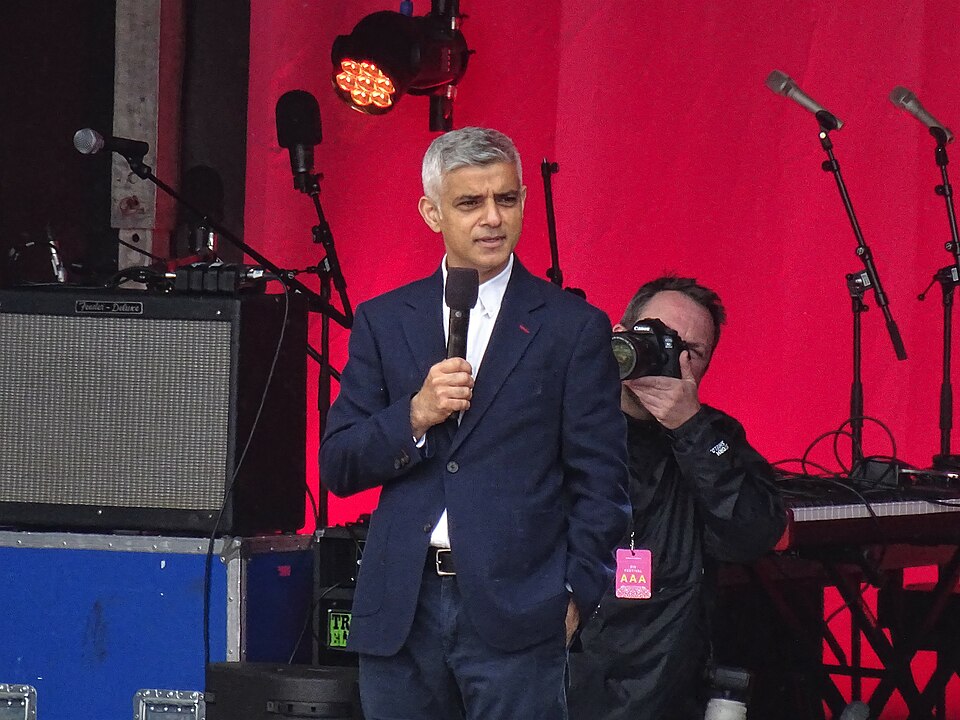
The Mayor of London, Sadiq Khan, has launched a 10-year plan aimed at tackling pollution, restoring wildlife and improving public access to the capital’s rivers and waterways.
The Clean Rivers and Waterways plan is described as one of the most ambitious programmes of its kind for an urban area. It will focus on 10 locations across London where investment could deliver the greatest benefits for residents and the environment.
London has more than 600km of rivers and waterways, but decades of pollution and neglect have left them in poor condition. None of the capital’s rivers are currently classified as being in “good” condition.
Sewage pollution has also become a major concern. In 2023, five times more sewage entered London’s rivers than the previous year, according to figures cited by the Mayor. Misconnected properties are estimated to discharge the equivalent of 1.8 Olympic-sized swimming pools of polluted water into the capital’s rivers every day.
Mr Khan said access to nature and clean waterways should be available to Londoners regardless of where they live or their background.
The plan aims to reduce sewage and other pollution, improve water-quality monitoring and restore 550 hectares of waterway habitat and 80km of rivers over the next decade.
It also includes plans to improve habitats for fish and other wildlife, reintroduce beavers and water voles where appropriate, create a new riverside walking route and, where conditions allow, make waterways clean and safe enough for swimming.
More than 50 organisations, including councils, water companies, charities and community groups, have contributed to the plan.
The programme is backed by £1.8bn in funding from partners over the next five years. Mr Khan has also announced an additional £2.7m from City Hall, taking his total pledged funding for London’s waterways to £16.25m.
Of the new funding, £1.25m will support projects along the River Wandle and Grand Union Canal, as well as improvements to waterways in the Lower Lea, Royal Docks and Lower Roding.
A further £1.48m will fund large-scale urban rewilding projects in Redbridge and Hillingdon, designed to create wildlife-rich landscapes and help communities cope with climate change.
The 10 priority areas identified by the plan are:
River Brent catchment: efforts to reduce sewage pollution, improve walking routes and create better habitats in west London.
Yeading Brook: a major rewilding programme to return the brook to a more natural state.
Upper Lea Valley: sustainable drainage schemes to reduce pollution and flood risk, alongside plans to restore sections of lost rivers.
Lower Lea Valley and Royal Docks: improvements to the waterfront and greater access to water-based activities, including open-water safety sessions.
Grand Union Canal: upgraded towpaths and regeneration of the waterside to improve access and support water-based recreation.
Salmons Brook and Pymmes Brook: new wetlands and landscape restoration aimed at reducing pollution and flood risk.
River Roding: improved riverside access, community involvement in habitat restoration and water-quality monitoring.
Ravensbourne catchment: restoration of habitats and sections of the river, alongside measures to reduce flood risk and improve biodiversity.
Wandle catchment: restoration of the rare chalk stream, new habitats and fish passages, improved public access and investigations into restoring lost rivers.
Lower Crane Valley: plans for a new 40km riverside trail, alongside river restoration and improvements for wildlife.
The Mayor’s office said more than 31 rivers and waterways projects have already received funding since Mr Khan took office.
Those projects have restored or created habitat along 3.7km of rivers and more than 55 hectares of priority waterways.
The new strategy builds on the Mayor’s £12m Green Roots fund, which has supported community-led projects across London, including the creation of 40km of new accessible riverside paths along the River Crane.
The plan also forms part of wider efforts to prepare London for hotter weather. City Hall says greater access to blue spaces, including safe swimming and other water-based activities, could help communities adapt to increasingly frequent and severe heat.
The Mayor of London, Sadiq Khan, said: “London’s rivers and waterways are the lifeblood of the city but for too long, they have been neglected, polluted or cut off from the communities around them. Habitats that should support otters, kingfishers, water voles, fish and other wildlife have been damaged by sewage, road runoff, litter and decades of underinvestment. The impact has been felt by nature and by Londoners, particularly those communities that already experience the greatest environmental inequality.
“I firmly believe access to nature is an issue of social justice. Through this ambitious plan we will work with partners to tackle pollution, restore nature and open up new swimming and recreation opportunities, improving access to help Londoners enjoy and reconnect with their waterways. We will clean up London’s rivers in the same way we cleaned up our toxic air, bringing about lasting change as we work to build a greener, fairer city for everyone.”
The Mayor announced the Clean Rivers and Waterways plan at the West Reservoir in Hackney. The reservoir, which offers open water swimming, sailing and kayaking, was awarded £700,000 from the Mayor to create new reedbeds for wildlife, improve the outdoor swimming facilities and open up waterside green space for the public.
Mete Coban, Deputy Mayor for Environment and Energy said: “Being able to access and enjoy our city’s waterways and green spaces is a matter of social justice - that is why we are working closely with a wide range of partners to ensure that inclusion is at the heart of this new plan.
“London has amazing blue and green spaces all around the city, and we want to ensure as many people as possible can enjoy them. This plan will transform our rivers and waterways, supporting nature to thrive and enabling wildlife to return to their natural habitats. It is also a key part of us building a city that is more resilient to climate change. Together, we can build a greener, fairer London for everyone.”
Explorer, TV presenter and author Steve Backshall MBE said: “Having enjoyed kayaking on the Thames for more than 25 years, I love spending time on the river and think it should be something we all celebrate – but unfortunately, our waterways have suffered decades of neglect and pollution.
“I joined the Mayor of London when he first announced his ambitious 10-year plan to clean up London’s rivers. It’s a big goal, but this plan, investment and collective action by partners will improve our blue spaces in the next decade. Together we can help bring wildlife back to the city and transform the capital’s rivers and waterways, so that everyone can enjoy London’s outdoor spaces.”
Tessa Fayers, Director of Wastewater and Bioresources at Thames Water, said: "We are committed to helping waterways thrive and we are proud to support the Mayor's Clean Rivers and Waterways plan as it builds on the improvements we have already seen in London.
"The £7bn London Tideway Tunnel, made up of the Thames Tideway and Lee tunnels, has now diverted more than 21 million tonnes of sewage away from the tidal Thames in less than two years, and ZSL's recent State of the Thames report spoke about a continued recovery of the tidal river.
"But there is so much more to do for the health of our waterways and no one organisation can do it alone, which is why the Mayor's plan is crucial and why Thames Water is delivering the biggest upgrade of its network in 150 years."
Hackney Councillor Sam Mathys, Cabinet Member for Culture, Nightlife, Resilience and Business standards said: “We’re proud to be investing, along with the Mayor of London, to provide even better facilities at the reservoir, helping improve accessibility and biodiversity and supporting our commitment to make Hackney’s first-class green and blue spaces available to all our residents.”
Mark Cridge, Executive Director, National Park City said: "Through our participation on the Task Force and the amazing efforts of the hundreds of London National Park City Rangers, volunteers and groups across London, we have been delighted to support this initiative to encourage greater participation and engagement with London's amazing river network.
“London's' rivers connect and link communities right across the city so it's only right that we work together to make these environments more accessible, inclusive, and beneficial to Londoners.
“The Mayor and the teams supporting this project have recognised and built upon the important work that many grassroots organisations are already doing in this space, which we have been proud to support with funding from the Green Roots Fund, to deliver hundreds of small grants for community led projects. Together we can make London greener (and bluer), healthier, and wilder".
Joe Pecorelli, Freshwater Conservation Programme Manager at ZSL said: “With more than two decades of experience helping communities to restore the Thames and other rivers across London, we’re delighted to have worked with the Mayor’s team and partners on this ambitious plan to level up action for cleaner, more accessible waterways.
“From the reintroduction of water voles to the creation of a city-wide River Health Map, the Plan will propel us towards a more resilient capital – one where rivers, wetlands and canals throughout the city teem with native wildlife, protect communities from climate change and provide beautiful, restorative spaces for everyone to enjoy.”
Kerry Downes, CEO, the Black Swimming Association said: “The Black Swimming Association is pleased to support a plan that puts safety and inclusion at its heart. The Plan aims to amplify water safety campaigns, work that’s essential to keeping all communities safer in, on and around water.
“We’re particularly encouraged by its focus on safer access to aquatic activities for communities that have historically faced barriers, ensuring everyone has the opportunity to take part safely.”
Ros Daniels, Canal & River Trust director for London & South East said: "Our charity's 100km of waterways in the capital are vital urban wildlife corridors, connecting millions of Londoners with blue and green space as well as providing traffic-free active travel routes.
"The Southall Grand Union Canal Wellbeing Way, supported by the Mayor of London's Green Roots Fund, demonstrates the social value of our canals and rivers, and their potential to improve the health and wellbeing of those who live or work near them.
"But it’s critical that those canals thrive as living ecosystems as well as transport routes, and we share the Mayor's ambitions for cleaner waterways. We look forward to a renewed focus on restoring wildlife habitat and tackling pollution, and in playing our part as custodian of some of London's best loved canals and rivers."
Jo Dimitri, Senior Programme Manager, National Trust said: “The River Wandle is one of London’s most remarkable rivers, connecting people with nature and heritage right through the heart of the city.
“As part of the Wandle Valley Regional Park Trust and custodians of Morden Hall Park, the National Trust is proud to be working with the Mayor of London, the Walk Wheel and Cycle Trust, Living Proof and local volunteers and communities across the catchment to help create a healthier river, richer wildlife habitats and better access to nature.
“This plan gives us an exciting opportunity to build on more than a decade of partnership working and brings together the ambition, investment and collaboration needed to make a lasting difference, so more people can enjoy and care for the Wandle for years to come.”
Rute Robalo, Vice Chair and Trustee, Women in Tri said: "Access to clean, safe open water is transformative for physical and mental wellbeing, yet many women, particularly those from ethnically diverse and low-income communities, face real barriers to accessing London's blue spaces.
“The Mayor’s Clean Rivers and Waterways plan is a vital step forward in removing these obstacles. At Women in Tri UK, we are proud to champion safe, inclusive access so that women of all backgrounds feel confident, safe, and welcome to enjoy our capital's waterways."
Charlie Wood, Environment Agency Director for London, said: "We welcome the collaborative approach set out in the Clean Rivers and Waterways Plan, which is taking action to improve river health, restore wildlife habitats and create cleaner, healthier waterways for Londoners.
“Together with partners, we have improved more than 38km of river habitat over the last 10 years, regulated the delivery of treatment works and tunnel infrastructure, and supported nature-based solutions to reduce sewage pollution and improve water quality.
“Restoring London's rivers will take continued collective and decisive action. We must build on this momentum to deliver the transformational changes set out in the Plan for the benefit of people, nature and future generations."