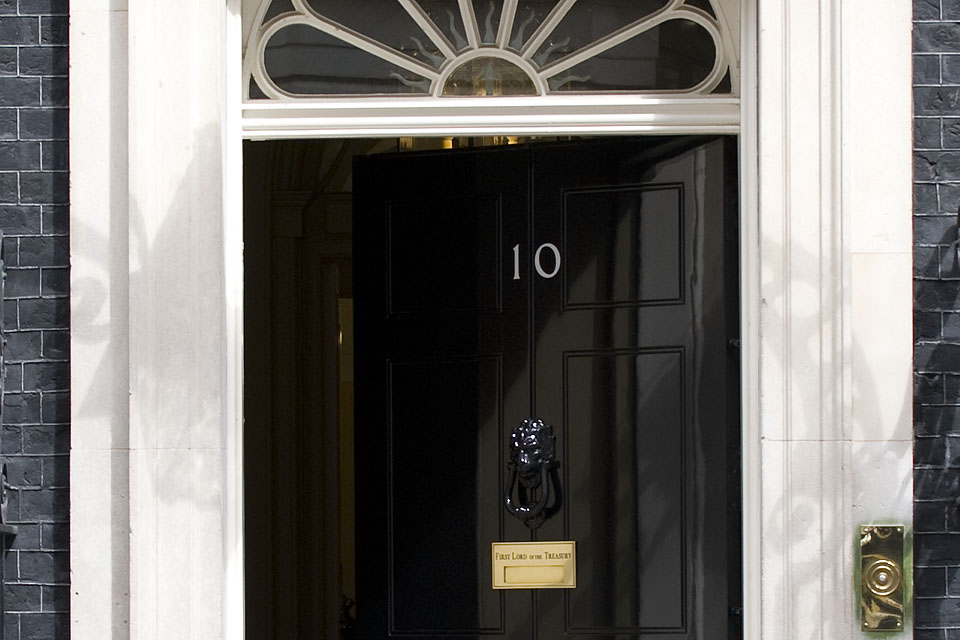
Families across Britain woke up to a raft of financial changes on Monday as some of the most significant welfare and workers' rights reforms in years took effect — all against the backdrop of
rising global tensions and an ongoing conflict in Iran rattling household budgets.
The centrepiece of the package is the end of the two-child benefit cap, a policy introduced under the Conservatives in 2017 that blocked parents from claiming Universal Credit for a third or subsequent child. Chancellor Rachel Reeves announced the cap would be lifted when she delivered the November budget, following months of pressure from Labour backbenchers. From today, the child element of Universal Credit — worth around £3,650 a year in 2026/27 — will be available for all children in a household.
The government says the move will lift 450,000 children out of poverty. But the picture is more complicated than that headline suggests. The government estimates that the overall benefit cap will prevent around 50,000 families from gaining from the change, with a further 10,000 not gaining in full.
Amnesty International welcomed the reform but argued it doesn't go nearly far enough. Jen Clark, Amnesty's economic and social rights lead, said the change "fails to go far enough to help the vast majority of children living in poverty in the UK," and called on the government to also remove the overall benefit cap and scrap the sanctions system, which she said had "for decades" forced parents to choose between food and heating.
The opposition struck a sharply different tone. Conservative leader Kemi Badenoch accused the government of favouring benefit claimants over working people, saying: "While working people struggle with rising fuel costs and food prices, Keir Starmer is giving another handout to those on benefits."
Workers' rights, pensions and sick pay
Beyond the benefit cap, today also marks the implementation of the Employment Rights Act, which the government is billing as the biggest upgrade to workers' rights in a generation. Workers now gain immediate rights to paternity leave from their first day of employment, and statutory sick pay rules have been overhauled as part of the same legislation.
Pensioners get a boost too. The basic and new State Pensions rise by 4.8% for more than 12 million people — an increase worth up to £575 a year for someone on the new State Pension.
The Universal Credit standard allowance is also increasing by 6.2% — the first of four years of above-inflation upratings committed under the Universal Credit Act of 2025. For most working-age benefits, the increase is 3.8%.
Not everything is going up, however. The Local Housing Allowance and the overall benefit cap remain frozen, and support for new claimants with limited capability for work will be halved — from £423.27 a month to £217.26 — except for those with terminal illness or severe lifelong conditions.
The global backdrop
Prime Minister Keir Starmer framed the whole package against a world in turmoil. Writing in the Guardian, he described scrapping the two-child cap as "one of the proudest moments of this Labour Government," adding that it "means fuller cupboards, less anxiety at the end of the month, and a fairer start in life for children who had no say in the circumstances they were born into."
The government is also pointing to its five-point plan to cushion the impact of the Iran conflict on energy and fuel prices — including a £117 average cut to energy bills, an extended fuel duty freeze, and diplomatic efforts to reopen the Strait of Hormuz. Whether that proves sufficient to keep a lid on living costs will depend heavily on how the situation in the Middle East develops in the weeks ahead.