The government is preparing to clamp down on gambling sponsorship in British sport, with plans to block unlicensed operators from sponsoring clubs — including those in the Premier League
— as part of a wider crackdown on illegal gambling.
Under proposals to be consulted on this spring, gambling companies without a UK licence would be barred from entering into sponsorship agreements with sports teams. Ministers say the move is aimed at protecting fans, tackling organised crime, and preventing illegal operators from using high-profile football clubs as a gateway to the British market.
Unlicensed gambling firms operate outside UK rules designed to protect consumers. Unlike licensed companies, they are not required to carry out financial vulnerability checks, follow responsible advertising standards, or guarantee fair terms. They may also lack basic data protection safeguards, exposing customers to fraud and identity theft.
The government believes sponsorship bans would reduce the visibility and legitimacy of these operators, helping to curb demand for illegal gambling and level the playing field for properly regulated firms.
Culture Secretary Lisa Nandy said: “When placing a bet on the big match, fans deserve to know the sites they’re using are properly regulated, with the right protections in place.
It’s not right that unlicensed gambling operators can sponsor some of our biggest football clubs, raising their profile and potentially drawing fans towards sites that don’t meet our regulatory standards”.
The proposed restrictions would apply across professional sport, including the Premier League, where several clubs currently have sponsorship deals with gambling firms not licensed in Great Britain.
Last year, the Premier League agreed voluntarily to remove gambling sponsors from the front of matchday shirts by the end of the 2025–26 season. However, gambling brands — including unlicensed ones — are still permitted to appear on shirt sleeves and other club assets, giving them prominent exposure in the UK’s most-watched sports competition.
While clubs are not currently breaking the law if the gambling services are technically inaccessible to UK consumers, ministers argue that brand visibility alone can steer fans toward illegal sites operating beyond the protections of the Gambling Commission.
Gambling Minister Baroness Twycross said: “We know the real harm that unregulated gambling can cause, exploiting vulnerable people and leaving consumers without the protections they deserve.
This consultation, alongside the work of our Illegal Gambling Taskforce, shows how seriously this government is taking the issue. We will not hesitate to act where we see people being put at risk”.
The sponsorship consultation sits alongside broader enforcement efforts already under way. Last month, the government launched a cross-industry Illegal Gambling Taskforce bringing together major technology and payment firms — including Google, Mastercard, TikTok and Visa — alongside law enforcement and gambling regulators.
Led by Baroness Twycross, the taskforce is focused on three priorities: stopping illegal gambling advertising on social media, cutting off payment routes to unlicensed sites, and strengthening cooperation between regulators and enforcement agencies.
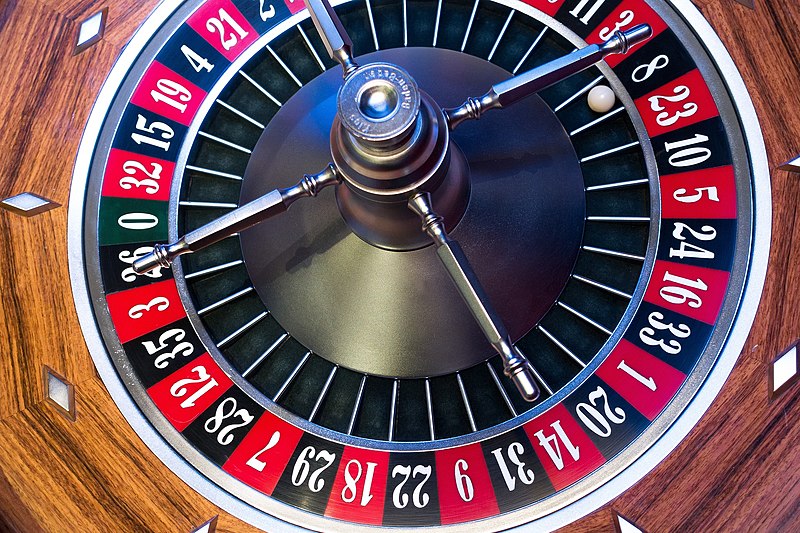
Although separate from the sponsorship consultation, ministers say both initiatives reflect a clear message: the government intends to close the space in which illegal gambling operators can operate, advertise, and profit in the UK. Photo by Stefan Schweihofer, Wikimedia commons.