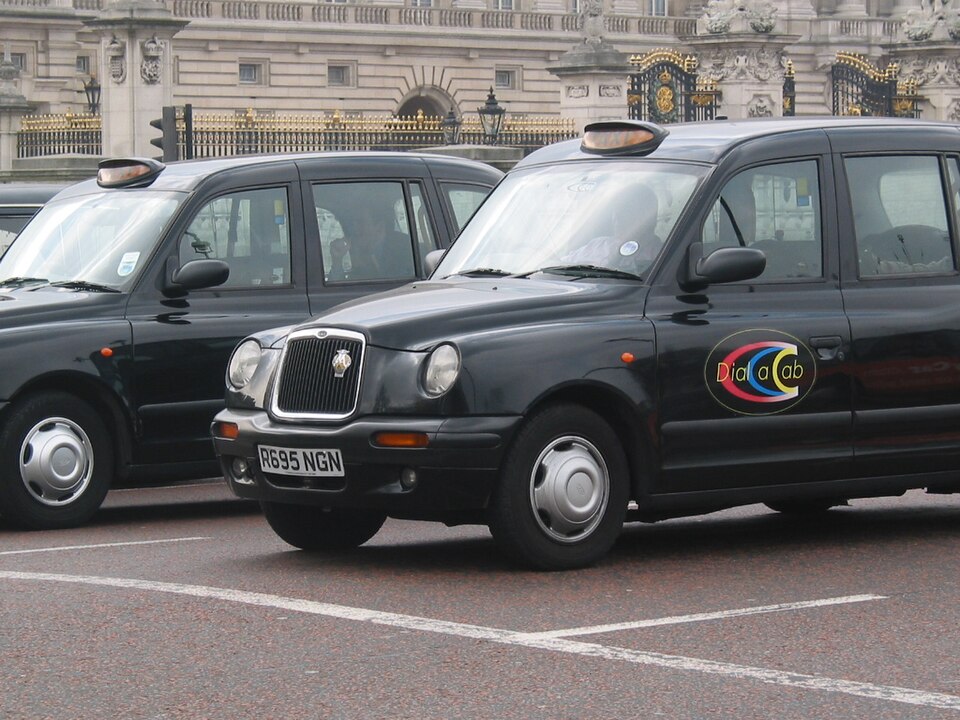
A new government policy has come into effect banning asylum seekers from using taxis for routine medical appointments, following revelations of long, costly journeys paid for by taxpayers.
A BBC investigation uncovered that in one instance, an asylum seeker billed the Home Office £600 for a 250-mile trip to see a GP for a knee check-up. The case prompted Home Secretary Shabana Mahmood to launch an urgent review, which has now resulted in the suspension of the taxi scheme.
Under the updated rules, taxis will still be permitted for exceptional cases, including serious illness, disability, or pregnancy, but each journey must now be approved by the Home Office. Travel between asylum accommodation sites may still be allowed, though the policy remains under review.
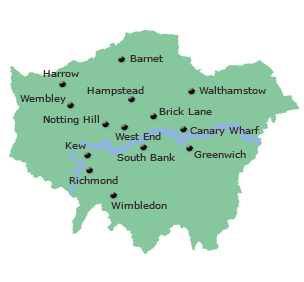
Taxi drivers speaking to the BBC revealed widespread inefficiencies in the system. One driver reported making around 15 daily trips from a south-east London hotel to a nearby GP surgery, just two miles away. Another driver, who asked to be identified as Steve, said some firms deliberately increased journey lengths by sending drivers from distant locations, sometimes covering more than 275 miles in a single day—often with passengers only for part of the journey.
Government figures show that £15.8 million was spent on taxis for asylum seekers in a single year. In 2025, a total of 41,472 migrants crossed the English Channel, the second-highest annual figure on record. This represented a 13% increase from 2024, when 36,816 migrants arrived, and a 41% rise from 2023’s total of 29,437.
The pace of arrivals slowed in the final months of 2025, with extended periods of no crossings, including a 28-day gap from November 15 to December 12. The government faced growing pressure to address Channel crossings after the 2024 general election, having promised to “smash the gangs” responsible for organising small boat journeys.
UK Border Security Commander Martin Hewitt acknowledged the challenge, telling MPs in October that the number of arrivals in 2025 was “frustrating,” but stressed that disrupting smuggling operations “was always going to take time.”
In December, the Border Security, Asylum and Immigration Act became law, creating new criminal offences and granting law enforcement enhanced powers to tackle people-smuggling gangs. Mahmood also announced what she described as the “most significant changes to our asylum system in modern times,” aiming to deter arrivals and streamline the process for those who qualify for protection. Photo by DianSavitri at the English-language Wikipedia.