Studies involving UK teams under the Horizon programme were more widely cited and more likely to reach completion, as Britain marks two years in Horizon Europe.
UK researchers backed by the EU’s flagship Horizon research programme delivered stronger academic impact and were more likely to see ambitious projects through to completion, according to new analysis published on Monday.
The study, commissioned by the Department for Science, Innovation and Technology (DSIT), shows that UK participation in Horizon-funded projects led to higher-quality research outputs, measured by citation impact, and enabled work that might otherwise have been abandoned or significantly scaled back.
The findings come as the UK marks two years since rejoining Horizon Europe, the world’s largest international research and innovation programme, worth around £80 billion. Ministers say the results underline the programme’s importance to the government’s broader agenda of economic growth and national renewal.
Research outcomes supported by Horizon range from improved healthcare and vaccine development to advances in agriculture and clean energy. Projects cited in the report include improved management of Type 1 diabetes through the INNODIA collaboration and major advances in Ebola vaccine research led by the London School of Hygiene and Tropical Medicine.
The analysis focuses on the Horizon 2020 programme, which ran from 2014 to 2020. During that period, UK researchers secured €7.8 billion in funding across nearly 11,000 projects. Evaluators found clear evidence that Horizon 2020 funding boosted both the reach and quality of UK research publications.
UK Science Minister Lord Vallance said: “Better Type 1 diabetes care and more productive farming techniques are just some of the breakthroughs made possible by the UK’s past involvement in Horizon. Today, the programme is supporting innovators whose ideas are set to boost economic growth and improve our public services.
This new evidence shows why it is so crucial that we support our brilliant scientists, researchers and businesses to seize the opportunities Horizon offers. In 2026 we’ll continue doing just that”.
European Commissioner for Startups, Research and Innovation, Katerina Zaharieva said: “2 years ago, the United Kingdom associated to Horizon Europe and this has already led to many fascinating new research projects. We welcome UK researchers in all pillars of Horizon Europe, including the collaborative projects with researchers from across the continent.
I saw this fruitful collaboration in action during my visit to the UK last year and hope to see even more next time I come”.
Recent figures suggest momentum is continuing. Earlier this month, the European Research Council announced its latest round of Consolidator Grants, with UK-based researchers receiving the largest share of awards of any country—65 out of 349 grants, worth a combined €728 million.
Looking ahead, the government plans to launch a targeted international campaign in Spain and Germany in 2026 to encourage further collaboration with UK researchers. Officials hope to build on existing partnerships developed through Horizon Europe, including the ESCALATE project, which brought together UK, Spanish and German partners to develop electric heavy goods vehicles.
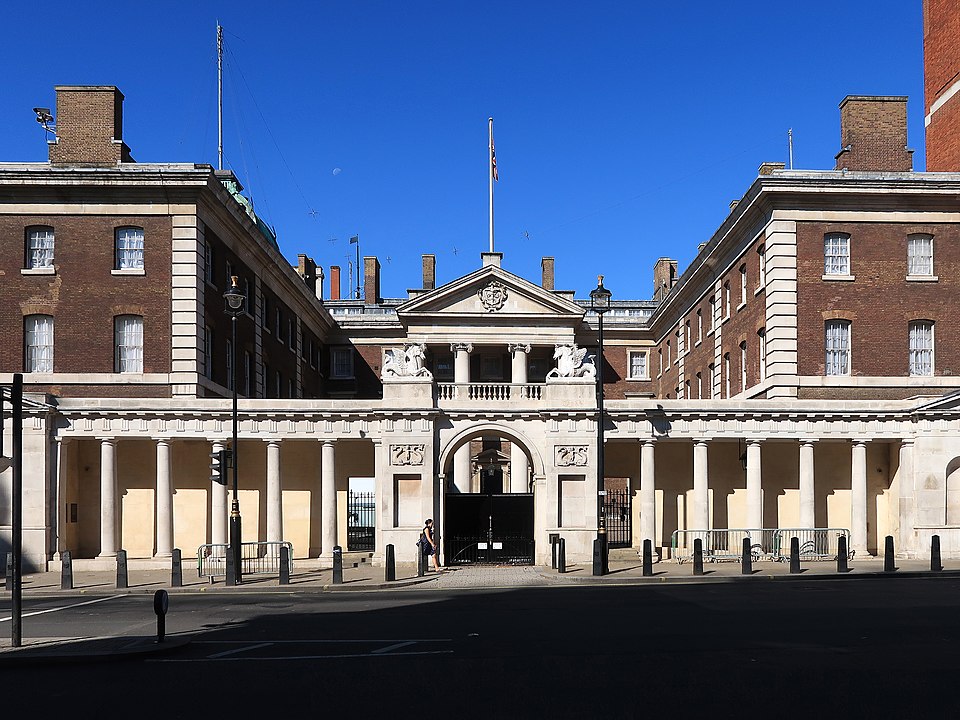
Ministers say strengthening these partnerships will help ensure UK scientists, researchers and businesses continue to benefit fully from Horizon Europe—and play a leading role in tackling shared challenges across health, energy and technology. Photo by Michael Coppins, Wikimedia commons.