US President Donald Trump has signalled that his administration does not intend to target Canadian aircraft manufacturer Bombardier, offering reassurance to a company that faced the
threat of exclusion from the American market just weeks ago.
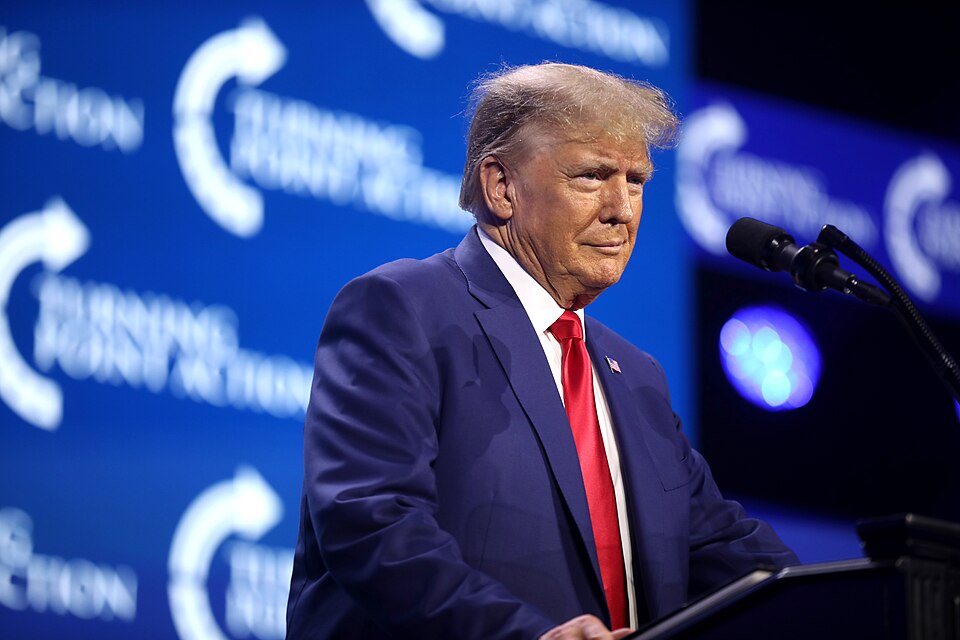
Speaking in Wichita, Kansas, late on Monday, Trump acknowledged the aircraft maker’s substantial presence in the state and indicated that protecting local jobs would influence his approach. His comments marked a shift in tone after he threatened in September to block Bombardier from selling aircraft in the United States.
The company employs around 1,500 people in Wichita, making it an important contributor to the local economy. Trump’s earlier remarks had prompted concern among Kansas politicians, including Republican Senator Roger Marshall, who contacted the White House alongside other state lawmakers to raise the potential economic consequences.
“I’m going to be helping a certain air company get themselves straightened away,” Trump said. He added that he had previously regarded Bombardier as a Canadian company but had since recognised its significant American operations.
“We’re not hurting them if they’re in Kansas. So we’ll take care of those people and the jobs,” the president said.
Investors responded positively to the remarks, with Bombardier shares rising 2.1% on Tuesday. Neither the White House nor the company immediately issued a comment following Trump’s statements.
Bombardier currently employs approximately 3,500 people across the United States, with more than 40% of those positions based in Wichita. The city also serves as the headquarters of Bombardier’s US operations and its Bombardier Defense division.
The company has continued to invest in its American footprint despite the political uncertainty. Last week, it announced an additional $50 million investment in its Wichita operations, describing the move as part of its long-term growth strategy in Kansas. Bombardier is also planning to open a facility in Fort Wayne, Indiana.
Trump’s latest comments come against the backdrop of escalating trade tensions between Washington and Ottawa. On 29 September, the administration’s restrictions on a range of Canadian products, including alcoholic beverages, motorcycles and dairy goods, took effect. Bombardier, however, was not targeted by those measures.
The dispute followed Canadian retaliatory tariffs introduced in early September in response to US duties imposed on approximately $20 billion worth of Canadian goods in August. The measures came after several rounds of trade negotiations between the two countries failed to produce an agreement.
The aircraft manufacturer had also faced uncertainty earlier this year when Trump threatened in February to withdraw certification for Bombardier aircraft amid a regulatory dispute involving US rival Gulfstream Aerospace. That threat was never implemented, and Canada’s aviation regulator, Transport Canada, eventually approved the American-made jets at the centre of the disagreement.
Questions also remain over how Washington could effectively prevent Bombardier business jets from reaching US customers, given that the aircraft in question have already received approval from the Federal Aviation Administration.
Trump’s latest intervention suggests that the economic importance of Bombardier’s American operations may help shield the company from the wider trade confrontation. For Kansas, where aerospace manufacturing supports thousands of jobs, the immediate priority is preserving investment and employment rather than allowing the dispute with Canada to disrupt a major local industry. Photo by Gage Skidmore from Surprise, AZ, United States of America, Wikimedia commons.