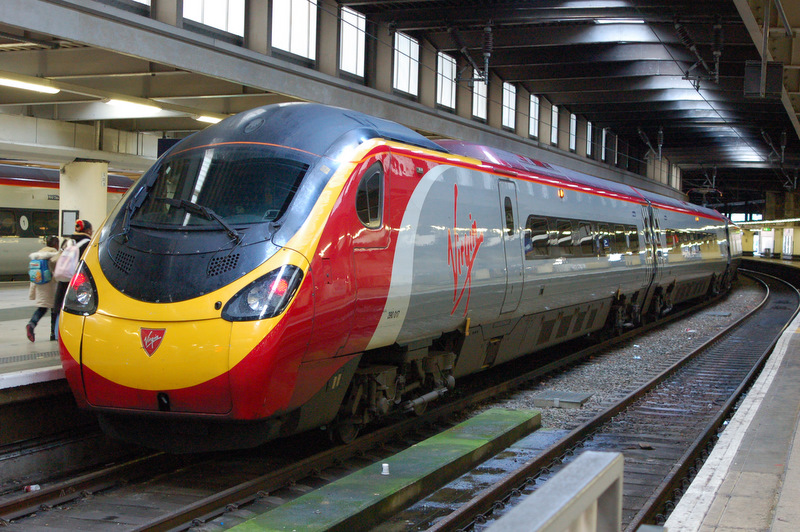
Virgin Trains has taken a major step towards reshaping cross-Channel rail travel after securing regulatory approval to operate services between Amsterdam and London, ending Eurostar’s
long-standing dominance on the route. The decision by the UK’s Office of Rail and Road grants the company access rights that will run from October 2030 until the end of 2040, paving the way for a new era of competition on one of Europe’s busiest international rail corridors.
Under its proposed plans, Virgin intends to launch direct high-speed connections between Amsterdam Centraal and London St Pancras International, with intermediate stops expected in Rotterdam and Brussels. The operator has been authorised to run as many as 20 daily return services across its planned European network, with capacity divided between routes serving Paris, Brussels and Amsterdam.
For decades, Eurostar has been the sole operator linking London with mainland Europe through the Channel Tunnel. Its monopoly has frequently drawn criticism from Dutch travellers, many of whom argue that ticket prices can be significantly higher than comparable air fares. The arrival of a serious competitor is expected to increase pressure on fares and could spark a price battle that makes international rail travel more accessible for passengers on both sides of the Channel.
Despite the breakthrough in Britain, Virgin still faces several regulatory and operational challenges before passengers can book tickets. The company must secure access agreements with Dutch infrastructure manager ProRail and obtain the necessary approvals from authorities in the Netherlands, Belgium and France.
A further hurdle lies in rolling stock. Virgin will need to invest in a new fleet of high-speed trains capable of meeting the Channel Tunnel’s demanding safety requirements, a process that involves extensive certification and testing before commercial operations can begin.
Infrastructure constraints also remain a concern. Amsterdam Centraal is already operating under significant pressure due to ongoing construction work, growing passenger numbers and limited space for international border-control facilities. Integrating a second cross-Channel operator into the station’s timetable and passport-control system will require careful coordination from Dutch rail authorities.
Virgin is not alone in seeking to challenge Eurostar’s position. Italy’s state-owned operator Trenitalia has previously signalled its ambition to expand Channel Tunnel services and explore links connecting major European cities, including Amsterdam and Paris. Meanwhile, low-cost newcomer GoVolta is developing plans for a more affordable, albeit slower, rail service between Amsterdam and Paris, targeting travellers who prioritise price over journey time.
The growing interest from rival operators reflects a wider shift in Europe’s rail market, where liberalisation efforts and rising demand for sustainable transport are encouraging new entrants. If Virgin successfully overcomes the remaining regulatory and infrastructure obstacles, passengers travelling between the Netherlands and the United Kingdom could soon enjoy greater choice, lower fares and increased service frequency than at any point since the Channel Tunnel opened. Photo by Andrew Butcher, Wikimedia commons.