The UK has formally ratified a landmark international treaty aimed at protecting marine life in the vast stretches of ocean that lie beyond national borders.
The Biodiversity Beyond National Jurisdiction (BBNJ) Agreement, widely known as the High Seas Treaty, is designed to strengthen the conservation of marine biodiversity across nearly two-thirds of the world's oceans.
The UK's ratification was completed after the Foreign Secretary signed the necessary legal documents, which were formally deposited with the United Nations in New York on Friday. The move makes Britain one of a growing number of countries to ratify the agreement after being among its first signatories in 2023.
The treaty establishes, for the first time, a legal framework allowing countries to create marine protected areas in international waters. It is intended to safeguard vulnerable ecosystems and species while supporting the sustainable use of marine resources.
The agreement follows more than a decade of international negotiations, in which the UK played a prominent role.
Foreign Office minister Seema Malhotra said the world's oceans were a shared resource that supported livelihoods, food security and biodiversity. She said ratifying the treaty turned international commitments into practical action and demonstrated the UK's commitment to protecting marine habitats for future generations.
Marine Minister Emma Hardy described the ratification as a significant milestone, saying it would provide the global tools needed to establish protected areas beyond national jurisdictions. She said the agreement would help advance the international goal of protecting 30% of the world's oceans by 2030.
The oceans are regarded as vital to global food supplies, oxygen production and climate regulation. Supporters of the treaty say stronger protections will help tackle biodiversity loss while improving the long-term sustainability of marine ecosystems.
The agreement also introduces rules governing the fair sharing of benefits from marine genetic resources found in international waters, which could contribute to advances in medicine, biotechnology, agriculture and scientific research.
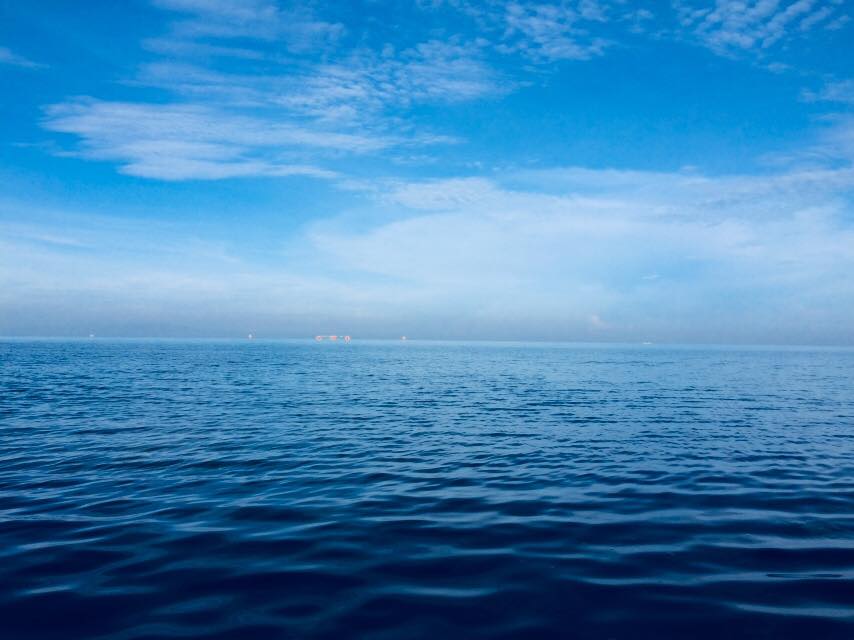
The High Seas Treaty is expected to support wider international biodiversity targets, including commitments made under the Kunming-Montreal Global Biodiversity Framework, while reinforcing the UN Convention on the Law of the Sea as the foundation of global ocean governance. Photo by Rya Halabi, Wikimedia commons.