When Brazil’s president Luiz Inácio Lula da Silva learned that a Rio de Janeiro samba school would honor his life story during Carnival, the moment moved him to tears. Photos later showed
him smiling, proudly holding the school’s flag.
But as the world’s most famous Carnival parade draws near, what began as a cultural tribute has turned into a political flashpoint.
Opposition lawmakers have launched a wave of lawsuits accusing Lula of gaining an unfair advantage through what they call disguised early campaigning, months before Brazilians head to the polls in October. Lula, 78, is seeking a fourth, non-consecutive term as president.
So far, Brazil’s courts have dismissed all but one of the legal challenges. Judges have also rejected requests to block the parade altogether. Still, critics warn more cases could follow if the event is used to solicit votes — something strictly prohibited under Brazil’s electoral law.
Despite the controversy, Lula plans to attend the parade on Sunday night in Rio de Janeiro, according to aides. He will not speak publicly at any point. Whether First Lady Rosângela “Janja” da Silva will participate remains under discussion, sources familiar with government deliberations said.
Art or campaign?
The parade, organized by Acadêmicos de Niterói, traces Lula’s journey from a poor childhood in Brazil’s Northeast to the presidency. It also highlights the life of his mother, Dona Lindu, who moved her family to São Paulo in search of opportunity.
Parade designer Tiago Martins rejected claims that the performance amounts to political propaganda.
“This isn’t campaigning,” Martins said. “It’s the story of a fighter — a man who overcame hardship and made history.”
Opponents see it differently. They point to symbolic references in the parade’s lyrics, including the repeated use of the number 13 — the same number used by Lula’s Workers’ Party on ballots.
“This looks like something you’d expect in a Soviet republic or North Korea — an ode to a great leader,” said opposition lawmaker Marcel van Hattem of the Novo Party, which filed one of the lawsuits.
Behind the scenes
Members of Acadêmicos de Niterói sought Lula’s permission last year before developing the parade. After approval was granted, the president hosted the group for dinner at the Alvorada Palace in September.
As they performed the song written for the parade, Lula reportedly became emotional and broke down in tears. He later said the tribute felt more like an homage to his mother than a celebration of himself.
Inside the presidential palace, aides admit the timing is delicate. As legal pressure mounted, Lula’s team consulted election lawyers to clarify what is permitted during Brazil’s pre-campaign period — and where the line is drawn between culture and politics.
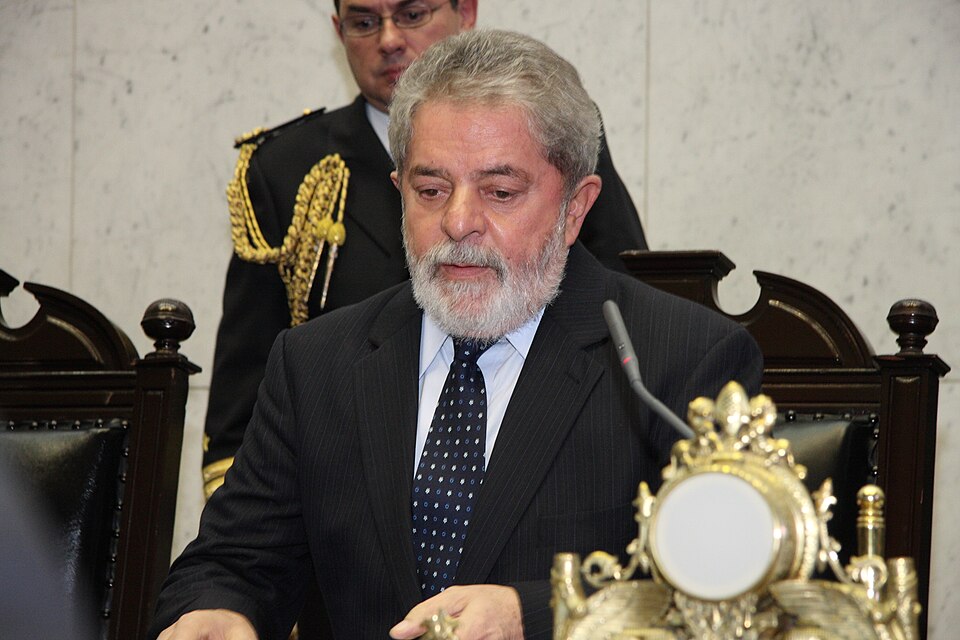
With Carnival lights about to blaze and cameras from around the world focused on Rio, that line may soon be tested again. Photo by Biblioteca (BCN) Congreso Nacional de Chile from Valparaíso, Chile, Wikimedia commons.