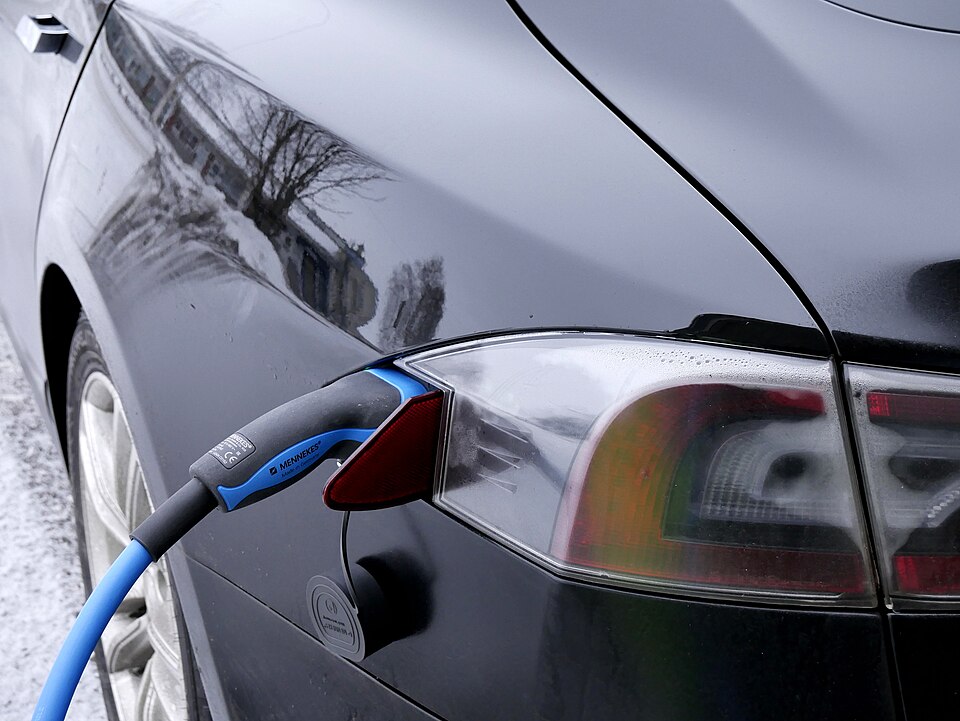
Germany plans to provide families with small and medium incomes subsidies of up to €6,000 ($7,000) for purchasing new electric vehicles, according to a report by the newspaper 'Bild' on
Friday. The move is part of Berlin’s effort to reinvigorate sales in one of the country’s most important industries, which has struggled amid the shift to electric mobility.
German automakers have faced lower-than-expected demand for electric vehicles, making the transition from internal combustion engines more challenging.
The subsidies are expected to range between €1,500 and €6,000, 'Bild' reported, citing the Environment Ministry, although the report did not mention any requirements for local production. Applications can reportedly be submitted retroactively for vehicles registered from January 1, with an online portal for submissions expected to launch in May.
Environment Minister Carsten Schneider was quoted by 'Bild' saying, “The funds are sufficient for an estimated 800,000 vehicles over the next three to four years.” The ministry has declined to officially comment on the report.
Schneider had been scheduled to hold a press conference on Friday morning to present the subsidy details, but the announcement was postponed to Monday without explanation.
Last year, Volkswagen, along with Czech brand Skoda and Spain’s Seat, accounted for most of Germany’s battery-electric vehicle sales, according to official data.
The German coalition government, led by Chancellor Friedrich Merz, had agreed in principle on the new subsidies late last year and earmarked €3 billion for EV incentives from 2026 to 2029. Industry experts expect the measures could lift EV registrations by around 17% this year, pushing numbers close to one million vehicles, according to the VDA auto industry association, which urged a rapid rollout of the subsidies.
However, not everyone is convinced of the subsidies’ effectiveness. Ferdinand Dudenhoeffer, head of the CAR research institute, noted that electric car market share is already steadily increasing due to falling prices. “Subsidies make no economic sense and only place an unnecessary strain on the national budget,” he said. Photo by Santeri Viinamäki, Wikimedia commons.