Russia has made a “proposal” to France regarding the case of French researcher Laurent Vinatier, who has been imprisoned in Russia since June 2024 and now faces espionage charges that
could carry a sentence of up to 20 years, the Kremlin said on Thursday.
Kremlin spokesman Dmitry Peskov confirmed that contacts had taken place between Moscow and Paris and that an offer had been put to the French side, without giving details. “The ball is now in France’s court,” he told reporters.
The announcement raised hopes among Vinatier’s family that he could soon be released. French President Emmanuel Macron’s office said he was “fully mobilised” to secure Vinatier’s freedom as quickly as possible, insisting that the researcher was being held “arbitrarily”.
Vinatier, 49, works for a Swiss conflict mediation NGO. He was sentenced by a Russian court to three years in prison for failing to register as a “foreign agent”, a requirement under Russian law. He has since been hit with fresh allegations of espionage, which his supporters and the French government reject.
His family say Vinatier has become a victim of deteriorating relations between Moscow and Paris following Russia’s invasion of Ukraine. Their lawyer, Frédéric Belot, said a prisoner exchange was a possible outcome but urged caution. Vinatier’s mother, Brigitte, told French television that her son was coping and remained “resilient”.
Western governments have repeatedly accused Russia of detaining foreign nationals to use as leverage in negotiations for the release of Russians imprisoned abroad. Vinatier is among several Western citizens arrested in Russia since February 2022.
Russian President Vladimir Putin said last week that he would look into Vinatier’s case after being questioned by a French journalist, adding that if there was a legal way to resolve the matter “favourably”, Russia would make every effort to do so.
The Kremlin has also said Putin is ready for dialogue with Macron, who has called for Vinatier’s release and dismissed the accusations against him as propaganda that “does not match reality”.
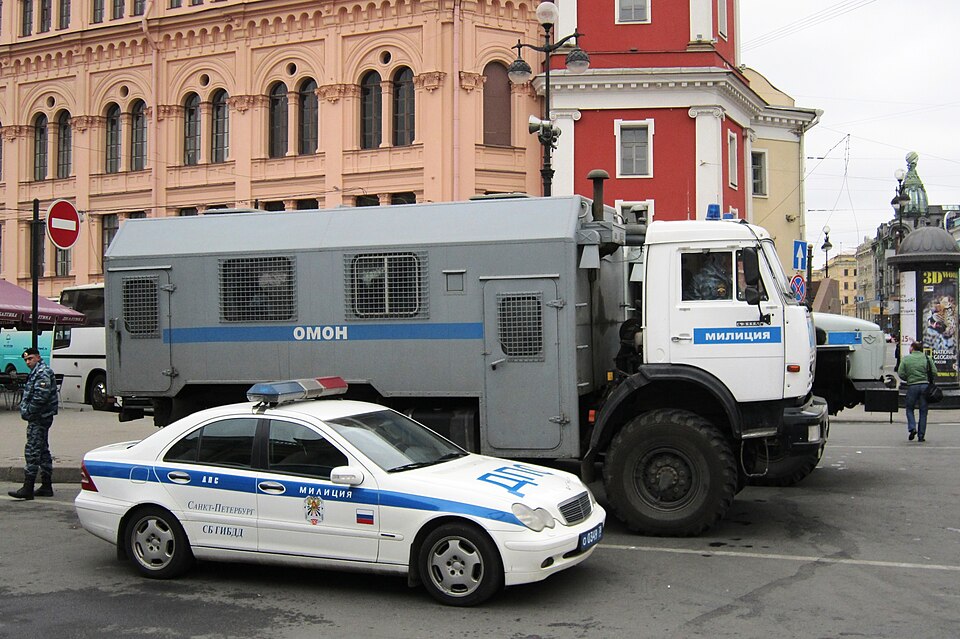
During his initial trial, Vinatier apologised for failing to register as a foreign agent, saying he was unaware of the requirement and insisting that his work sought to present Russia’s interests in international relations. He later said he felt he was being treated as a bargaining chip. Photo by Dickelbers, Wikimedia commons.