Combatting human trafficking and people smuggling was at the centre of UK Development Minister Baroness Jenny Chapman’s three-day visit to Pakistan this week, as both countries deepened
cooperation on migration, security and climate resilience.
Chapman met senior Pakistani officials in Islamabad to review joint efforts to curb illegal migration and serious organised crime—issues the UK says have a direct impact on British communities. She observed how UK-funded training is equipping Pakistani border and immigration officers with the skills to spot vulnerable travellers, identify criminal activity and intervene earlier in smuggling operations.
Delivered through the Home Office’s International Operations unit, the programme aims to disrupt trafficking networks at Pakistan’s borders by improving frontline officers’ ability to detect abuse and intercept offenders attempting to evade justice. Officers also showcased UK-supplied security scanners used to detect illegal or dangerous items moving through the region.
The visit coincided with the launch of a new UK-Pakistan development partnership that will deploy British expertise to support economic growth and climate resilience projects. The initiative forms part of the UK Government’s shift from traditional aid donor to development investor, helping partner countries maximise their own resources while creating opportunities for British businesses.
Pakistan’s recent catastrophic floods—among the most damaging in its history—have heightened concerns about climate vulnerability. With the UK now Pakistan’s third-largest trading partner, disruptions to Pakistan’s economy are felt directly in British markets.
“The UK and Pakistan are working together to stop criminals in their tracks, ensuring they face justice rather than making their way to our shores,” Chapman said. “Equipped with UK training and intelligence sharing, Pakistani border officials can now better spot and detain people at the border, as part of a region-wide effort to crack down on human trafficking.”
She added that climate shocks such as extreme flooding threaten lives, hinder economic development and damage critical infrastructure. “British expertise will help Pakistan strengthen its adaptation to climate change and improve resilience to extreme weather,” she said.
Chapman also highlighted the deep people-to-people links between the two countries, noting that more than 1.6 million British citizens are of Pakistani descent.
Talks with Prime Minister Shehbaz Sharif covered joint migration efforts, economic cooperation and climate adaptation. UK officials say the partnership will help address the drivers of illegal migration, bolster Pakistan’s climate defences and support sustainable trade.
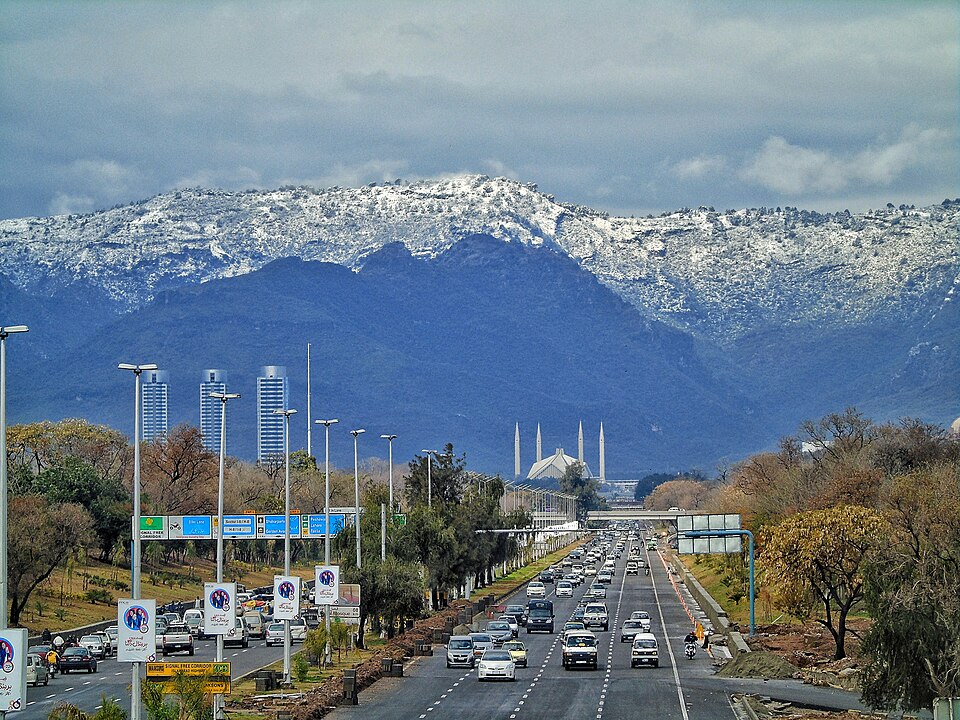
During the trip, Chapman launched the next phase of an education agreement expected to increase investment in the British education sector. The arrangement will promote UK university qualifications in Pakistan, allowing students to obtain British degrees without studying abroad. Photo by Fassifarooq, Wikimedia commons.