Britain's Crown Estate posted a 13% decline in annual net operating profit for the 2025/26 financial year, as income from offshore wind leasing eased after a record-breaking surge in
previous years.
The estate, which manages the monarch's public property portfolio, including much of the UK's seabed, reported net operating profit of £1.245 billion ($1.64 billion), down from the previous year. The decline was largely driven by lower revenues from offshore wind lease option payments as major Round 4 projects advanced from the leasing phase into construction.
The Crown Estate generated around £875 million from offshore wind option fees, significantly less than a year earlier when developers paid higher upfront fees after securing seabed rights in the landmark 2021 Round 4 auction. Once construction begins, developers transition to lower ongoing payments, reducing annual revenue.
The estate transfers the majority of its profits to the UK Treasury, which uses a formula linked to Crown Estate earnings to determine funding for the royal household with a two-year delay. Treasury receipts fell to £487 million during the financial year from around £1.1 billion in the previous period.
Despite the drop in offshore wind income, the Crown Estate's underlying business remained resilient. Excluding Round 4 leasing fees, operating profit increased 5% to £370 million, while the value of its property portfolio rose to £14.5 billion from £13.4 billion a year earlier.
Chief Executive Dan Labbad said future offshore wind leasing rounds are unlikely to generate the exceptionally high option fees seen in Round 4, citing a much tougher market environment.
"We're in a very, very different market environment," Labbad told reporters.
The offshore wind industry has faced rising development costs since 2021, while policy uncertainty has also increased following efforts by U.S. President Donald Trump to curb offshore wind expansion and criticism of the sector.
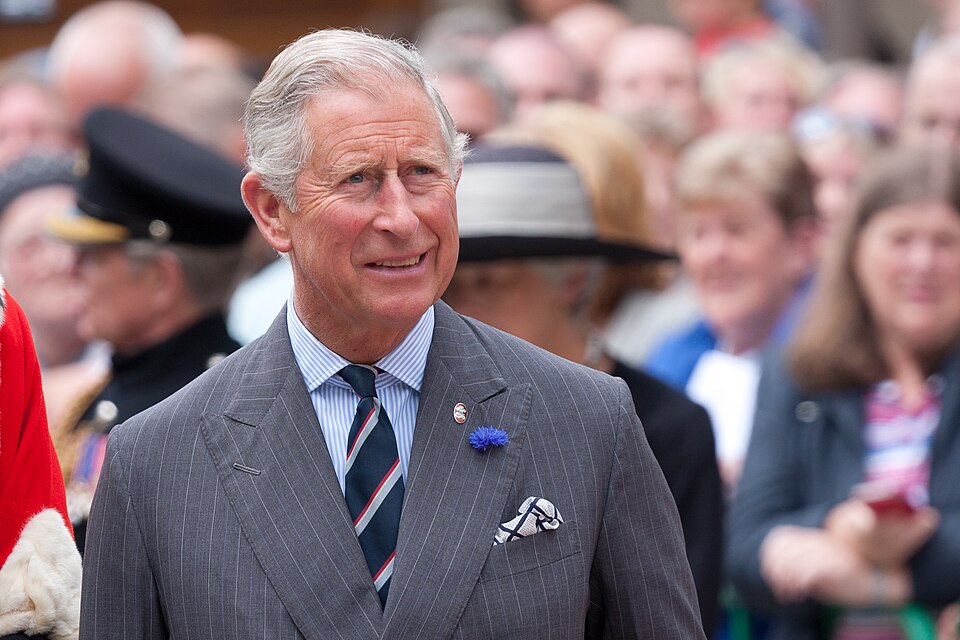
Looking ahead, the Crown Estate plans to launch a new offshore wind leasing round next year. The organisation also recently gained greater flexibility to retain more of its earnings to support investment in future projects, rather than transferring nearly all profits directly to the Treasury. Photo by Dan Marsh, Wikimedia commons.