The UK government has announced plans to introduce tougher rules aimed at preventing everyday consumer products from contributing to illegal deforestation around the world.
Unveiled during London Climate Action Week, the proposed measures would require businesses trading in commodities linked to rainforest loss—including soy, palm oil, cocoa and rubber—to conduct mandatory checks on their supply chains. The products are widely used in goods sold across British supermarkets, from chocolate and cooking oils to cosmetics and personal care items.
The government said the new framework would be implemented through powers available under the Environment Act, alongside strengthened legislation governing timber imports.
Ministers argue that stronger regulation is necessary despite significant voluntary efforts already undertaken by businesses. Several major supermarket chains have also called for mandatory standards to ensure greater consistency across the sector.
Environment Minister Mary Creagh said tackling deforestation remains one of the most effective ways to address climate change and protect biodiversity.
“Eliminating products linked to illegal deforestation not only helps to protect precious ecosystems but is good for our collective resilience and long-term prosperity,” she said.
The move comes amid growing concern over the environmental impact of global commodity supply chains. According to government figures, UK consumption of agricultural commodities was linked to approximately 29,000 hectares of deforestation worldwide in 2023—an area around one-and-a-half times the size of Manchester—and generated an estimated 9.4 million tonnes of associated carbon emissions.
Forests play a critical role in storing carbon and supporting biodiversity, yet around 90% of global deforestation is driven by agricultural expansion, much of it connected to internationally traded commodities.
Industry groups welcomed the announcement. Andrew Opie, Director of Food and Sustainability at the British Retail Consortium (BRC), said retailers had long supported the introduction of UK deforestation regulations and called for close alignment with European Union rules to avoid unnecessary costs and complexity.
Environmental organisations also urged swift implementation. WWF's Director of Advocacy, Gavin Crowden, warned that the destruction of tropical forests poses risks beyond the environment, affecting food security, climate stability and economic resilience.
The government plans to launch a consultation later this year involving businesses, civil society groups and international partners. The consultation will examine the design of mandatory due diligence requirements and proposals to strengthen existing timber regulations.
In Northern Ireland, the EU Deforestation Regulation (EUDR) will begin taking effect in phases from 30 December 2026, reflecting the region’s unique access to both UK and EU markets. To reduce administrative burdens and protect the UK internal market, ministers intend to align the proposed Great Britain regime with the core commodity coverage and information requirements of the Northern Ireland system.
Looking ahead, the government said its long-term ambition is to move beyond tackling illegal deforestation and towards a fully deforestation-free standard, requiring relevant products to be produced without any connection to forest loss.
The measures form part of the UK’s commitments under the Glasgow Leaders’ Declaration on Forests and Land Use, agreed at COP26, which aims to halt and reverse global forest loss by 2030.
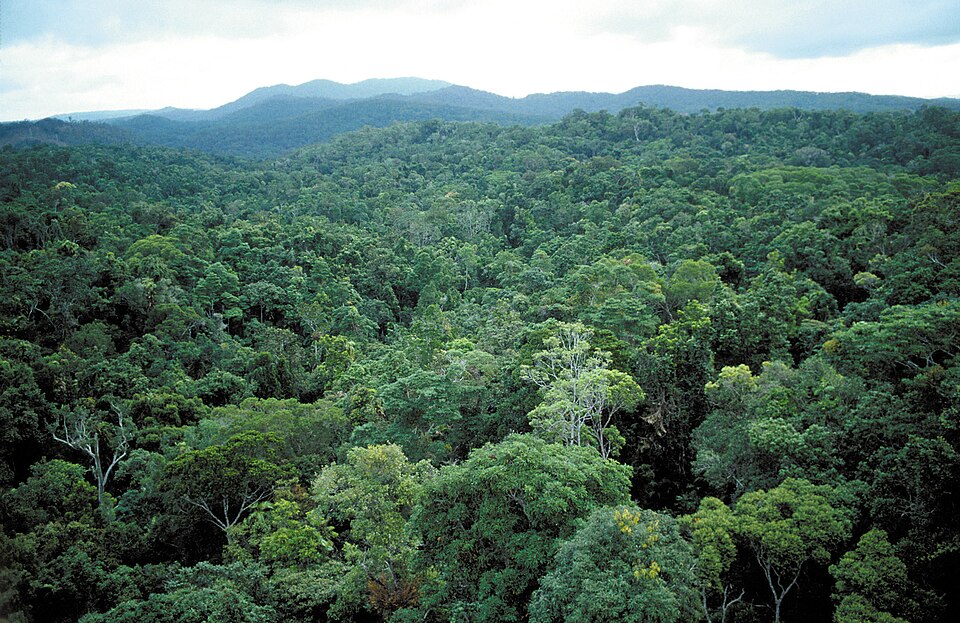
Further details of the consultation and implementation timetable are expected later this year. Photo by CSIRO, Wikimedia commons.