




















When emergencies strike—whether floods, power cuts or disease outbreaks—the impacts are rarely felt equally. While crises can disrupt daily life for everyone,
some people face far greater risks and long-term consequences. The Covid Inquiry made this clear, showing that during the pandemic, differences in vulnerability were not always fully understood or addressed.
Traditionally, emergency planning has focused on people already identified as vulnerable. This often includes older people, those with disabilities, serious illnesses, or individuals who rely on medical equipment. Many are registered on support schemes such as Priority Service Registers held by energy or water companies, which help providers offer targeted assistance during disruptions.
But vulnerability is not static. It can change rapidly depending on circumstances, timing and the nature of the emergency itself. A person who is not considered vulnerable in everyday life may become so during a crisis. As a result, existing lists can never fully capture everyone who may be disproportionately affected. To build real national resilience, government departments need to look beyond fixed categories and consider the wider social impacts of emergencies.
Turning research into practical guidance
In response to the UK’s 2025 Resilience Action Plan, the Government Office for Science’s Social and Behavioural Science team set out to tackle this challenge. They conducted a wide-ranging review of research into social vulnerability during disasters and emergencies, working closely with academic experts to test and refine the evidence.
Crucially, the team also collaborated with practitioners on the ground—including emergency responders and local resilience teams—to ensure the findings translated into guidance that works in real-world settings, not just on paper.
Working in partnership with the Cabinet Office, the team produced clear, practical guidance designed to help emergency planners identify who may be most affected during a crisis, and why. The guidance draws on the best available social and behavioural science to support more inclusive and effective decision-making.
Looking beyond the immediate emergency
One of the key strengths of the guidance is its focus on secondary impacts—the knock-on effects that can cause serious harm even when people are not directly exposed to the original hazard. These impacts are often overlooked but can be just as damaging.
Examples include patients whose routine healthcare is disrupted during a public health emergency, such as delayed cancer screenings during COVID-19, or children whose families lose access to welfare payments following a cyber incident. In these cases, the harm arises not from the emergency itself, but from the wider consequences of how systems respond.
The guidance encourages planners to think beyond pre-existing vulnerability lists, make better use of data and expert insight, and consider the unintended consequences of response actions. By doing so, it helps government anticipate risks that might otherwise remain invisible.
Science at the heart of resilience
By applying social and behavioural science to emergency planning, government and emergency services can better understand who is at risk and take steps to reduce harm before crises escalate. This work places evidence, insight and lived experience at the centre of resilience planning—ensuring that support reaches those who need it most, when it matters most.
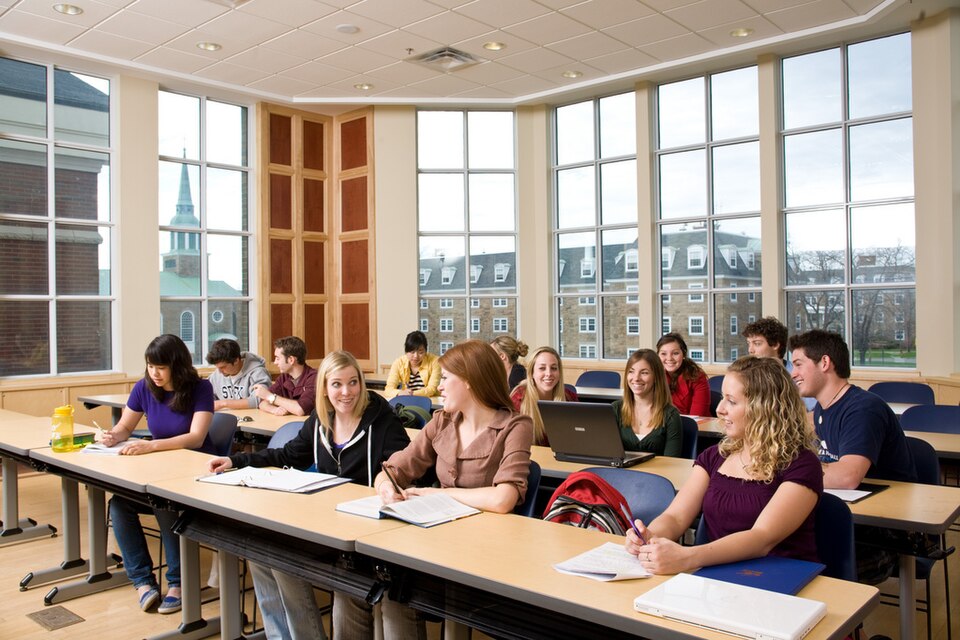
In an increasingly uncertain world, building resilience is not just about responding to emergencies. It is about understanding people, communities and the complex ways crises affect lives—and using science to protect them. Photo by StFX, Wikimedia commons.