A steep decline in pupil numbers across London is threatening school budgets, staff levels and curriculum breadth, with councils warning that education standards
could be put at risk unless government support improves.
New figures from London Councils show that falling demand for school places could strip £45 million from London schools over the next four years, as fewer children enter classrooms and funding drops with them.
Secondary schools now hit harder than primaries
For more than a decade, London’s primary schools have seen pupil numbers decline. That trend is now feeding directly into the secondary sector, with the latest data revealing a sharper fall in demand for Year 7 places than for reception places for the first time.
According to the School Capacity Survey (SCAP), which collects data from all 32 London boroughs, demand is forecast to drop by 3.8% for Year 7 places and 2.5% for reception places between 2025/26 and 2029/30.
Inner London is facing the most acute pressure. Over the next four years, demand for Year 7 places there is expected to fall by 7.6%, while reception places are forecast to decline by 6.4%.
£45m funding gap looms
Because school funding is allocated on a per-pupil basis, fewer children directly translate into smaller budgets. London Councils estimates that the projected fall in pupil numbers could lead to £15 million in lost funding for primary schools and £30 million for secondary schools.
Councils say the financial impact is already being felt. Around 90 schools have closed or merged in London over the past five years, while others have reduced their Published Admission Numbers in an effort to stay financially viable.
Staff cuts and narrower curriculum
School leaders warn that shrinking budgets are forcing difficult decisions that affect pupils’ day-to-day education. With less money coming in, schools are increasingly cutting teaching and support staff, reducing subject choices and scaling back extra-curricular activities.
More than half of secondary school leaders nationally have already reduced staffing levels, and many are limiting GCSE options, enrichment programmes and school trips as cost-saving measures.
Education leaders fear that without intervention, falling rolls could widen inequalities, restrict opportunities for young people and undermine London’s ambition to provide a high-quality, inclusive education system.
Call for government action
London Councils is urging the government to recognise the capital’s unique pressures and ensure schools receive sustainable, long-term funding, even as pupil numbers fluctuate.
London Councils’ Executive Member for Children and Young People, Cllr Ian Edwards, said:
“Maintaining high education standards is the absolute priority for London’s boroughs, but falling pupil numbers are putting real pressure on school budgets. Boroughs are doing all they can locally to manage this whilst ensuring London’s education estate is protected, so school sites can continue to meet future need - particularly given the capital’s acute housing pressures and ambitious targets for housing growth. Without action to reflect London’s circumstances, schools risk having to narrow the curriculum and reduce vital support for pupils.”
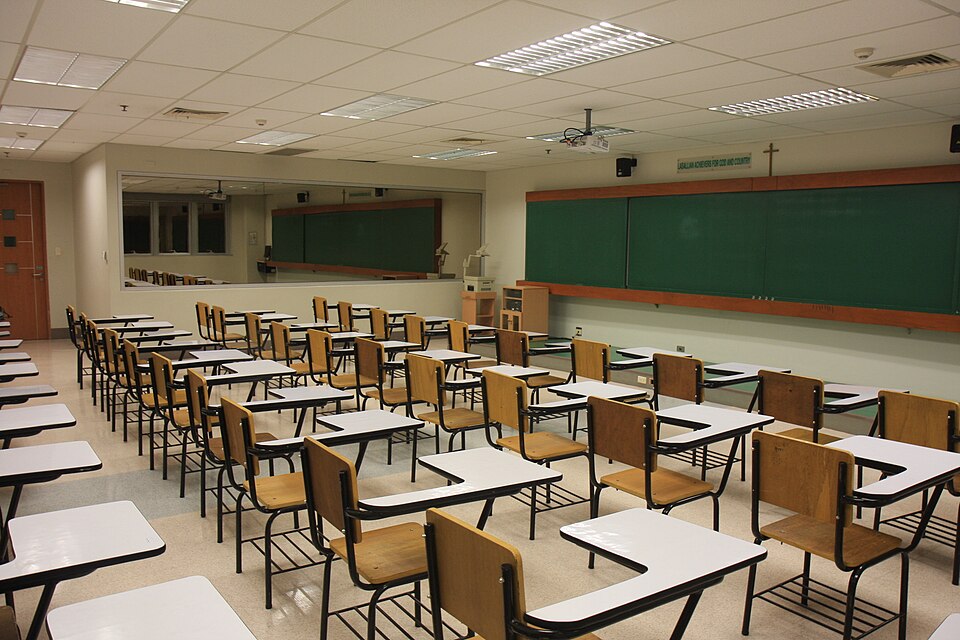
London Councils is calling on ministers to work closely with councils and education partners to support secondary schools in particular, with a focus on protecting curriculum breadth, enrichment opportunities and inclusive special educational needs provision. Photo by Malate269, Wikimedia commons.