Transport for London (TfL) has begun a 12-month trial of newly designed bus shelters across the capital, aiming to improve accessibility, safety and the overall
waiting experience for millions of passengers.
The new shelters are being rolled out at 27 locations across London, with the first installations appearing in late January. Boroughs included in the trial range from Camden and Hackney to Croydon, Lambeth, Wandsworth and the City of Westminster.
The initiative forms part of TfL’s wider Bus Action Plan, which seeks to encourage more Londoners to travel by bus and supports the Mayor of London’s ambition for 80 per cent of journeys to be made by public transport or active travel by 2030.
Modern design to improve safety and comfort
TfL’s bus network carries more than five million passengers every day, but many existing shelters differ widely in age, condition and design. According to TfL, this has led to an inconsistent experience for customers, particularly those with mobility needs or safety concerns.
The new trial introduces a more modern and sustainable design, intended to create a clearer and more recognisable identity that fits with London’s iconic bus network. Across the trial sites, TfL is testing two shelter designs and four different feature configurations, allowing engineers and planners to assess what works best in different environments.
Key improvements include:
- Brighter lighting, designed to improve visibility for passengers and bus drivers, while helping people feel safer, especially after dark
- Improved seating, with a more comfortable and accessible layout for customers with mobility impairments
- Priority spaces, including dedicated seating and waiting areas clearly marked for those who need them most
- Stronger, anti-vandalism materials, making shelters easier to maintain and quicker to repair
- A new roof design, featuring reflective red vinyl to enhance visibility at night and reinforce the red bus brand
- CCTV cameras, installed at 10 locations to assess their impact on safety and crime prevention
Focus on accessibility and feedback
TfL has worked closely with campaign groups and charities to develop the new designs. Organisations involved include disability focus groups, the RNIB, the Suzy Lamplugh Trust and London TravelWatch.
Their feedback helped shape the shelters to ensure they meet high standards of accessibility, safety and usability. TfL says passenger feedback during the trial will be carefully reviewed and used to inform the future design of bus shelters across London.
New shelters where none existed before
Alongside upgrading existing shelters, TfL is also addressing stops that currently offer no protection from the weather. Around 20 new Landmark London shelters are being installed at some of the busiest bus stops on the network that previously had no shelter at all. A further 11 refurbished shelters are being redeployed to other unsheltered locations.
TfL is responsible for maintaining most of London’s 14,000 bus shelters, with teams working around the clock to keep them clean, well-lit and safe, tackle graffiti and ensure passenger information is up to date.
CCTV trials show positive results
The bus shelter CCTV trial builds on earlier work carried out with the Metropolitan Police. In 2024, CCTV was installed at 20 bus shelters across London, with a particular focus on improving safety for women and girls.
Initial results were encouraging: 80 per cent of women surveyed said CCTV made them feel safer, while 73 per cent said they would be more likely to travel by bus as a result. TfL will continue evaluating how CCTV supports police investigations and whether it helps reduce crime levels in surrounding areas.
TfL and City Hall response
Carl Eddleston, TfL's Director of Streets and Network Operations, said: "This initiative reflects our commitment to creating a bus network that feels safer, more welcoming and easier to use. By modernising our infrastructure, we're ensuring that Londoners benefit from spaces that truly support their daily journeys. These upgrades allow us to rethink how our shelters serve the city and help us shape the future of public transport. We are keen to hear directly from those who use these shelters so we can incorporate their feedback into future designs."
Seb Dance, London's Deputy Mayor for Transport, said: "The Mayor and I are committed to making sure our transport network is safe and seamless for everyone to use, so that Londoners and visitors can make the most of all our fantastic city has to offer. We're pleased to see TfL working to improve accessibility and safety across the bus network, trialling innovative new approaches to ensure passengers have the best possible journeys, as we continue building a fairer and better London for all."
Michael Roberts, CEO of London TravelWatch, said: "Many people - particularly women and girls - can feel unsafe waiting at bus shelters after dark, so better lighting and CCTV will go a long way to help them feel more safe and secure. We know that buses are a vital mode of transport for many people, so this is a positive way to encourage people to use them more and make them feel a lot safer and comfortable when they do so. Our recent street space research also found that a third of Londoners wanted better places to sit and rest, so more comfortable bus shelters will no doubt be welcomed by many people, and particularly those with mobility issues. We'll be looking out for the new bus shelters and look forward to seeing the results of the trial."
Part of a wider bus network upgrade
The shelter trial sits alongside wider improvements to London’s bus network, including the rollout of zero-emission buses, investment in bus lanes, smarter traffic signals and better real-time information at stops.
TfL’s Superloop express bus network continues to expand, adding more than eight million kilometres per year to the capital’s bus network and helping make bus travel faster and more reliable.
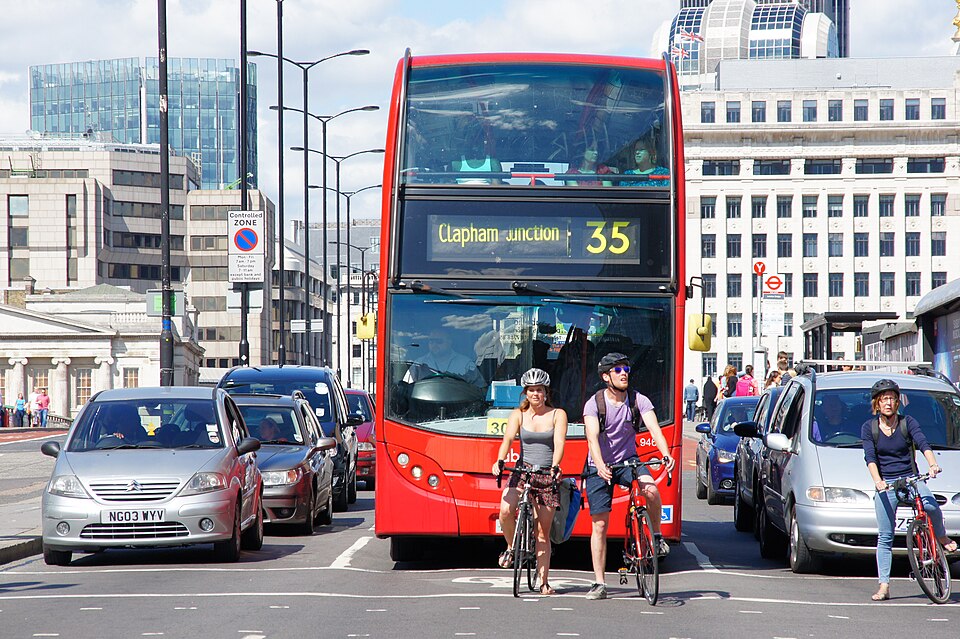
TfL says the results of the shelter trial will play a key role in shaping the future look and feel of bus stops across London — with passenger feedback central to the final designs. Photo by Chris Sampson, Wikimedia commons.