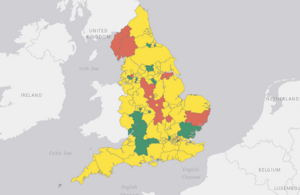
Drivers across England can now see, at a glance, how well their local council is dealing with potholes after the government unveiled a new red, amber and green rating
system for road repairs.
Published today (11 January 2026), the interactive map grades all 154 local highway authorities on the condition of their roads and how effectively they are using a record £7.3 billion of government funding to tackle the long-running pothole problem.
It is the first time councils have been publicly rated in this way, giving motorists clear insight into which areas are fixing roads properly – and which are falling behind.
How the new pothole ratings work
Each local highway authority (LHA) has been rated red, amber or green based on three key measures:
- the overall condition of local roads
- how much is being spent on road maintenance and repairs
- whether councils are following best practice, including long-term preventative maintenance
The traffic-light system is designed to highlight good performance, encourage improvement and bring greater transparency to how public money is being spent.
Record funding aimed at long-term fixes
The ratings follow the government’s announcement of a record £7.3 billion multi-year investment in local road maintenance, giving councils the long-term certainty they have long called for.
Instead of relying on short-term, costly patch-ups, councils are being encouraged to invest in preventative measures that stop potholes forming in the first place. The aim is not just smoother roads, but real savings for drivers. On average, motorists pay around £320 to repair damage caused by potholes, with some facing bills of more than £1,000 last year.
Councils leading the way – and those lagging behind
Authorities rated “green”, including Leeds, Sandwell and Manchester, showed strong performance across all areas. They are investing heavily in their road networks, maintaining good overall road conditions and prioritising long-term solutions over repeated pothole repairs.
“Amber” councils demonstrated some of these qualities but still have room for improvement, while “red”-rated authorities are not yet meeting expected standards. This may be due to poor road conditions, limited investment or a lack of clear plans to prevent potholes in the future.
Support – and consequences – for underperforming councils
To help raise standards, councils rated red will receive targeted support worth £300,000, including expert planning advice and peer reviews from sector specialists.
However, there are also incentives to improve. Access to future funding will be linked to performance, meaning councils that fail to act risk losing full allocations. The government has made clear that taxpayer money must be spent efficiently and deliver visible improvements on the ground.
Transparency measures are already in place. This year, 25% of a £500 million funding uplift was withheld until councils published reports explaining how they follow best practice. The £125 million was only released once those requirements were met.
Innovation and safer roads
Alongside the ratings, the government has confirmed it will extend the Live Labs 2 programme for another year. Councils can access up to £300,000 each to trial innovative, longer-lasting and lower-carbon materials that reduce the need for repeat repairs, cut emissions and limit disruptive roadworks.
The announcement comes in the same week as the launch of the first national Road Safety Strategy in over a decade, aimed at saving lives through tougher action on drink-driving, better training for young drivers and mandatory eye tests for older motorists.
What it means for drivers
For the first time, drivers can clearly see how well their council is performing – and hold it to account.
With record funding on the table and public ratings now visible to all, the message is clear: smoother, safer roads are expected, and councils will be judged on whether they deliver.
Transport Secretary Heidi Alexander said: ‘For too long, drivers have paid the price because our roads were left to deteriorate. I have heard time and again their frustration on footing the bill because they hit a pothole – money they should never have to spend in the first place.
We’ve put our money where our mouth is, increasing the funding for local highway authorities with £7.3 billion to fix roads and given them the long-term certainty they have been asking for. Now it’s over to them to spend the money wisely, and for the first time, we are making sure the public can see how well councils are doing in delivering the improvements they want to see in their local area.
This government’s record investment will save drivers money on repairs, make roads safer and help restore pride in our communities’.
Edmund King, AA president and founding member of the Pothole Partnership, said:
“The top transport demand for 96% of AA members is fixing potholes with increased investment in repairing and upgrading roads.
We welcome this government initiative to hold local highways authorities to account, which should help to promote the Pothole Partnership objective of more proactive and permanent repairs”.
Caroline Julian, Brand and Engagement Director of British Cycling and founding member of the Pothole Partnership, said:
“For cyclists, potholes are far more than an annoyance. One unexpected impact can cause a serious crash, life-changing injury or, in the worst cases, a fatality. Safe riding depends on safe roads, and a smooth, well-maintained surface isn’t a luxury for cyclists, it’s essential for their safety.
This new mapping tool is a step forward. It gives riders clear insight into how well their council is maintaining the routes they rely on every day, whilst holding decision-makers to account”.
RAC Head of Policy, Simon Williams, said:
“These new ratings are a positive move that will help drivers understand how councils are performing when it comes to improving the state of local roads. While there are examples of good road maintenance practice taking place, this isn’t consistent across the country and means drivers have, for too long, been left with substandard roads.
We hope this initiative, plus the promise of longer-term funding for councils to allow them to plan and carry out much-needed preventative maintenance, means we’re finally on the way to having smoother, better roads.’
Kerry Winstanley, Managing Director of Local Council Roads Innovation Group (LCRIG), said:
“The release of the national ratings provides a clear opportunity to target support and strengthen the local road network where it is most needed.
For many years, highways authorities have worked hard to maintain roads despite declining budgets and resources and the ratings, released alongside record multi-year investment, will enable authorities to benefit from additional support and increase investment in preventative maintenance, while continuing collaborative work supported by LCRIG, including sharing best practices, adopting innovative solutions, and working towards a nationally green-rated road network”.