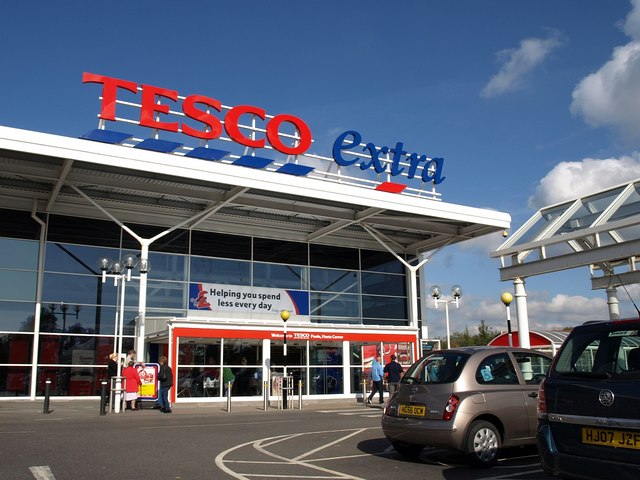
Britain’s biggest supermarket chains are beginning to notice a subtle but potentially significant shift in consumer behaviour, as the rapid rise of appetite-suppressing
weight-loss drugs starts to influence how people shop for food.
Retail executives and industry analysts say the growing use of glucagon-like peptide-1 (GLP-1) medications — originally developed to treat diabetes but now widely prescribed for weight loss — is having a measurable impact on food sales. Estimates suggest that around 5% of the UK’s adult population is now taking these drugs, a figure that has climbed sharply over the past year.
While the change is not yet dramatic, early signs indicate that shoppers using appetite-suppressing medications are buying less food overall, particularly in categories associated with snacking, confectionery and impulse purchases. Some retailers have reported slower growth in high-calorie products, while demand for smaller portion sizes and healthier options appears to be holding up better.
Industry insiders say the trend reflects how GLP-1 drugs work. By reducing hunger and increasing feelings of fullness, the medications often lead users to eat fewer meals, snack less frequently and rethink their grocery choices altogether. For supermarkets that rely heavily on volume sales, even modest changes in consumption patterns can add up over time.
Food retail bosses have so far been cautious in their public comments, stressing that inflation, cost-of-living pressures and changing lifestyles are also influencing shopping habits. However, several analysts believe appetite-suppressing drugs could become a longer-term structural challenge for the sector if adoption continues to rise.
“If usage keeps expanding beyond early adopters, this could gradually reshape how much food people buy and what they put in their baskets,” one retail analyst noted. “It’s not a cliff-edge moment, but it is a trend supermarkets can’t afford to ignore.”
Manufacturers are also watching closely. Brands that rely on large portion sizes or frequent consumption may need to adapt their product ranges, while companies focused on nutrition, protein-rich foods and functional products could find new opportunities.
For now, the impact remains at an early stage. But as weight-loss drugs become more accessible and socially accepted, Britain’s grocery industry may be entering a period of quiet but lasting change — driven not by price wars or promotions, but by a medical shift in how hungry the nation feels. Photo by Derek Harper, Wikimedia commons.