King Charles will confront Britain’s historical role in the transatlantic slave trade during an upcoming Caribbean tour, but Buckingham Palace has ruled out any formal apology
or commitment to reparations.
The King and Queen Camilla are due to visit the Bahamas and Guyana before travelling to Antigua and Barbuda for the Commonwealth Heads of Government Meeting (CHOGM), scheduled for November 1–4. The tour comes as Caribbean and African countries intensify calls for former colonial powers to acknowledge the consequences of slavery and consider financial reparations.
The question is expected to feature prominently at the Commonwealth summit. However, the British government has repeatedly rejected calls for reparations, while Buckingham Palace stressed that decisions on compensation or a formal apology rest with governments rather than the monarch.
A palace spokesperson said the royal visit would not avoid difficult discussions surrounding Britain’s colonial past and the legacy of the slave trade.
“There are important discussions taking place in various fora about colonial legacy and the intergenerational impact of the transatlantic trade in enslaved persons,” the spokesperson said, describing the visit as taking place at an important moment in relations between Britain and the Caribbean.
The palace said the programme would acknowledge what Charles has previously called “the darkest days of our past”, while focusing primarily on the present and future of the countries he will visit.
The transatlantic slave trade operated for several centuries, with an estimated 12.5 million Africans forcibly transported across the Atlantic. British merchants and ships are estimated to have been responsible for transporting around 3.2 million enslaved Africans, making Britain the second-largest European participant after Portugal.
Charles, who is head of the Commonwealth, an organisation of 56 countries representing about 2.7 billion people, has previously spoken of his sorrow over the suffering caused by slavery. He has also supported research into the British royal family's historical connections to the slave trade.
The issue has gained renewed momentum in the Caribbean. Jamaica's government recently asked Charles to obtain legal advice on whether Britain could be held responsible for reparations, saying it was encouraged by the palace's willingness to engage with the historical issue.
Buckingham Palace pointed to Charles's longstanding efforts to recognise historical injustices and address inequalities that continue to affect communities today.
“Opportunities will be found during the visit to reflect and renew his personal, wholehearted, and continuing commitment to that process,” the spokesperson said.
The debate is also gaining prominence within the wider Commonwealth. Commonwealth Secretary-General Shirley Botchwey said earlier this year that she expected member states to make progress towards discussions on reparations.
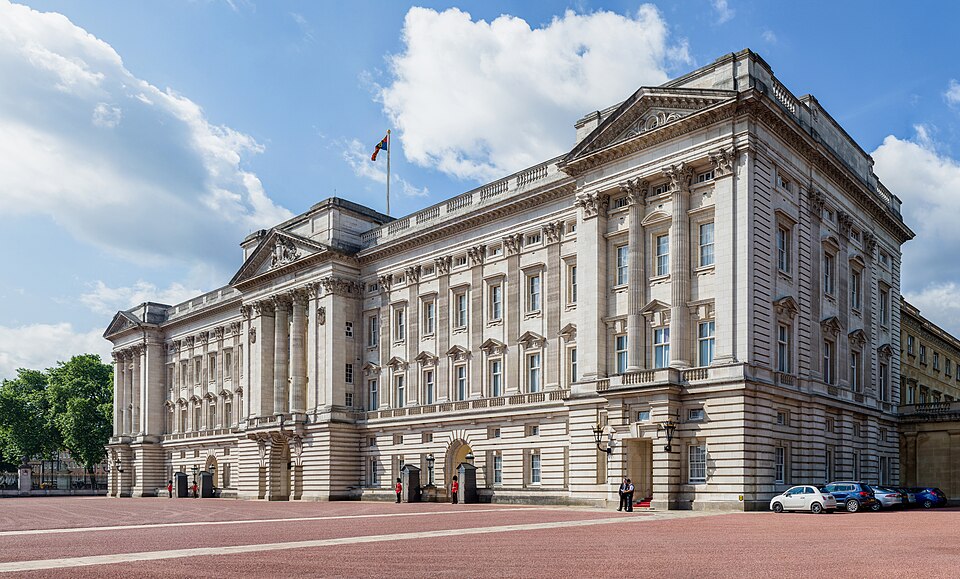
The King's visit is therefore likely to balance two competing priorities: acknowledging Britain's historical responsibility for slavery while avoiding a formal apology or financial commitment that remains a matter for the UK government. Photo by Diliff, Wikimedia commons.