Marks & Spencer is broadening its relationship with German online fashion platform Zalando, giving the retailer a new route to scale its direct-to-consumer business across continental
Europe.
Under the expanded arrangement, Zalando will handle fulfilment for M&S online orders in 22 European markets, allowing the British retailer to rely on Zalando’s established logistics infrastructure for deliveries and returns.
M&S said the agreement is designed to make its international e-commerce operation more efficient by shortening delivery times, simplifying returns and potentially cutting logistics costs by up to 50%.
The partnership was first announced in November 2025. It was initially tested in Poland earlier this month before being extended across the wider European market.
The rollout includes some of M&S’s most important overseas online markets, among them France, Germany, the Netherlands and Spain. The company sees international digital sales as an increasingly important part of its growth strategy, with demand for its fashion ranges continuing to build outside the UK.
For Zalando, the agreement adds another major international retail brand to its fulfilment network and strengthens its role as a logistics provider for fashion companies seeking to expand their online reach without building their own infrastructure in every market.
M&S has been rebuilding its business after a difficult financial year. In May, the retailer said it expected to return to profit growth in 2026/27 after underlying profit fell sharply in the previous year. The downturn was partly linked to a major cyberattack that disrupted operations, affected sales and put pressure on margins.
The company has nevertheless continued investing in its digital and international operations, particularly in fashion, where it has sought to strengthen its position as a modern, premium high-street brand.
The expanded Zalando arrangement is expected to support that strategy by allowing M&S to reach European customers more efficiently while limiting the cost and complexity associated with operating separate fulfilment networks across multiple countries.
The move also highlights the growing importance of partnerships between traditional retailers and specialist e-commerce and logistics platforms as companies look for ways to expand internationally without taking on the full infrastructure costs themselves.
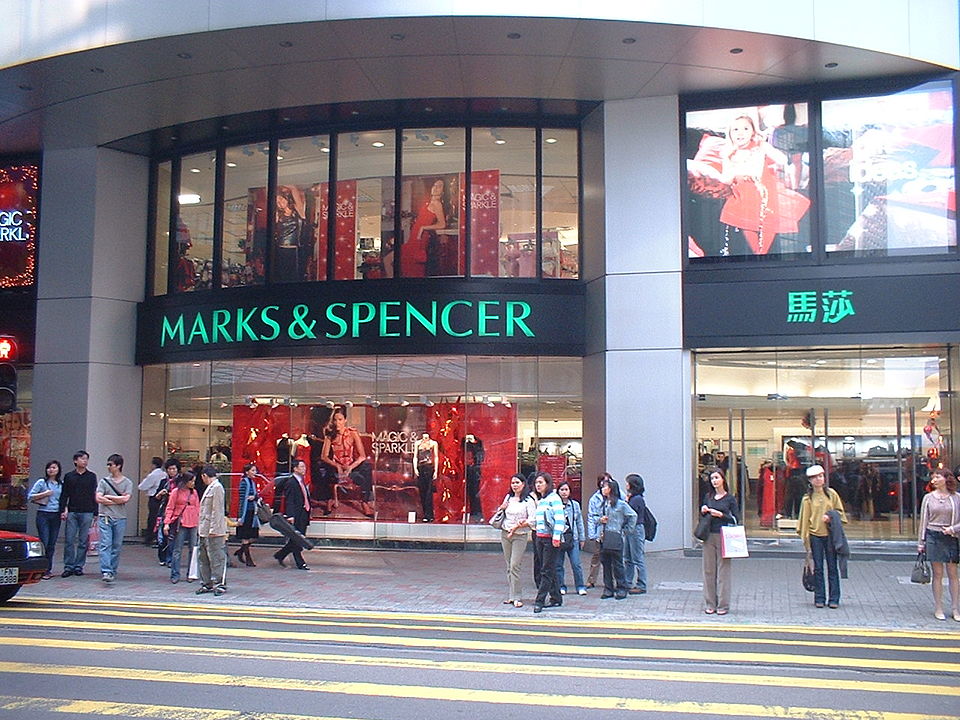
For M&S, the European rollout represents another step in its effort to turn growing overseas demand for its fashion products into a larger and more profitable online business. Photo by mailer_diablo, Wikimedia commons.