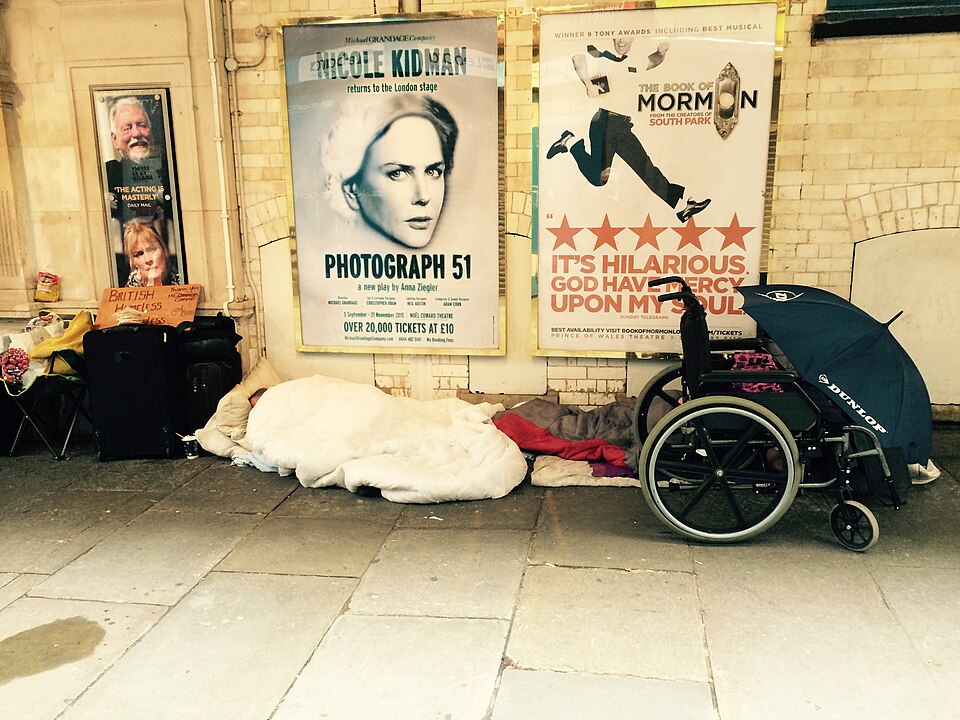
The UK government will repeal the Vagrancy Act on 29 June 2026, bringing an end to nearly 200 years of legislation that has criminalised rough sleeping and begging in England and Wales.
First introduced in 1824, the Act has long been criticised by homelessness charities and campaigners for treating homelessness as a criminal offence rather than a social issue. Ministers say its repeal marks a shift away from punitive measures towards prevention and long-term support.
The move forms part of the government's National Plan to End Homelessness, backed by £3.6 billion over the next three years. The strategy aims to halve long-term rough sleeping and end the use of bed-and-breakfast accommodation for families by the end of the current Parliament.
The government is also investing £39 billion in social and affordable housing over the next decade, describing it as the largest long-term commitment to the sector in a generation. According to ministers, starts on social and affordable housing have increased by 35% since 2024, while completions have continued to rise this year.
Housing Secretary Steve Reed said repealing the Act reflects a change in approach to homelessness.
"Homeless people are not criminals, they are people who need help," he said. "By repealing the outdated Vagrancy Act, we are shifting from punishment to prevention, alongside our investment to tackle homelessness for good."
Homelessness Minister Alison McGovern described the repeal as "long overdue", saying it reflected "a modern understanding of homelessness" focused on support, prevention and helping people secure permanent housing.
The Vagrancy Act was originally introduced following the Napoleonic Wars and the Industrial Revolution, when homelessness increased sharply. Although its use has declined significantly in recent decades, critics argued it continued to allow authorities to move rough sleepers on rather than address the causes of homelessness.
As part of the National Plan to End Homelessness, the government has allocated £159 million for supported housing, expected to help more than 2,500 people move off the streets and into stable accommodation. The strategy also includes targets to halve the number of people becoming homeless on their first night after leaving prison and to ensure no eligible patient is discharged from hospital into homelessness.
The forthcoming Social Housing Bill will strengthen housing protections for victims of domestic abuse. Government research indicates that nearly 70% of women experiencing rough sleeping in 2025 had experienced domestic abuse since the age of 16.
Ministers stressed that repealing the Vagrancy Act will not remove powers to tackle antisocial behaviour. Existing legislation under the Anti-Social Behaviour, Crime and Policing Act 2014 will continue to be used where behaviour causes harassment or distress, while new offences introduced through the Crime and Policing Act 2026 will target organised begging gangs, exploitation and criminal trespass. Photo by Allan warren, Wikimedia commons.