The British government has announced plans to create a new National Police Service — widely described as a “British FBI” — in a sweeping reform aimed at modernising law enforcement and
tackling serious and complex crime.
The new body will consolidate national policing functions, bringing together the National Crime Agency with responsibilities such as counter-terrorism, organised crime, fraud and national road policing. Ministers say the move is designed to strengthen the fight against threats that increasingly cross local and international borders, from terrorism to people trafficking.
At the head of the new service will be a National Crime Commissioner, who will become the most senior police officer in the country. That role will overtake the current position held by the commissioner of London’s Metropolitan Police, long considered Britain’s top law enforcement post.
The plans form part of a major package of police reforms set to be unveiled on Monday, which the government is presenting as the most significant shake-up of policing since Sir Robert Peel established the first professional police force in 1829.
Home Secretary Shabana Mahmood said the existing model of policing was no longer fit for purpose.
“The current policing model was built for a different century,” she said. “We will create a new National Police Service — dubbed the ‘British FBI’ — deploying world class talent and state of the art technology to track down and catch dangerous criminals.”
Mahmood compared the new organisation to the U.S. Federal Bureau of Investigation, suggesting it would play a similar role in handling the most serious and nationally significant crimes.
England and Wales currently have 43 local police forces, some of which already perform national duties. The Metropolitan Police, for example, leads on counter-terrorism. Under the proposed reforms, local forces would be freed to concentrate on day-to-day policing, such as tackling shoplifting, anti-social behaviour and neighbourhood crime.
The government is also expected to announce a reduction in the overall number of police forces across Britain, arguing that consolidation will save money and help improve crime-fighting efficiency.
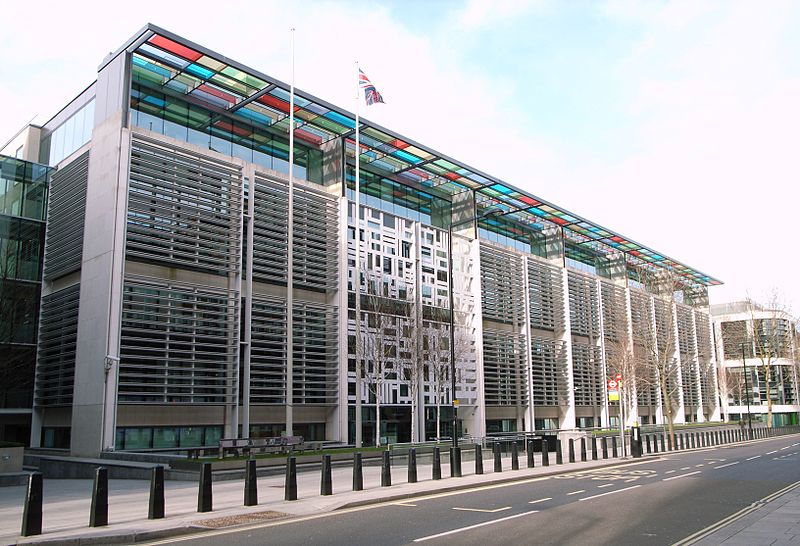
If implemented, the reforms would mark a fundamental shift in how policing is organised in the UK — centralising power to confront national threats while pushing local forces back toward community-level crime. Photo by Steve Cadman, Wikimedia commons.