The UK government has unveiled a landmark anti-corruption strategy aimed at rooting out corrupt insiders and disrupting illicit finance, strengthening national security, and boosting
economic growth.
The new strategy, launched today, sets out measures to block corrupt actors at home and abroad, targeting criminal networks and professional enablers such as lawyers, accountants, and bankers who facilitate the flow of dirty money.
A major expansion of the Domestic Corruption Unit (DCU) within the City of London Police will form the backbone of enforcement. Backed by £15 million in new funding, the unit will increase investigations and support local forces in tackling bribery and money laundering nationwide. The move builds on probes this year into corruption in local councils, housing, and financial services.
The strategy also strengthens safeguards across the public sector. Robust vetting will prevent individuals with a history of corruption from moving undetected between police, prison, and border services. New integrity checks for recruits in Border Force and Immigration Enforcement will require disclosure of past convictions, blocking candidates linked to criminal activity from frontline roles.
The government is also committing an additional £110 million annually from the Economic Crime Levy, bringing total funding for tackling economic crime to £235 million per year. Officials say the investment will create safer streets and make the UK a more secure place for legitimate business.
Deputy Prime Minister David Lammy said: “Corruption bleeds countries dry, fuels conflict like Putin’s brutal war in Ukraine, and spreads across borders like a stain.
We will lead internationally, bringing partners together to close the gaps exploited by kleptocrats and organised criminals.
Closer to home, we are boosting enforcement, rooting out the minority of corrupt actors in our public forces and reforming our courts to tackle complex economic crime. Our message is clear: the United Kingdom will not tolerate corruption – now or ever”.
Security Minister Dan Jarvis added: “Corruption threatens our national security, undermines legitimate business and steals money from working people’s pockets.
Our landmark strategy will take on the rogue actors and insiders who often exploit their positions of power and manipulate the public purse for personal gain.
We will ensure the UK is a world leader in the fight against corruption, by ramping up policing efforts and introducing stronger safeguards to stop criminals infiltrating our institutions”.
The strategy responds to figures from the National Crime Agency, which estimates that over £100 billion could be laundered through the UK annually. UK businesses also faced 117,000 bribe offers domestically last year, valued at more than £300 million.
To tackle corruption, the government will improve reporting routes, including whistleblowing, and offer financial incentives for reporting misconduct. The UK’s anti-money laundering supervision system will be reformed, consolidating oversight bodies for more consistent enforcement.
A major illicit finance summit is planned for next year to coordinate international action against criminal networks, while Baroness Hodge, the Anti-Corruption Champion, will lead a review into asset ownership in the UK to track dirty money flows and enhance transparency.
Anti-Corruption Champion, Baroness Hodge said: “Tackling corruption in all its guises is vital for Britain to be a trusted and fair jurisdiction able to pursue sustained economic growth.
This strategy will toughen the UK’s defences against dirty money and better equip us to go after those profiting from corruption and criminality. Our job now is to get on and implement it”.
City of London Police Commissioner, Pete O’Doherty said: “The human impact and consequence of corruption is significant. Corruption and economic security are intrinsically linked, and tackling it is difficult, but failing to do so undermines resilience and threatens long-term stability.
Corruption is a hidden crime that impacts all of us and undermines the very essence of British and policing values.
The collaborative approach of the anti-corruption strategy and development of the Domestic Corruption Unit represents a significant opportunity for us to work together to tackle this harmful crime.
The Domestic Corruption Unit is committed to working with public and private sectors to pursue and disrupt those that seek to do us harm”.
Director of the Serious Fraud Office, Nick Ephgrave QPM, said: “Corruption undermines our economy, our security and ultimately damages lives. Through our commitments to increase the speed of our investigations, to work ever more closely with international partners and to strengthen incentives for self-reporting, the SFO is determined to make the UK a hostile environment for corrupt practices.
I have been clear and consistent in championing the use of incentivisation to encourage whistle blowers to identify corruption and, with their insight and knowledge, transform economic crime investigations. I am therefore delighted to acknowledge the government’s commitment to considering this”.
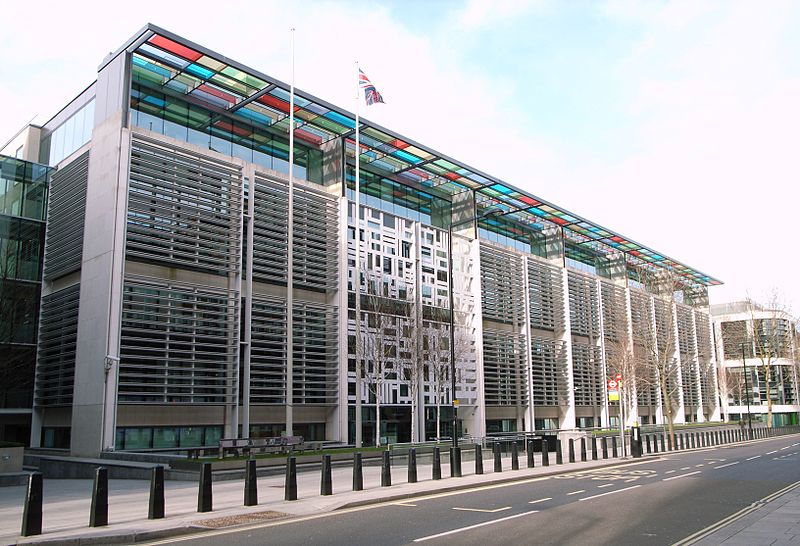
The strategy includes over 100 commitments across government and law enforcement, aiming to restore public trust, protect political financing, and ensure that the UK remains a safe, transparent, and fair environment for business. Its delivery will be overseen by the Home Office, Foreign, Commonwealth and Development Office, and HM Treasury, with a launch event held at Mansion House today. Photo by Steve Cadman, Wikimedia commons.