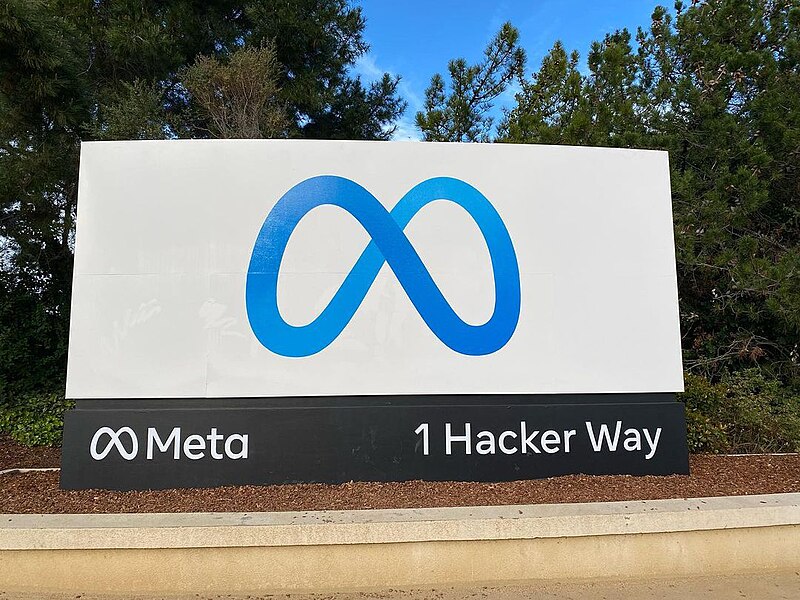
Meta has blocked more than half a million social media accounts in the opening days of Australia’s sweeping new law banning children under 16 from using major
platforms, marking the first major test of what is now the world’s strictest youth social media policy.
The legislation, which came into force in December, requires platforms such as Instagram, Facebook and Threads to prevent Australians under the age of 16 from holding accounts. Supporters of the law say it is a necessary intervention to protect children from harmful content, addictive algorithms and online exploitation.
According to Meta, around 550,000 accounts were disabled in the first week alone. That included 330,639 accounts on Instagram, 173,497 on Facebook and 39,916 on Threads, as the company rushed to comply with the new requirements.
Australia’s move is being closely watched by governments around the world, many of which are grappling with how to regulate children’s online activity. While jurisdictions such as Florida in the United States and the European Union have experimented with limits on youth social media use, Australia stands apart for setting the minimum age at 16 and refusing to allow parental consent as an exemption.
Meta says it agrees more needs to be done to protect young people online, but continues to argue that outright bans are not the best solution. In a blog post, the company urged the Australian government to work more closely with industry.
“We call on the Australian government to engage with industry constructively to find a better way forward,” Meta said, suggesting incentives for platforms to create safer, age-appropriate experiences rather than imposing blanket prohibitions.
The tech giant has also renewed its push for age verification to be handled at the app-store level, arguing that this would create consistent protections across the industry while reducing the compliance burden on individual platforms. Meta warned that without a coordinated approach, young users may simply migrate to newer or less regulated apps to bypass the ban.
Despite these concerns, the policy has proven extremely popular with Australian parents and has attracted international political attention. In the UK, the Conservative Party has pledged to introduce a similar ban if it returns to power, highlighting the global momentum behind tougher regulation.
Still, critics say the law is far from foolproof. Some experts argue that tech-savvy teenagers can easily circumvent age-verification systems, while others warn the ban may push young people toward less safe corners of the internet.
Mental health advocates and children themselves have also voiced concerns, saying the policy could cut off vital online communities. Critics warn it may disproportionately affect LGBTQ+ youth, neurodivergent children and those in rural areas who rely on social media for connection and support.
As Australia presses ahead with enforcement, the debate over how best to protect children online — without isolating them — is likely to intensify, both at home and abroad. Photo by Nokia621, Wikimedia commons.