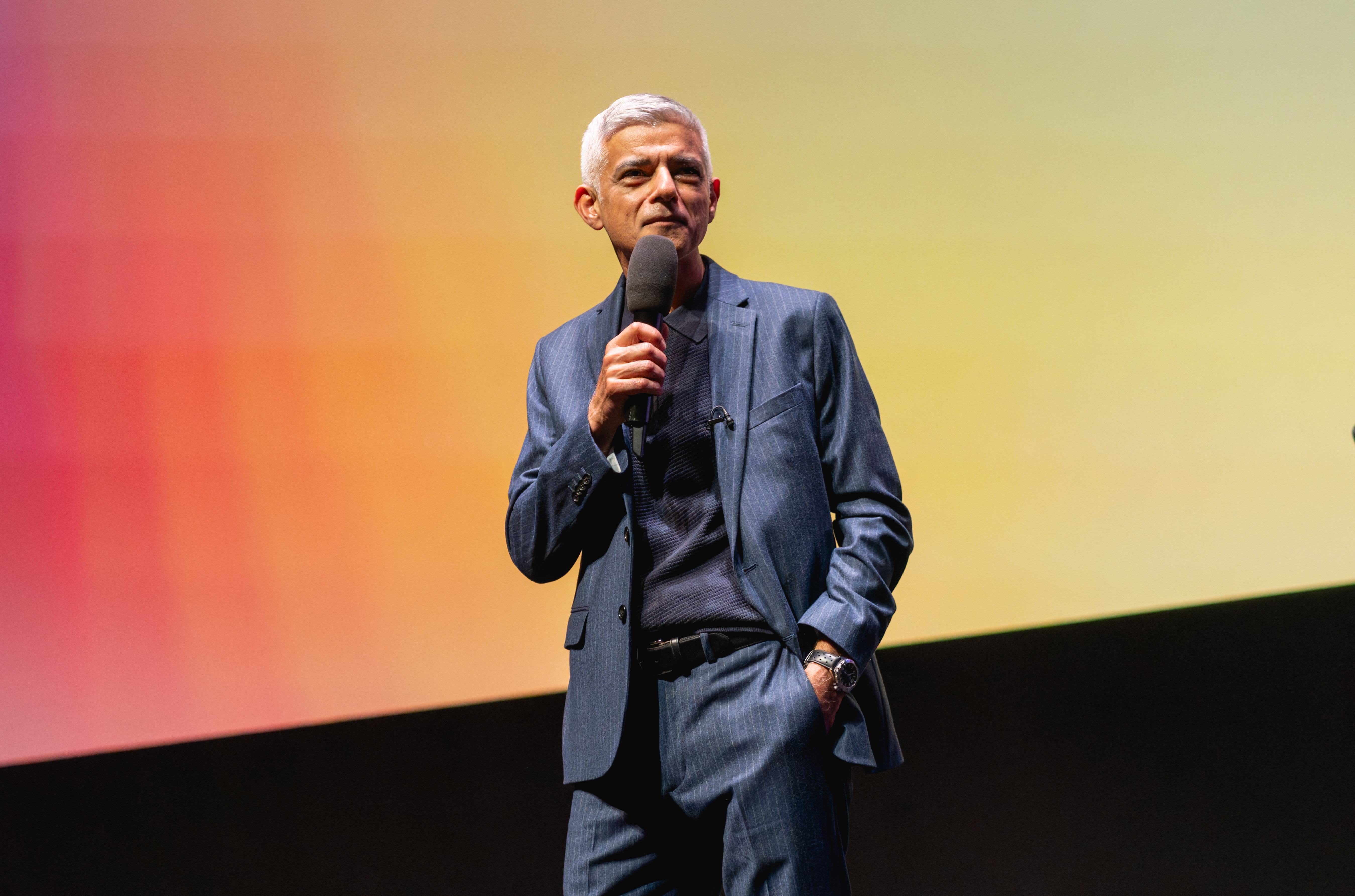
London could face climate-related economic losses of up to £36 billion a year by the 2050s unless the capital moves faster to prepare for rising temperatures and more frequent extreme
weather, according to a major new report commissioned by the Mayor of London.
The Heat Ready London Technical Report, published jointly by the Mayor and London Councils, sets out the evidence behind Heat Ready London, the capital’s first city-wide strategy for adapting to extreme heat. The plan was unveiled by Mayor Sadiq Khan in June.
The report paints a stark picture of the economic and human consequences of a warming city. Without further adaptation, climate-related damage could reach the equivalent of 3 per cent of London’s economy each year by the 2050s.
Depending on how the capital’s economy develops, the annual cost is estimated at between £16 billion and £36 billion.
The figure does not represent a single future bill for London taxpayers. Instead, it captures the potential combined economic impact of climate change, including falling productivity, disruption to businesses and public services, additional pressure on health and emergency services, and damage to critical infrastructure.
Evidence from recent heatwaves suggests that some of those costs are already being felt.
During the extreme heat of 2022, railway tracks buckled, forcing operators to impose speed restrictions and cancel services. Two data centres at Guy’s and St Thomas’ hospitals also failed, disrupting patient care and generating £1.4 million in unexpected costs. Meanwhile, London’s water consumption surged by around 50 per cent.
The economic toll of high temperatures is already significant. Reduced productivity caused by heat is estimated to cost London £577 million every year. It accounted for almost 90 per cent of the estimated £1.5 billion economic cost associated with the capital’s three major heatwaves in 2022.
The latest warning comes after another exceptionally hot summer. London broke temperature records in May, June and August and had experienced its fifth official heatwave of 2026 by the middle of August.
Preliminary analysis by the UK Health Security Agency indicates that 2,877 heat-associated deaths were recorded across England during May and June 2026 alone, underlining the growing public-health risks posed by prolonged periods of high temperatures.
The report also stresses that the greatest danger does not necessarily come during the most dramatic heatwaves. Around 90 per cent of heat-related deaths in London occur when temperatures are between 24°C and 32°C, meaning prolonged periods of moderately high temperatures can be particularly dangerous.
Londoners aged between 45 and 65 are also identified as facing a higher risk of dying during hot weather than people in the same age group nationally.
A city-wide response
Heat Ready London identifies 37 priorities spanning buildings, businesses, emergency preparedness, green spaces, health and social care, and critical infrastructure.
The measures include making homes and public buildings better able to withstand high temperatures, expanding access to shade and drinking water, increasing the availability of cool spaces, and strengthening the resilience of transport, energy, water and communications networks.
The report argues that investment in adaptation now could prevent substantially higher costs later.
London’s parks and green spaces, for example, are estimated to generate more than £90 billion in benefits over a 30-year period. The analysis puts the return at around £27 for every £1 invested, highlighting the economic as well as environmental value of expanding and protecting green infrastructure.
The Mayor and London Councils are now working with boroughs, health and social-care organisations, emergency services, infrastructure operators, businesses, financial institutions and community groups to turn the Heat Ready London priorities into practical measures.
The report's central message is that climate adaptation is no longer a long-term environmental issue for London. With extreme heat already affecting health, transport, public services and productivity, the cost of waiting could become considerably greater than the cost of preparing now.
The Mayor of London, Sadiq Khan, said: “The climate crisis is on our doorstep. It is already threatening Londoners’ lives, disrupting vital services and costing our economy hundreds of millions of pounds.
“When I unveiled Heat Ready London in June, we set out a city-wide vision for protecting Londoners and preparing the capital for a hotter future. This detailed evidence shows why that work is so urgent—and the enormous human and economic cost of failing to act.
“Without further action, climate change could cost London as much as £36 billion a year by the 2050s. We must create cooler homes and buildings, greener and shadier neighbourhoods, and infrastructure that can withstand a hotter climate.
“No organisation can do this alone. I will continue working with boroughs, government, businesses, health services and communities to protect those most at risk and build a safer, greener and more resilient London for everyone."
Mete Coban, Deputy Mayor of London for Environment and Energy, said: “This important report gives us the evidence and clear priorities needed to accelerate action to tackle extreme heat and the impacts of climate change . By adapting the homes and buildings most at risk, creating greener and shadier neighbourhoods and strengthening vital infrastructure, we can protect vulnerable Londoners, reduce inequalities and avoid far greater costs in the future.
“Delivering this will require sustained investment and close collaboration across government, boroughs, businesses and communities. Heat Ready London provides the city-wide framework to bring that work together and build a fairer, greener and more resilient capital for everyone.”
Professor Emma Howard Boyd CBE, Chair, National Heat Risk Commission and former Chair of the London Climate Resilience Review said: “This report puts a number on inaction: climate-related damage could cost London up to £36 billion a year by the 2050s, driven by temperatures that are anything but normal. To put that into context, that is more than double the estimated £16 billion annual cost of reaching net zero across the whole of the UK.
“I welcome the Mayor’s leadership in getting ahead of climate impacts rather than simply reacting to them. Heat Ready London builds on the London Climate Resilience Review, turning evidence into action. But delivering it at the pace these health, economic and national-security risks demand means giving mayors statutory climate-resilience duties and funding that matches their growing powers—reaching the communities at greatest risk first.”
London Councils Executive Member for Transport and Environment, Cllr Paul Osborn, said: "We have faced one of London's hottest and driest summers on record this year, and every Londoner has felt its impact. This report makes clear that we're at a pivotal moment – our city's infrastructure must adapt to a changing climate, and that means collective, coordinated action and greater investment.
"Whether it's providing cool spaces or stepping in to keep our most vulnerable residents safe whenever the heat hits, boroughs are proud to be Heat Ready London partners, working to make sure our city's infrastructure is ready for what's ahead."
Dr Tom Coffey OBE, Mayoral Health Adviser and London GP, said: “Today’s publication of the Heat Ready London Technical Report is an important step by the Mayor of London towards protecting the health of Londoners as the capital continues to face high temperatures.
We know that heat is one of the fastest growing risks to Londoners’ health – and while all Londoners are impacted, the burden falls heavily on those often least able to adapt including older people, young children and Londoners with existing physical or mental health conditions. This report sets out how by working together with our partners including Local Authorities, the NHS, emergency responders and community groups we can turn the Heat Ready London vision into action and protect Londoners’ health into the future.”
Lilli Matson, Chief Safety, Health and Environment Officer at TfL, said: “With multiple heatwaves this summer, the importance of preparing for extreme weather conditions has never been more apparent. We are working with agencies across London and beyond to develop a coordinated approach and manage the adverse impact of higher temperatures on our network, from track and road surface resilience to customer comfort and staff welfare.
"We’re already taking action to make London’s transport network more resilient, including the upcoming introduction of new air-conditioned trains on the Piccadilly line and DLR and the introduction of new air-conditioned buses. This builds on air-conditioned Tube trains covering 40 per cent of the network and every Elizabeth line and London Overground train being air conditioned.
“With more frequent and intense heatwaves likely in the future, it is vital that we help London become a more climate-resilient city and ensure that the transport network continues to operate safely and reliably.”
John Dickie, Chief Executive at BusinessLDN, said: “This new research underscores the vital role that investment in climate resilience plays in supporting London’s economy. Rising temperatures affect businesses in a range of ways – such as disruption to travel services, reduced customer footfall or staff being unable to work effectively. It’s really positive to see the Mayor leading coordinated action to mitigate these effects and keep London growing.”
Francis Heil, Associate Director in Climate Change & Resilience at AtkinsRéalis, said: “We’re currently living through the hottest summer since records began. Heat Ready London has been driven both by the extreme temperatures experienced this summer and in recent years, and by the recognition that London remains insufficiently prepared for this type of heat. It contains a set of clear actions that can build resilience and deal with heat more effectively. The evidence suggests that investing now reduces long-term costs in terms of impacts on health, productivity, infrastructure, and the environment. It also saves lives and creates opportunities for innovation and green British jobs along the way.
“It’s a really positive step to see the launch of the Technical Report that we have helped develop, working alongside the Greater London Authority, London Councils and stakeholders across London.
“Heat risk is a challenge for a globally important city like London, but we have the data, the tools, and the economic case to act.” Photo by Raph_PH, Wikimedia commons