The UK government has announced £7.3 million in funding for eight projects developing hydrogen-powered and electric aircraft technologies, as ministers seek to speed up the transition
to zero-emission aviation while supporting jobs and economic growth.
The investment, announced on Thursday by the Department for Transport, forms part of a wider £43 million package for next-generation aviation technology. It will fund research and airport infrastructure needed to support hydrogen and battery-powered aircraft, including charging systems for electric planes and hydrogen storage facilities.
Among the successful projects are initiatives involving Beta Technologies and Vertical Aerospace, which have been awarded up to £3.2 million to demonstrate how electric aircraft, including future air taxi services, could operate safely alongside conventional commercial flights at UK airports.
The government said the aerospace and aviation industry contributes around £20 billion annually to the UK economy, with the latest funding intended to help the sector meet the country's target of reaching net zero carbon emissions by 2050 while safeguarding thousands of high-skilled jobs.
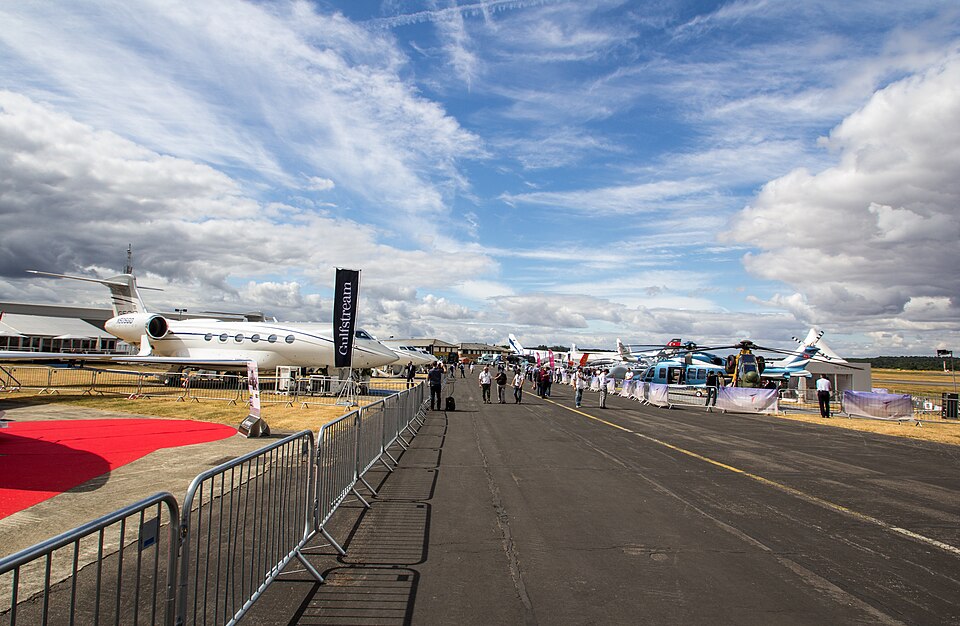
The announcement follows recent demonstrations by Vertical Aerospace at the Farnborough International Airshow, where the company unveiled its six-seat electric aircraft and announced a new UK manufacturing contract. The company aims to begin passenger services by 2029.
Alongside the funding, new research commissioned by the government and carried out by the University of Birmingham concluded that electric air taxis could improve regional connectivity, stimulate economic growth and contribute to cleaner air travel across the UK.
The investment builds on a series of recent government initiatives designed to support emerging aviation technologies. In May, ministers announced £46.5 million to accelerate the use of drones and electric aircraft, including medical deliveries, commercial drone services and policing applications. Amazon has already begun delivery drone trials in Darlington.
Transport Secretary Heidi Alexander said the funding would help bring "the flights of the future" closer to reality while creating skilled jobs and supporting British aerospace companies.
"The next generation of flight is taking off in the UK," she said. "We're working hand in hand with industry to cut emissions, drive innovation, and ensure the UK remains one of the best places in the world to build, test and fly the aircraft of tomorrow."
The announcement comes as the aviation industry increases efforts to decarbonise. Earlier this week, members of the government's Jet Zero Taskforce met at the Farnborough International Airshow to discuss technologies aimed at reducing emissions, supported by a £2.3 billion commitment over the next decade to the Aerospace Technology Institute Programme.
The Civil Aviation Authority has also published new findings from its government-funded Hydrogen Challenge programme, which examined how hydrogen could be introduced safely as an aviation fuel. Supported by £1.9 million in public funding, the programme involved companies including Rolls-Royce, easyJet and Exeter Airport.
A further £2.5 million will be invested before March 2027 to support projects using hydrogen to power airport ground vehicles, reduce emissions from airport operations and test hydrogen-powered jet engines suitable for commercial aircraft.
The latest funding follows last month's announcement of a £219 million low-carbon fuels fund, which aims to expand sustainable aviation fuel production, support an estimated 15,000 jobs and contribute £5 billion to the UK economy by 2050. Photo by Steve Lynes from Sandshurst, United Kingdom, Wikimedia commons.