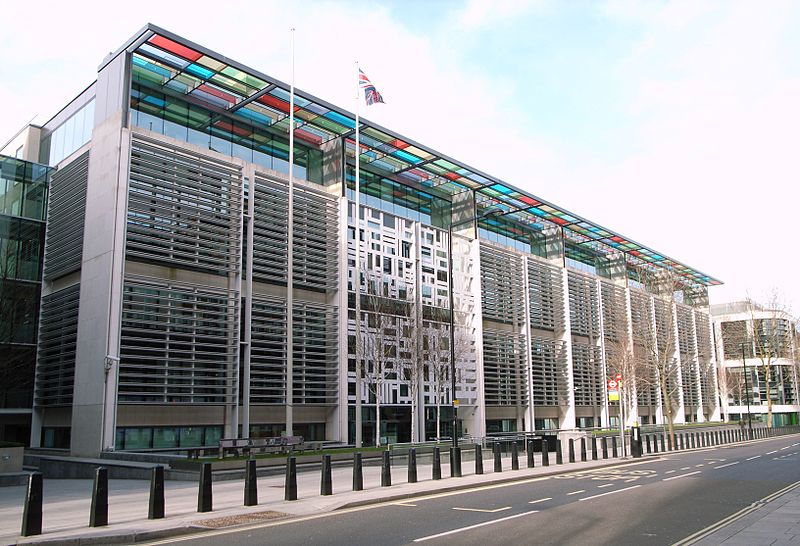
The Home Office has spent almost £700,000 fighting a legal challenge brought by the co-founder of Palestine Action over the government’s decision to proscribe
the group under anti-terrorism laws, newly released data reveals.
Huda Ammori, a co-founder of Palestine Action, is challenging the ban in the High Court, arguing that the government’s move represents an unprecedented use of counter-terror legislation against a protest group. A judgment in the case is expected imminently.
Freedom of information figures shared with ‘The Independent’ show that the Home Office has been billed £694,390.03 (excluding VAT) for legal work related to the case. The costs include fees for the Government Legal Department, external counsel and court expenses.
Since the proscription came into force in early July last year, supporting Palestine Action has become a criminal offence, with membership or expressions of support carrying potential sentences of up to 14 years in prison. Thousands of people have since been arrested for holding placards or signs referencing the group, prompting widespread criticism from civil liberties organisations.
While substantial, the legal costs are overshadowed by the expense of policing protests linked to the ban. The Metropolitan Police told the London Assembly in October that enforcing the proscription had already cost £3.6 million, a figure believed to have risen significantly in the months since.
Lawyers acting for Ms Ammori told the High Court that the decision by then home secretary Yvette Cooper to ban Palestine Action was “novel and unprecedented”. Raza Hussain KC described the organisation as a “direct action civil disobedience group” that does not promote violence.
He argued that incidents involving serious damage to property or harm to individuals were “rare” and not representative of the group’s activities. Government figures show 1,630 arrests linked to support for Palestine Action in the year to September 2025, though campaigners estimate the true number could be as high as 2,787.
The group was proscribed following an incident in June last year, when activists broke into RAF Brize Norton and sprayed military aircraft with red paint. Ms Cooper also cited earlier protests, including action at a weapons factory in Glasgow in 2022 and demonstrations targeting Elbit Systems UK in Bristol.
The decision to impose the ban followed a period of hesitation within the Home Office. Ms Cooper initially approved the proscription in May, paused the process to seek further information, and then confirmed the ban on 20 June.
Campaign group Defend Our Juries, which has organised protests against the proscription, said the public was being forced to absorb unnecessary costs. A spokesperson said the crackdown was “politically driven” and designed to protect companies identified by the UN as profiting from Israel’s military actions.
Human rights organisations have also raised serious concerns. Yasmine Ahmed, UK director of Human Rights Watch, said the scale of spending highlighted the government’s determination to suppress criticism of Israel.
“The use of counter-terrorism powers against Palestine Action is a grave abuse of state power,” she said, warning that the move was part of a broader effort to restrict protest rights.
Akiko Hart, director of Liberty, said the case could have far-reaching consequences for civil liberties in the UK. She described the proscription as “disproportionate” and said it had created a chilling effect, leaving people unsure where lawful protest ends and criminality begins.
The controversy intensified this week after Catriona Roberts, 23, appeared in court on terrorism charges accused of holding a placard referencing Palestine Action at St Giles’ Cathedral in Edinburgh. Prosecutors allege the sign was displayed in a way that could reasonably suggest support for a proscribed organisation.
As the High Court prepares to rule, the case has become a defining test of how far the UK government can go in using terrorism legislation against protest movements — and at what cost to public funds and civil liberties.