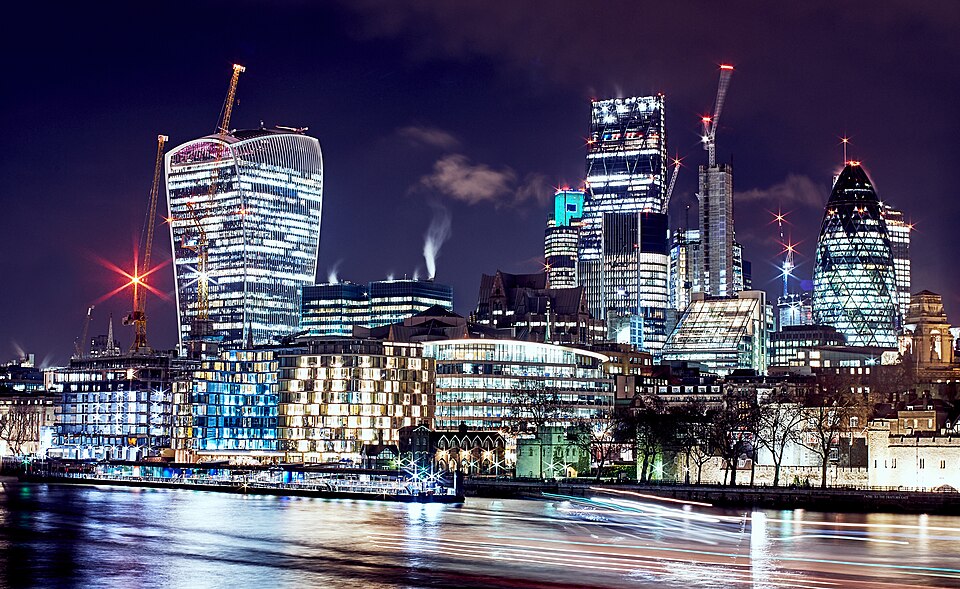
London’s nightlife could be on the brink of a major reset after the publication of a landmark new report setting out how the capital can protect, support and grow its night-time economy.
Welcomed today by Mayor of London Sadiq Khan, the report has been produced by the capital’s independent, industry-led Nightlife Taskforce and is being described as the most comprehensive, evidence-based assessment of London’s nightlife ever undertaken.
Drawing on new research, data analysis and the views of nearly 3,000 Londoners, the Taskforce outlines 23 recommendations across 10 key areas designed to future-proof nightlife in the city. Together, they form a practical roadmap for keeping London vibrant, competitive and culturally rich after dark.
At the heart of the report is a call for a new, London-wide licensing standard. The Taskforce argues that the current patchwork of licensing and planning rules has become outdated, inconsistent and a significant burden for businesses. A single, modernised standard would simplify applications, bring greater clarity across boroughs and better reflect the economic, social and cultural value of nightlife.
The timing is significant. Later this year, the Mayor is set to receive new licensing powers from the Government, allowing him to “call in” applications of strategic importance, such as those affecting key nightlife venues and proposals to expand al fresco dining across the city.
The report also underlines just how vital nightlife is to London’s success. The night-time economy contributes more than £139 billion to the capital each year, supports over one million workers and plays a crucial role in tourism and local high streets. Far from being limited to clubs and bars, nightlife now encompasses a broad mix of cultural, social and community activity taking place between 6pm and 6am, helping Londoners feel connected to their neighbourhoods.
To ensure the recommendations are delivered, the Taskforce is calling for the creation of a new, independent Nightlife Commission. The Mayor has confirmed £300,000 in grant funding from the UK Shared Prosperity Fund to help establish the body as a self-funded, industry-led organisation. Launching later this year, the Commission will represent nightlife workers and businesses and work closely with City Hall, councils and the police to champion the sector.
Among the other key proposals in the report are calls to formally recognise nightlife as culture, widening access to national arts and cultural funding; targeted support for small nightlife businesses, including business rates relief and a reduced VAT rate; and the creation of a Nightlife Future Fund to back innovative projects, particularly those led by underrepresented communities.
The Taskforce also wants to make it easier for nightlife to find space in the city, recommending a simplified process for temporary venues and a central database of vacant properties that could host night-time activity. Improving night-time infrastructure, rethinking how high streets are used after 6pm and better aligning transport services with changing demand are all seen as essential steps towards a truly 24-hour city.
Sound and safety are also central themes. The report urges greater use of noise-monitoring technology, stronger “Agent of Change” protections for venues, and reforms to noise complaint rules. It also calls for a more joined-up approach to safer nights, including reviews of policing and licensing practices and a greater focus on harm reduction and early intervention.
The Nightlife Taskforce was established by the Mayor in February 2025 in response to mounting pressures on the sector. Rising costs, staffing shortages, changing consumer habits and long-standing licensing issues have all taken their toll on venues in London and beyond.
Despite those challenges, the Mayor has signalled his determination to help the capital thrive after dark, working with industry and local partners to ensure London’s nightlife remains one of the city’s defining strengths for years to come.
The Mayor of London, Sadiq Khan, said: “London’s independent Nightlife Taskforce has put together the most detailed picture we’ve ever had of the challenges and opportunities facing our capital at night. Our night time economy supports more than a million jobs, contributes more than £139bn to our economy and brings communities together, but action is needed to ensure that it can be a thriving part of life in our city for many years to come. The taskforce’s recommendations set out a bold future for our life at night and I’m committed to working with partners to do all I can to support this. This includes receiving new licensing powers from the Government soon that will help us to unlock the potential of our capital’s nightlife, as we build a better London for everyone.”
Cameron Leslie, Co-founder and Director, fabric, and Chair of the Nightlife Taskforce said: “Nightlife is not a problem to be managed - it’s a vital part of how London expresses itself. This report sets out a clear vision for a city that works after dark: safer, more inclusive, better connected and more sustainable, while protecting the creativity that makes London globally unique. London’s nightlife matters to our economy, our culture and our communities - and this work shows how we can support it for the long term.”
Deputy Mayor for Culture and the Creative Industries, Justine Simons OBE, said: “London’s nightlife is where culture is made, communities are formed and new ideas take root. The Nightlife Taskforce’s report recognises that nightlife is culture and that it needs long-term support and change to help it thrive. By working together we can better support grassroots venues, artists, workers and communities, and ensure that London remains one of the world’s greatest cities after dark.”
Alice Hoffmann-Fuller, Taskforce member and Nightlife Community Support Consultant, said: “It has been a privilege to contribute to this groundbreaking research and help shape meaningful plans for the growth of London’s unique nightlife culture. Seeing such diverse communities unite to support one another and develop strategies for a thriving sector fills me with hope and optimism. I'm so proud of our inclusive and cultured city and its engaged, active nightlife providers and communities. Thank you for your vital contribution to this report! This spirit of collaboration is the key to overcoming recent challenges. Our next, most important step is to turn these insights into action - implementing solutions that deliver positive change through our collective strength.”
Kate Nicholls, Taskforce member and Chair of UKHospitality, said: "London's nightlife is recognised as one of the best in the world and is a huge draw for visitors, both from within the UK and abroad. These recommendations can help bolster and grow our nighttime economy and we're particularly keen to see a London-wide licensing standard introduced to bring much-needed consistency across the capital. We're encouraged to see the Mayor provide funding to help establish a dedicated Nightlife Commission to champion these recommendations, and we look forward to working closely with the Mayor and his team on this important work."
Sam Spencer, Taskforce member and Director of Live Operations for Broadwick Live , said: “London’s nightlife is one of the city’s greatest cultural, civic and economic assets, but it’s operating under systems that no longer reflect how the city actually works at night. I’ve spent my life in these spaces, both working in them and being shaped by them, from youth centres and grassroots venues to large-scale cultural spaces, and when policy doesn’t keep up, it’s workers, venues and communities who carry the consequences. What this Taskforce has done is move beyond celebrating nightlife and start setting a plan on how we can support it properly setting out practical, evidence-led reforms across licensing, planning, policing, health and transport. It’s independent, industry-led and rooted in lived experience of London's nightlife. These recommendations provide a clear, credible route to support nightlife properly for the long term.”
Nathaneal Williams, Taskforce member and Founder of Colour Factory, said: “This report should be taken seriously. It brings together a diverse group of voices from across London’s nightlife and cultural industries, reflecting the breadth of experiences that shape the city and the lives of Londoners from all walks of life. That diversity is its strength. The work marks the beginning of a new era in how nightlife is understood as culture, and it invites a reimagining of how the city approaches, supports, and values nightlife going forward.” Photo by Gordon Williams artifactflash, Wikimedia commons.