Simplified regulations and tighter sludge controls designed to protect water quality and support sustainable food production
The government has unveiled a major shake-up of farming and water pollution rules, promising stronger protections for rivers while making regulations simpler and clearer for farmers to follow.
Under proposals published on Tuesday (27 January), ministers say streamlined agricultural rules will reduce duplication, cut pollution and give farmers greater confidence to produce food sustainably.
Agricultural activity currently affects around 41% of England’s rivers, lakes and streams, according to official figures. The new measures aim to reverse that damage by strengthening oversight of sewage sludge spreading on farmland and simplifying existing water regulations that many farmers say are overly complex.
A public consultation launched today sets out plans to tighten controls on the use of sewage sludge, including an option to bring sludge regulation under the Environmental Permitting Regulations. The move is designed to better protect human health and the environment from harmful contaminants, while still allowing sludge to be recycled safely where appropriate.
Alongside tougher safeguards, the government plans to simplify agricultural water rules by removing unnecessary duplication and complexity. Officials say this will make it easier for farmers to understand their responsibilities and comply with the law, while maintaining high environmental standards.
The reforms form part of the government’s wider Environmental Improvement Plan, its commitment to reduce ammonia emissions from farming, and the forthcoming Water White Paper, which will set out a major overhaul of how England’s water system is regulated and managed.
The plans were discussed at a roundtable event attended by farming, water and environmental groups, hosted by Water Minister Emma Hardy and Farming Minister Angela Eagle, as part of the government’s programme to transform Britain’s water system.
Water Minister Emma Hardy said: “By setting clearer guidelines and providing better support, we’re making it simpler for farmers to meet standards, farm sustainably and protect our environment’.
Jennie Donovan, Environment Agency Director, Nature and Place, said: “We support government’s plans to strengthen the regulation of sludge use, with our preferred option being to move it into Environmental Permitting Regulations. Our aim is to ensure that sewage sludge can be recycled to agricultural land in a safe and sustainable way.
These proposed changes will reduce risks to human health and tighten environmental protections. We will continue to work closely with the water industry, farmers and partner organisations to support this regulatory reform”.
She added that the changes would reduce risks to human health and strengthen environmental protections, while ensuring continued collaboration with farmers, the water industry and partner organisations.
The government stressed that its approach to tackling agricultural water pollution is based on advice, partnership and targeted enforcement, rather than punishment. Funding has already been announced to double the number of advice-led farm inspections, with at least 6,000 inspections a year planned by 2029.
The simplified regulatory framework will be supported by Environmental Land Management schemes, the Catchment Sensitive Farming advice programme, and targeted infrastructure grants. Together, these measures are intended to help farm businesses cut pollution, protect watercourses and improve their long-term resilience.
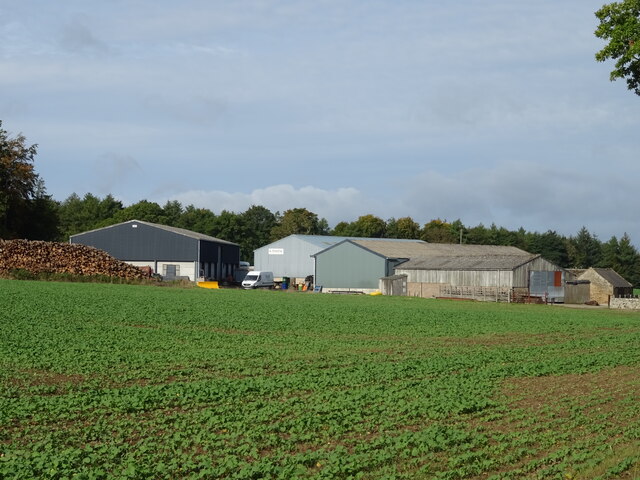
The proposals build on work launched at a ministerial roundtable last summer, which led to the creation of the Addressing Pollution from Agriculture programme. That initiative brings together government, farmers and environmental groups to drive long-term reform of agricultural water regulations. Photo by Farm buildings, Park End Farm by JThomas, Wikimedia commons.