Electric vehicle drivers will be required to pay London’s Congestion Charge from 2026 after the Mayor confirmed plans to end their long-standing exemption.
Sadiq Khan said electric cars will no longer qualify for the Cleaner Vehicle Discount as part of efforts to reduce traffic levels in central London. The changes will take effect from January 2, with Transport for London (TfL) outlining a new, reduced-discount system for electric vehicles.
From that date, drivers of electric cars will receive a 25% discount on the Congestion Charge, while electric vans and lorries will qualify for a 50% reduction. This means electric car drivers will pay £13.50 to enter the zone, with electric van owners charged £9.
The discounts will be gradually scaled back. By March 2030, reductions will fall to 12.5% for electric cars and 25% for electric vans and lorries.
At the same time, the standard Congestion Charge for non-electric vehicles will rise from £15 to £18 on January 2, marking the first increase since 2020.
Residents living within the Congestion Charge zone will continue to receive discounts of up to 90%, although anyone moving into the area after March 1, 2027, will only qualify if they own an electric vehicle. Support of up to 100% will remain in place for low-income and disabled Londoners.
Mr Khan said the changes were necessary to keep congestion under control. He warned that without reform, an estimated 2,200 additional vehicles would enter the charging zone on an average weekday next year.
“Keeping London moving by reducing congestion is vital for our city and our economy,” he said. “While the congestion charge has been a huge success, we must ensure it remains fit for purpose as we work towards a greener and better London for everyone.”
Christina Calderato, TfL’s Director of Strategy, said the updated scheme would help balance the needs of drivers and businesses while encouraging a shift towards cleaner and more sustainable transport.
Climate charity Possible also welcomed the move, saying linking the Congestion Charge to public transport fares would help ensure driving does not become disproportionately cheaper than using buses and trains.
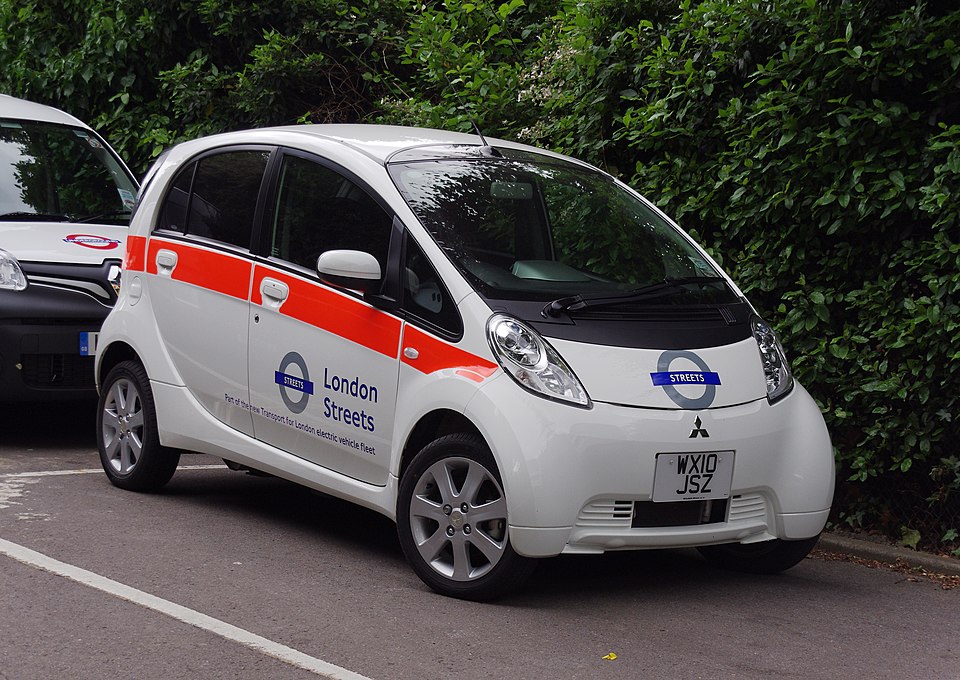
The changes form part of a wider push by City Hall to cut traffic, improve air quality and encourage Londoners to switch to public transport, walking and cycling. Photo by mattbuck, Wikimedia commons.