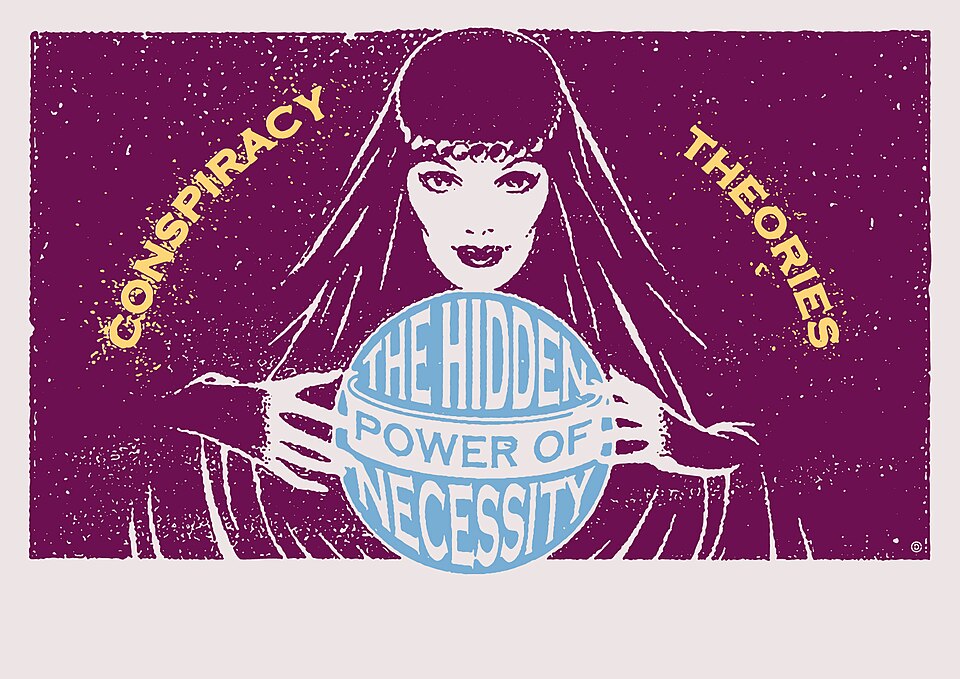
A major cross-European research project has found that conspiracy theories are spreading not because of a single catalyst, but through a constant feedback loop
linking media coverage, political messaging, protest movements and social-media algorithms.
The REDACT project, led by 14 researchers from across the continent, examined how conspiracy narratives form and evolve in the UK, German-speaking regions, the Balkans, the Baltics, Slovakia and Poland. Their central finding: conspiracy theories adapt to the political culture, history and social tensions of each region — and therefore require responses tailored to national contexts rather than imported from abroad.
Across the case studies, researchers observed a reinforcing cycle that helps fringe ideas gain traction. Attempts by politicians or news outlets to debunk conspiracy claims can inadvertently fuel their spread by boosting their visibility online. As these narratives circulate more widely, the line between marginal online communities and mainstream political discourse becomes increasingly blurred. Variations of the “Great Replacement” conspiracy, now echoed in different forms across Europe, illustrate how fringe rhetoric can shape national debates.
The study also shows how conspiracy theories morph to fit local anxieties. In the UK, fears surrounding pandemic restrictions mutated into claims about so-called “15-minute cities.” In German-speaking countries, the social stigma attached to conspiracism has pushed much of it deeper into digital spaces. In the Baltics and the Balkans, memories of occupation, conflict and state surveillance have fostered deep mistrust of elites, giving conspiracies a powerful emotional foothold. Meanwhile, in Poland and Slovakia, gender and LGBTQ+ rights frequently become targets — often amplified by culture-war narratives from the United States.
Researchers warn that efforts to curb disinformation remain patchy and often unevaluated. Some fact-checking organisations and NGOs even become the subject of conspiracy theories themselves, undermining their credibility and threatening funding. Still, the reports argue that media literacy, targeted debunking and localised fact-checking can be effective when designed with national contexts in mind.
In the UK, the REDACT team says the Online Safety Act falls short of what is needed. Unlike the EU’s Digital Services Act, it does not directly address health misinformation, election-related falsehoods or risks linked to AI-generated content — leaving significant regulatory gaps.
“Conspiracy thinking is not new, but in recent years, conspiracy theories have become increasingly widespread and normalised, rather than merely on the sidelines of society. Downplaying their impact or dismissing them does not make these theories disappear - it actually allows them to take up all the oxygen on a topic and dominate discussion”,- said Professor Peter Knight, a co-investigator on the project.
The researchers conclude that addressing conspiracy theories will require more than shutting down individual online accounts or groups. Instead, they argue for solutions that tackle the political and social conditions that allow conspiracist narratives to thrive, as well as the business models that reward sensationalism. The focus, they say, must shift from questioning why the public lacks trust to building institutions that genuinely deserve it. Photo by CHRISTOPHER DOMBRES from SETE, France, Wikimedia commons.