Ukraine has accused Hungary and Slovakia of resorting to “blackmail” after both countries threatened to halt electricity supplies unless Kyiv restores the transit of Russian oil through
its territory.
In a sharply worded statement on Saturday, Ukraine’s Foreign Ministry rejected what it called “ultimatums” from its two EU neighbours, saying the pressure was being directed at the wrong target. “Ultimatums should be sent to the Kremlin, not to Kyiv,” the ministry said.
The dispute erupted after Russian oil shipments to Hungary and Slovakia were disrupted on January 27, when Ukraine says a Russian drone strike damaged pipeline infrastructure in western Ukraine. Budapest and Bratislava, however, blame Kyiv for the prolonged shutdown.
Slovakia’s Prime Minister Robert Fico warned that emergency electricity exports to Ukraine could be cut within days if oil flows are not restored. Hungary’s leader Viktor Orbán issued a similar threat earlier in the week.
The standoff has become one of the most bitter rows yet between Ukraine and two neighbours that are members of the European Union and NATO, but whose governments have taken a more conciliatory stance toward Moscow than most of Europe.
Hungary and Slovakia are now the only EU countries still heavily dependent on Russian oil delivered via the Soviet-era Druzhba pipeline, which runs across Ukrainian territory.
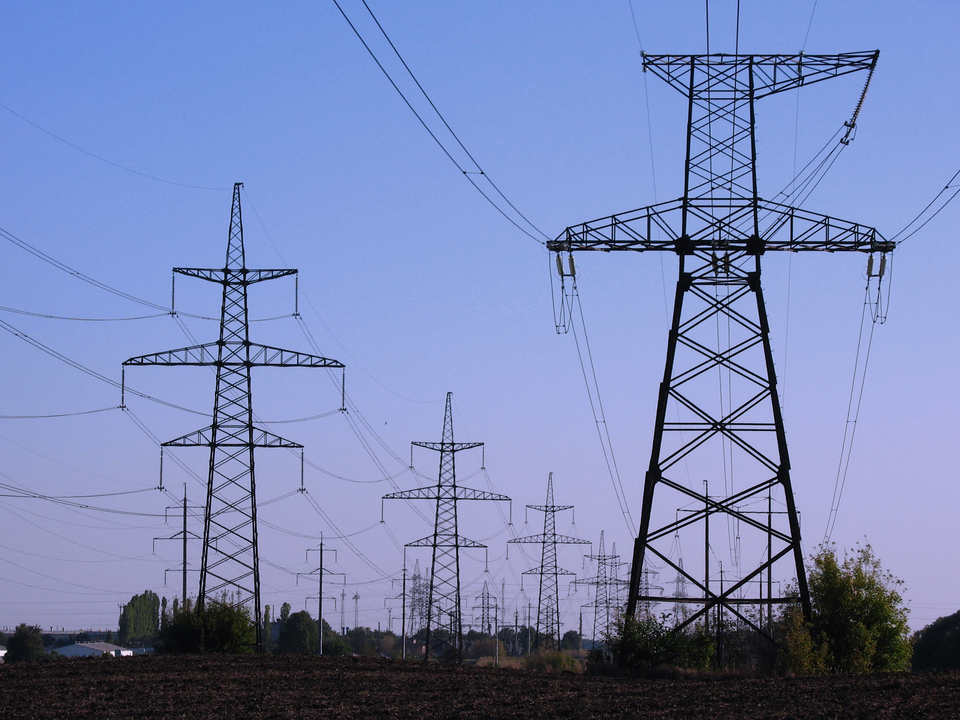
The timing is critical for Kyiv. Together, Hungary and Slovakia account for roughly half of Europe’s emergency electricity exports to Ukraine, power that has become increasingly vital as Russian strikes continue to damage the country’s energy grid.
“If oil supplies to Slovakia are not resumed by Monday, I will ask the state grid operator to stop emergency electricity supplies to Ukraine,” Fico said in a post on X.
Ukraine responded by warning that any such move would be “provocative and irresponsible” and could undermine energy security across the wider region.
Despite the war triggered by Russia’s full-scale invasion nearly four years ago, Ukraine has continued to allow Russian energy to transit its territory to Europe, even as overall volumes have fallen sharply. Kyiv says it has also предложed alternative routes to keep oil moving while repairs are carried out, including maritime options and the Odesa–Brody pipeline linking the Black Sea to EU markets.
The clash comes as Russia intensifies drone and missile attacks on Ukraine’s energy infrastructure. Since last autumn, strikes have knocked out power and heating across the country, leaving millions of Ukrainians enduring long blackouts during the depths of winter. Photo by Novoklimov, Wikimedia commons.